
How Does Modern Style Interior Integrate Earthy Tones for Timeless Appeal
Earthy Tones, Interior Design, Organic Modernism, Sustainable Luxury, Natural Materials
Modern interior design has evolved beyond aesthetics into a philosophy that values authenticity, calmness, and connection with nature. The fusion of earthy tones with modern style interiors creates a balance between minimalism and warmth. Natural materials, sustainable practices, and tactile finishes now define contemporary luxury. This approach reflects a shift from decorative excess to thoughtful restraint—spaces that feel both grounded and timeless. The following sections explore how color psychology, materiality, and spatial composition converge to form the essence of organic modernism.
The Philosophy Behind Modern Style Interiors and Earthy Tones
Modern style interiors today represent more than sleek furniture or neutral walls; they embody an ethos of mindful living and design integrity. This section examines how simplicity merges with natural palettes to create environments that are both functional and emotionally resonant.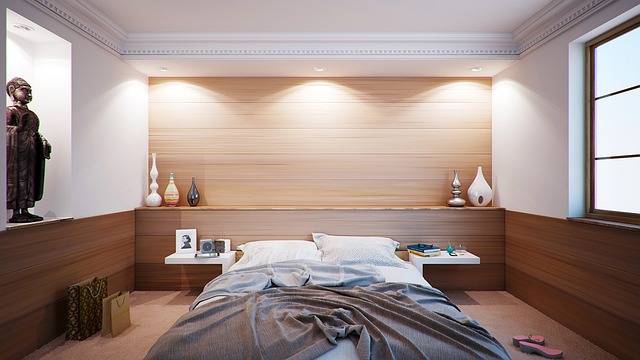
Defining the Modern Style in Contemporary Interior Design
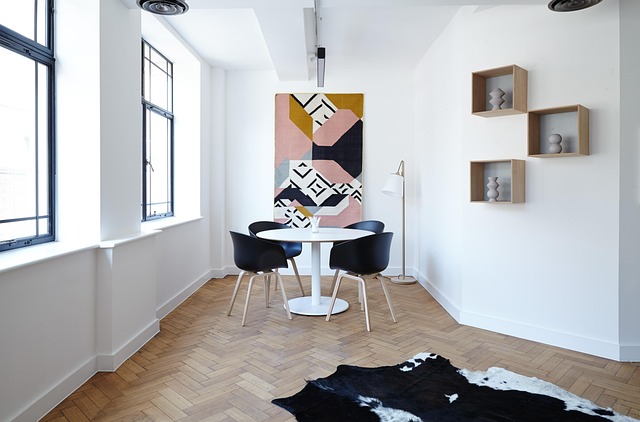
Modern style emphasizes simplicity, functionality, and clean lines. It avoids clutter by using open layouts that encourage movement and light flow. Neutral palettes such as white, gray, and beige establish a calm backdrop where form follows function. Ornamentation is minimal; instead, attention is placed on proportion and texture. In residential projects across Europe and Asia, architects often favor open-plan living areas that integrate kitchen, dining, and lounge zones under one cohesive aesthetic.
The Emergence of Earthy Tones in Modern Aesthetics
Earthy tones have redefined what modern interiors can feel like. Designers use colors inspired by soil, clay, stone, and foliage to reconnect indoor spaces with nature’s rhythm. Warm neutrals like taupe or sand soften sharp architectural lines while maintaining a minimalist spirit. These hues offer psychological comfort—creating serenity without sterility. When paired with matte finishes or handcrafted ceramics, they bring subtle depth to otherwise stark environments.
The Role of Natural Materials in Creating Timeless Interiors
The appeal of modern style interior design lies in its ability to stay relevant over time. Natural materials play a crucial role in achieving this durability by grounding design choices in authenticity rather than trend.
Integrating Organic Textures into Modern Spaces
Wood grains, linen weaves, stone surfaces—each adds tactile richness to modern rooms. Contrasting smooth concrete floors with rough timber beams introduces visual tension that feels deliberate yet effortless. Organic materials also age gracefully; patina on brass or weathered oak tells a story that synthetic finishes cannot replicate. Many designers consider this aging process part of the aesthetic itself—a marker of genuine craftsmanship.
Sustainability as a Design Principle
Sustainability has moved from moral choice to design standard. Responsibly sourced wood certified by organizations such as FSC or recycled stone composites align with global goals for carbon reduction set by agencies like the IEA. Recycled glass tiles or bamboo panels reduce waste while adding character to interiors. More importantly, durable materials extend product lifecycles—supporting long-term value over disposable trends.
Color Theory and the Emotional Impact of Earthy Palettes
Color influences perception more than most architectural elements combined. In modern interiors dominated by minimal forms, earthy palettes bring emotional nuance without overwhelming simplicity.
Psychological Influence of Earth-Derived Hues
Browns evoke stability; ochres suggest warmth; greens bridge indoor life with outdoor calmness. Terracotta tones recall sun-baked landscapes that subconsciously relax occupants. Studies in environmental psychology show muted natural hues lower stress levels compared to saturated artificial colors—a reason they dominate wellness-oriented spaces like spas or boutique hotels.
Balancing Warm and Cool Neutrals in Modern Design
A refined interior balances temperature within its palette. Warm undertones such as camel pair well with cooler grays or slate surfaces to maintain equilibrium across lighting conditions. Layering tonal variations prevents monotony—a beige wall beside charcoal cabinetry feels dynamic when daylight shifts through the day. Lighting strategy therefore becomes integral to how these tones behave spatially.
Spatial Composition: Merging Minimalism with Organic Warmth
The challenge for designers lies in merging minimal geometry with organic tactility without losing coherence. This section explores how form and materiality work together to achieve harmony.
Harmonizing Form, Function, and Materiality
Furniture selection defines the rhythm of modern interiors. Clean silhouettes—think low-profile sofas or slab dining tables—complement organic textures like wool rugs or rattan panels. Functionality drives layout decisions: circulation paths remain clear while maintaining intimacy through grouped seating or layered lighting schemes.
The Role of Architectural Detailing in Earthy Modernism
Architectural detailing reinforces authenticity when executed subtly. Exposed beams reveal structural honesty; matte plaster replaces glossy paint to emphasize texture over reflection. Built-in storage keeps sightlines uninterrupted—a principle rooted in Bauhaus rationalism yet softened through natural finishes like limewash or clay renderings.
Lighting Strategies that Enhance Earthy Interiors
Light determines whether earthy tones appear dull or luminous. Thoughtful integration of natural and artificial sources transforms static compositions into living atmospheres.
Utilizing Natural Light as a Design Element
Large windows not only admit sunlight but frame outdoor scenery as part of the interior narrative—a biophilic gesture aligning architecture with landscape design principles recognized by ISO 16813 for indoor environmental quality. Diffused daylight enhances grain patterns on wood or subtle veining on marble surfaces throughout changing hours.
Artificial Lighting to Complement Earthy Palettes
Artificial illumination must echo natural warmth rather than compete with it. Warm LED systems around 2700–3000K highlight organic textures without distortion. Layered configurations—ambient ceiling lights combined with directional task lamps—add dimensionality at night while preserving material authenticity during evening transitions.
The Evolution Toward Sustainable Luxury in Modern Interiors
Luxury once equated excess; today it means restraint paired with craftsmanship and ethical sourcing.
Redefining Luxury Through Authenticity and Longevity
Contemporary luxury favors bespoke furniture made from reclaimed timbers or hand-forged metals rather than mass-produced gloss finishes. Durability becomes status—pieces designed to last decades reflect deeper appreciation for artistry over novelty. This paradigm aligns with broader sustainability frameworks promoted by ISO 14001 for environmental management systems within manufacturing sectors.
Integrating Technology Without Compromising Natural Aesthetics
Smart home technologies now blend invisibly into organic settings: touchless controls embedded within wooden panels or energy-efficient HVAC concealed behind linen-textured walls maintain aesthetic purity while improving performance efficiency outlined by IEC standards for building automation systems.
Future Directions for Earthy Modern Interiors
As lifestyles evolve toward flexibility and ecological awareness, interior design continues adapting through modularity and innovation in materials science.
Adaptive Design for Changing Lifestyles
Modular furniture systems allow reconfiguration as needs shift—from remote work setups to family gatherings—without aesthetic compromise. Multi-functional zones emphasize efficiency yet preserve well-being through balanced acoustics and daylight access.
Continued Exploration of Material Innovation
Emerging bio-based composites derived from algae resins or agricultural waste expand creative possibilities for sustainable expression while reducing embodied carbon footprints measured under IEA benchmarks for building materials emissions tracking.
FAQ
Q1: Why are earthy tones so prominent in modern style interior design?
A: They provide warmth within minimal spaces, connecting interiors emotionally to natural environments while maintaining visual simplicity.
Q2: What distinguishes sustainable luxury from traditional luxury?
A: Sustainable luxury values craftsmanship and longevity over opulence; it emphasizes ethical sourcing and material honesty rather than excess decoration.
Q3: How do lighting choices affect earthy-toned interiors?
A: Proper lighting enhances texture depth; warm LEDs complement organic hues whereas harsh white light can flatten their richness.
Q4: Which materials best express organic modernism?
A: Wood, stone, linen, clay, and metal alloys aged naturally convey authenticity central to organic modern aesthetics.
Q5: How is technology integrated discreetly into nature-inspired interiors?
A: Designers embed smart systems within structural elements using concealed wiring or touch-sensitive surfaces that maintain visual purity without compromising functionality.