
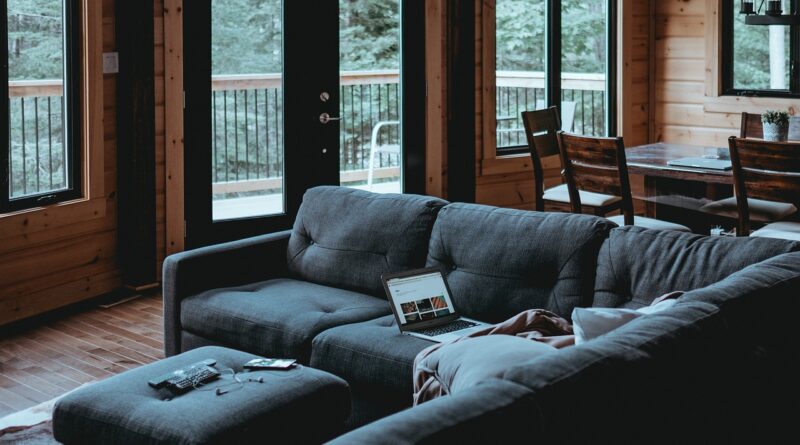
Modern rustic home decor ideas for a warmer, cleaner interior
What modern rustic home decor means now
Modern rustic home decor is not about filling a room with barn doors, distressed signs or lodge-style clichés. The stronger version of the look pairs the clarity of modern design with the warmth of rustic materials: visible wood grain, stone, linen, wool, clay, leather, woven textures and a grounded palette rather than a glossy one. The aim is a home that feels edited but not cold, comfortable but not cluttered.
That balance matters as many homeowners move away from stark white interiors and look for rooms with more material depth. Recent industry reporting from Houzz has described texture as a major design driver, while the National Kitchen & Bath Association’s 2026 kitchen trend reporting pointed to natural materials, wood grain and warm organic colors as continuing priorities among design professionals. In practical terms, modern rustic style answers a common design problem: how to make contemporary rooms feel human, relaxed and durable.
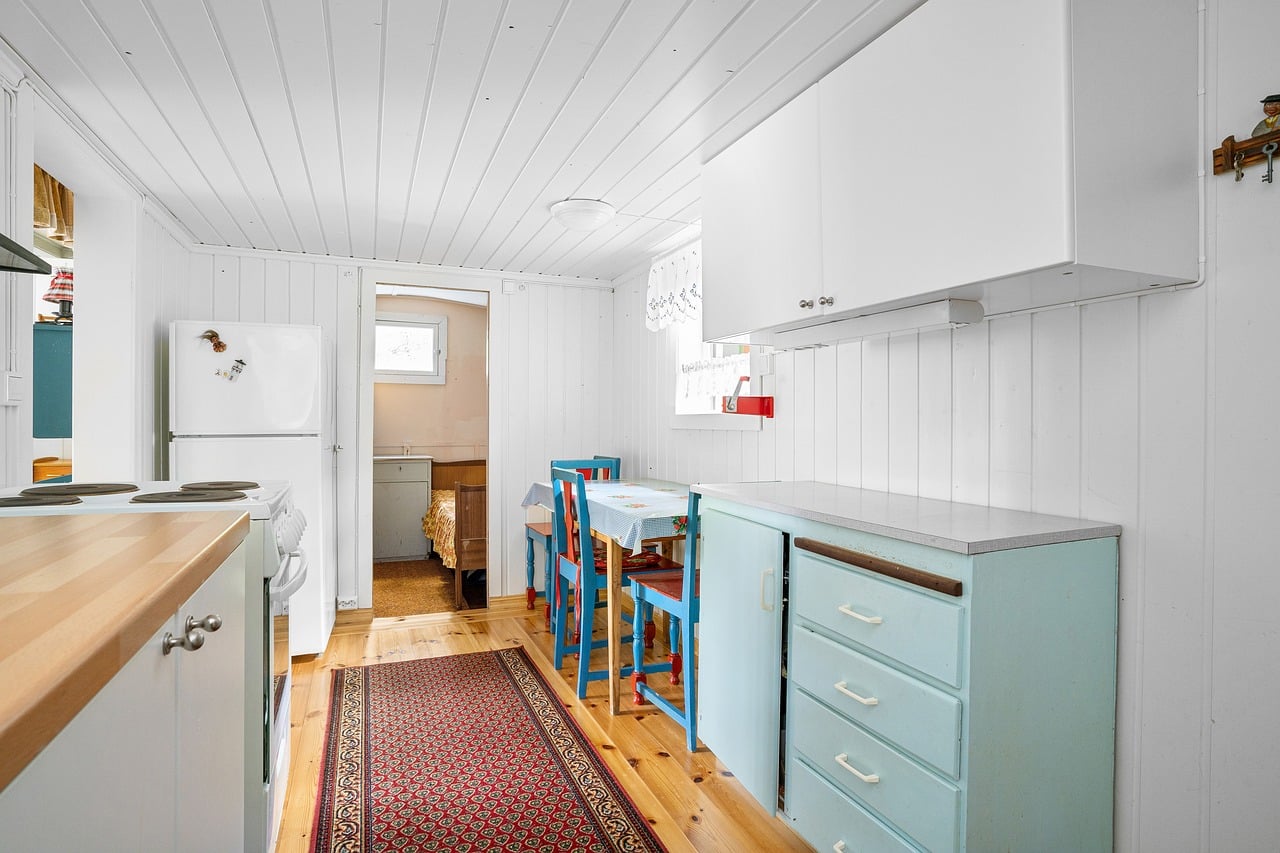
For more home design coverage and interior inspiration, visit the Home & Interior section.
The core formula is simple but needs restraint
The modern rustic look depends on contrast. If every surface is rough, dark and reclaimed, the room can feel heavy. If every surface is smooth, white and minimal, it can feel impersonal. A successful space usually includes one strong rustic anchor, several modern shapes and enough negative space for the materials to stand out.
- Rustic anchors: exposed beams, a stone fireplace, wide-plank wood floors, handmade tile, a vintage bench, a raw-edge table or woven baskets.
- Modern structure: clean-lined sofas, simple cabinet fronts, black or bronze metal accents, streamlined lighting, flat-panel storage and uncluttered surfaces.
- Soft layers: linen curtains, wool rugs, boucle or cotton upholstery, aged leather, ceramics, books and greenery.
- Controlled palette: warm white, oat, mushroom, taupe, clay, rust, olive, charcoal, walnut, oak and muted black.
A useful rule is to let one or two materials carry the rustic character while the rest of the room stays calm. For example, a living room with a rugged stone fireplace may need a simple sofa, plain linen drapery and a low-profile coffee table rather than distressed wood on every wall.
Choose materials before choosing accessories
Modern rustic interiors are material-led. Accessories matter, but the atmosphere comes from surfaces people see and touch every day. Wood, stone and textiles should feel intentional, not randomly collected.
Wood should show grain, not gimmicks
Wood is often the heart of the style. Oak, walnut, ash and pine can all work, but the finish should suit the room. Pale white oak reads lighter and more contemporary. Walnut adds depth and polish. Pine can feel casual and country when used heavily, so it often benefits from cleaner furniture forms or darker metal details.
Avoid using too many unrelated wood tones in one room. Two main tones are usually enough: one dominant wood for floors or cabinetry and one accent wood for furniture. If the tones clash, repeat another element, such as black hardware or a neutral rug, to visually connect them.
Stone and clay add weight without clutter
Stone, brick, plaster-look finishes and handmade tile give modern rustic spaces a sense of permanence. In kitchens and bathrooms, quartzite, marble-look quartz, limestone, zellige-style tile and textured ceramic can bring an organic feel. The key is proportion. A full stone fireplace wall may suit a large room, while a small apartment may only need a stone tray, ceramic lamp or textured backsplash to create the same mood.
Textiles make the style livable
Rustic materials can be visually hard, so textiles are essential. Wool rugs, linen cushions, cotton throws, woven shades and upholstered seating absorb sound and soften the room. Choose texture before pattern. A slubbed linen pillow or ribbed wool rug often feels more timeless than a busy rustic print.
Use a warmer palette, but keep contrast
Warm neutrals are central to the look, but a room needs more than beige. Start with a quiet base and add deeper tones so the interior has shape. Warm white walls, oak flooring, mushroom upholstery, black lighting and olive or rust accents will usually feel more modern than a room filled with matching tan furniture.
Color should also respond to daylight. North-facing rooms often need creamier whites, camel, rust or warm brown to avoid feeling gray. South-facing rooms can handle cooler stone, deeper olive or charcoal because they receive stronger light. Before painting, test large samples on more than one wall and view them in morning, afternoon and evening light.
| Design element | Modern choice | Rustic choice | Balanced modern rustic option |
|---|---|---|---|
| Walls | Flat white paint | Heavy wood paneling | Warm white paint with one plaster, stone or wood accent |
| Furniture | Low, clean-lined sofa | Overstuffed leather seating | Simple sofa with aged leather chair or wooden side table |
| Lighting | Slim metal fixture | Large wrought-iron chandelier | Simple pendant in black, bronze, rattan or linen |
| Decor | Minimal objects | Many vintage accessories | Few sculptural ceramics, baskets, books and natural branches |
Room-by-room ideas that do not feel staged
Living room
Begin with the largest visual plane. If the floor is wood, let it remain visible instead of covering it completely. Add a wool or jute-blend rug that is large enough for the front legs of the seating to rest on it. Pair a clean-lined sofa with a more tactile piece, such as a leather lounge chair, woven ottoman or reclaimed wood coffee table.
For walls, framed landscape photography, abstract earth-toned art or a single oversized textile can feel more current than rustic word art. Keep shelves edited. A mix of books, pottery, a small lamp and one organic object will look more architectural than rows of themed accessories.
Kitchen
The kitchen is where modern rustic decor can be especially effective because cabinetry, countertops and lighting already define much of the room. NKBA’s 2026 kitchen trend reporting highlighted continued interest in natural materials and wood grain; it also noted that lighting quality and natural light are important considerations for many design professionals. For homeowners, the lesson is clear: do not treat the kitchen as only a styling exercise. Cabinet finish, counter surface, backsplash texture and lighting temperature all shape the final result.
Flat-panel or slim Shaker cabinets in oak or walnut can look rustic without feeling old-fashioned. Stone-look counters, handmade tile and unlacquered or aged metal hardware can add texture. If the budget is limited, change the stools, pendant lights and hardware before replacing major surfaces. See also: Building Styles.
Bedroom
A modern rustic bedroom should feel calm, not over-decorated. Use a simple upholstered or wood bed, linen bedding, warm bedside lighting and one textured rug. Instead of buying a matching furniture set, combine a clean nightstand with a vintage chest or a woven bench. Keep the color palette quieter than in social spaces: oat, ivory, taupe, muted olive, walnut and charcoal work well.
Bathroom
Bathrooms benefit from restraint. Wood vanities, stone-look tile, plaster-style walls and simple black or brushed brass fixtures can create warmth without sacrificing cleanliness. Because bathrooms are moisture-prone, choose suitable finishes and follow manufacturer guidance for sealing, ventilation and cleaning. Rustic does not mean fragile; in wet rooms, durability should come before appearance.
How to avoid the common modern rustic mistakes
The most common mistake is confusing rustic with themed. Too many distressed finishes, oversized lanterns, faux antiques or farmhouse signs can make a space look dated quickly. Another mistake is making everything brown. Warmth can come from texture, light and material variation, not only from dark wood.
- Do not over-distress. One aged piece can add character; a full room of distressed surfaces can look artificial.
- Do not ignore scale. Chunky furniture needs breathing room. In smaller rooms, use rustic texture through lighting, textiles and small furniture.
- Do not mix every metal finish. Black, bronze, iron, brass and nickel can all work, but two finishes are usually enough in one space.
- Do not make storage an afterthought. Modern rustic rooms look best when everyday clutter has a place to go.
- Do not rely only on decor objects. The style is stronger when materials, lighting and furniture forms do the work.
There is also a sustainability consideration. Reclaimed wood, vintage furniture and long-lasting natural materials can reduce the need for frequent replacement, but only if they are chosen carefully. Check condition, finish safety, structural stability and maintenance needs before buying secondhand or salvaged pieces.
Budget-friendly ways to bring in the look
A full remodel is not required. The most efficient updates are the ones that change touch, light and tone. Replace cool gray pillows with linen, rust, olive or oatmeal textiles. Add a wooden stool beside a bathtub, a ceramic lamp on a modern console or a woven shade over a simple window. Swap glossy chrome accessories for matte black, aged brass or oil-rubbed bronze if those finishes suit the room.
Lighting is especially important. Warm bulbs, shaded lamps and layered light sources make natural materials look richer. In a living room, combine overhead lighting with table lamps and floor lamps. In a kitchen, under-cabinet lighting can make wood grain and stone surfaces more visible while improving function.
If you can only buy one large piece, choose a rug, dining table or storage cabinet. These items create more visual impact than many small accessories. If you rent, focus on movable elements: rugs, curtains, lamps, art, bedding, baskets and freestanding shelves.
Frequently asked questions
Is modern rustic the same as farmhouse style?
No. Farmhouse style often leans more casual and country, while modern rustic is cleaner and more architectural. The two can overlap, but modern rustic usually uses fewer decorative motifs, simpler lines and a more restrained palette.
Can modern rustic decor work in a small apartment?
Yes, but scale is important. Instead of heavy beams or large reclaimed furniture, use lighter wood, woven shades, linen textiles, ceramic pieces and warm lighting. Keep storage streamlined so the room feels calm rather than crowded.
What colors work best with modern rustic home decor?
Warm white, cream, taupe, mushroom, clay, rust, olive, charcoal, walnut and oak are reliable choices. The best palette depends on natural light, floor color and existing fixed finishes such as counters, tile and cabinetry.
How do I make rustic decor look more modern?
Edit the room. Remove overly themed accessories, simplify the color palette and introduce clean-lined furniture or lighting. Let natural materials provide character while the room layout and silhouettes stay crisp.
What is the easiest first update?
Start with textiles and lighting. A textured rug, linen curtains, warmer bulbs and a few ceramic or wood accents can shift the mood quickly without committing to a renovation.
The takeaway
Modern rustic home decor works best when it is treated as a balance rather than a checklist. Use natural materials, warm neutrals and tactile layers, but pair them with clean lines, good lighting and open space. The result is an interior that feels current, comfortable and connected to the materials that make a home feel real.