
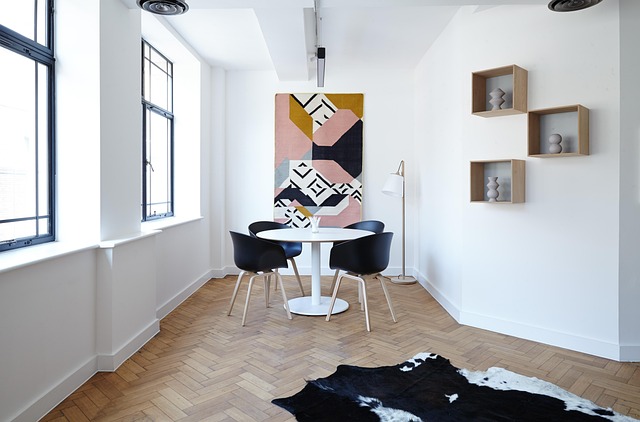
What Makes Modern House Interior Design Align with the Farmhouse Aesthetic
What You Need To Know About Modern Farmhouse-Style Interior Design
The modern farmhouse-style interior blends contemporary sophistication with rustic authenticity. It values clean lines, open layouts, and natural materials while preserving the warmth of traditional craftsmanship. This hybrid aesthetic has evolved into a balanced expression of simplicity and comfort, where steel meets reclaimed wood and technology coexists with handmade details. For professionals in architecture and design, this style represents a dialogue between modern house interior principles and timeless rural sensibilities—functional, sustainable, and emotionally resonant.
The Core Principles of Modern House Interior Design
Modern interiors are built on clarity and purpose. The design philosophy emphasizes proportion, light, and connection between spaces rather than ornamentation. Every detail—from floor plan to material choice—supports an uncluttered lifestyle that feels both refined and livable.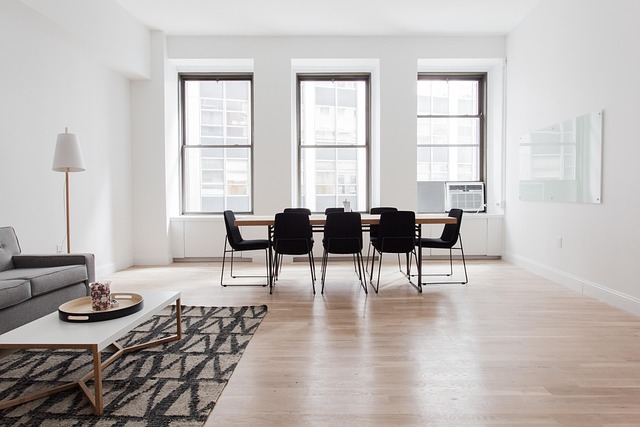
Defining the Modern Interior Framework
A modern house interior relies on clean lines, open spaces, and functional layouts that prioritize flow over formality. Natural light becomes a key architectural element, often enhanced through expansive glazing or skylights. Neutral color palettes—white, beige, gray—serve as calm backdrops for subtle contrasts in texture. Sustainable materials such as bamboo flooring or recycled composites reinforce environmental responsibility while maintaining high performance.
The Role of Minimalism in Modern Interiors
Minimalism within modern design eliminates visual noise through streamlined furniture and restrained finishes. Multifunctional pieces like modular shelving or concealed storage maintain usability without cluttering sightlines. Consistent textures—matte paint, brushed metal, soft textiles—create visual continuity across zones. This discipline encourages focus on form and proportion rather than decoration.
Understanding the Farmhouse Aesthetic in Contemporary Contexts
While modernism seeks precision and restraint, the farmhouse aesthetic brings warmth through imperfection and heritage. Its enduring appeal lies in emotional familiarity—the sense that every beam or patina tells a story.
Historical Foundations of the Farmhouse Style
The farmhouse style originated from rural practicality rooted in craftsmanship traditions. Early builders used what was available: wood from nearby forests, stone from local quarries, metal forged by hand. These choices created interiors defined by durability and authenticity. Comfort was central; large hearths, wide planks, and handmade textiles conveyed a sense of belonging rather than luxury.
Key Visual Elements of the Farmhouse Look
Iconic features include exposed beams, shiplap walls, reclaimed wood surfaces, and vintage-inspired fixtures that recall early industrial forms. Color schemes remain neutral but often accented with muted greens or ochres to echo nature’s palette. Each element contributes to an atmosphere that feels grounded yet inviting—a tactile contrast to sleek modernism.
The Intersection Between Modern Design and Farmhouse Aesthetics
Designers increasingly merge these two philosophies to achieve balance between innovation and nostalgia. The result is neither purely rustic nor strictly minimalist but an intentional synthesis of both worlds.
Shared Design Philosophies Between the Two Styles
Modern and farmhouse designs share core values: simplicity, function, honesty in materials. Both reject excessive ornamentation in favor of craftsmanship that highlights process over perfection. This shared ethos allows them to coexist seamlessly within one spatial narrative.
How Modern Interiors Integrate Farmhouse Warmth
Contemporary frameworks adopt rustic textures through finishes like weathered oak cabinetry beside stainless-steel appliances or linen upholstery paired with concrete floors. Handcrafted pottery or woven baskets soften angular geometry without diluting its clarity. Strategic lighting—track systems or pendant fixtures—draws attention to natural grains or stone surfaces.
Materiality as a Bridge Between Modern and Farmhouse Design
Material selection determines how effectively these aesthetics converge. Designers treat contrast not as conflict but as composition—a dialogue between rawness and refinement.
The Fusion of Industrial and Organic Materials
Steel frames meet reclaimed timber beams; glass partitions reflect sunlight onto textured plaster walls. Concrete countertops juxtaposed with linen drapery demonstrate how tactile differences enrich perception. Imperfections like knots or tool marks are celebrated for their authenticity rather than concealed.
Sustainable Practices in Modern Farmhouse Interiors
Sustainability extends beyond materials to systems integration. Locally sourced wood minimizes transport emissions; recycled metal reduces waste streams; energy-efficient HVAC systems hide within traditional frameworks without disrupting visual harmony. Long-lasting finishes such as limewash or oiled wood age gracefully instead of deteriorating quickly.
Spatial Planning and Functionality in Modern Farmhouse Homes
Spatial organization defines how people experience comfort within openness—a challenge when blending two contrasting typologies.
Open Floor Concepts with Defined Zones
Modern farmhouse layouts favor fluid transitions between kitchen, dining, and living areas while maintaining distinct zones through ceiling variations or furniture groupings. A kitchen island might delineate space without erecting barriers; layered lighting adds intimacy where needed.
Integration of Indoor–Outdoor Living Spaces
Large sliding doors connect interiors to gardens or patios, blurring boundaries between built form and landscape. Covered porches extend usable space year-round while encouraging natural ventilation strategies that reduce mechanical cooling demand—a practical nod to both sustainability and comfort.
Color Palettes and Textural Harmony in Design Execution
Color strategy anchors mood while texture builds depth—a delicate equilibrium crucial for this hybrid style.
Neutral Foundations Enhanced by Organic Accents
Whites, creams, grays provide calm continuity across rooms while natural woods introduce warmth against minimalist backdrops. Layered textures—linen upholstery, wool rugs—add tactile richness without overwhelming visual simplicity.
The Role of Contrast in Achieving Visual Balance
Black metal frames around windows ground lighter tones; matte ceramics contrast subtly with glossy tiles; strategic color blocking defines transitions between functional areas like dining nooks or entryways without requiring walls.
Furniture Selection and Decorative Strategies
Furniture becomes storytelling material—it connects eras while maintaining coherence within the overall scheme.
Blending Contemporary Forms with Rustic Character
Streamlined silhouettes coexist with handcrafted joinery details; reclaimed oak tables sit beside molded chairs of contemporary profile; custom-built cabinetry combines precision joinery with distressed finishes for authenticity rooted in craft tradition.
Accessorizing Within a Refined Framework
Decor remains restrained: ceramic vases highlighting clay texture rather than glaze shine; abstract artwork echoing organic patterns; lighting fixtures functioning as sculptural statements that punctuate otherwise neutral compositions.
The Future Direction of Modern Farmhouse Interior Design
The evolution of this style reflects broader shifts toward sustainability, technology integration, and emotional connection within living environments.
Emerging Trends Shaping the Hybrid Aesthetic
Smart home technologies now integrate invisibly into rustic settings—from app-controlled climate systems hidden behind paneled walls to adaptive LED lighting mimicking daylight cycles. Biophilic principles gain traction as designers incorporate indoor greenery for well-being benefits documented by organizations such as the International WELL Building Institute (IWBI). Adaptive reuse projects transform barns or warehouses into residences that preserve cultural memory while embracing innovation.
Maintaining Authenticity Amid Evolving Preferences
Authenticity depends on context-driven decisions rather than superficial imitation. Craftsmanship remains central even when digital fabrication enters production chains; timelessness arises from proportionate composition more than trend adherence—a principle echoed across successful modern house interior projects globally.
FAQ
Q1: What defines a modern farmhouse-style interior?
A: It combines minimalist structure from modern design with rustic warmth from traditional farmhouses using natural materials like wood and metal alongside clean architectural lines.
Q2: How does lighting influence this style?
A: Lighting shapes mood by highlighting material textures; pendant lights over wooden surfaces emphasize grain depth while recessed fixtures maintain spatial clarity.
Q3: Are sustainable materials essential?
A: Yes. Designers prioritize renewable sources such as reclaimed timber or recycled steel because they align environmental ethics with aesthetic longevity.
Q4: Can technology fit into a farmhouse setting?
A: Absolutely. Smart systems can be integrated discreetly so they enhance function without altering visual authenticity—for instance hidden sensors controlling temperature zones.
Q5: Why is this style so popular among homeowners?
A: It satisfies dual desires for simplicity and comfort—modern efficiency paired with nostalgic charm creates homes that feel both current and enduring.