
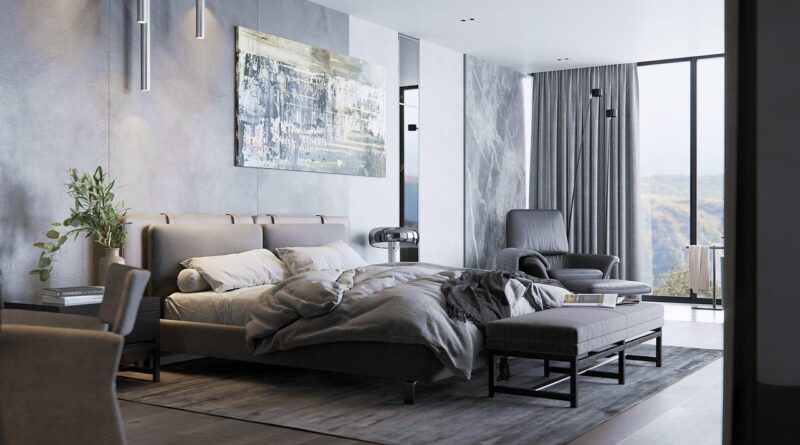
Bed room wall decor ideas that make a bedroom feel calm and finished
Start with the wall that needs a job
Good bed room wall decor is not about filling every blank surface. It is about giving each important wall a clear purpose: framing the bed, improving light, adding storage, softening acoustics, or creating a calmer visual rhythm. In most bedrooms, the strongest result comes from one main decorative wall, one or two supporting details, and enough empty space for the eye to rest.
Before buying art, shelves, or mirrors, look at the bed position, ceiling height, window placement, outlet locations, and how the room feels at night. A bedroom wall should support sleep and comfort first. Decoration works best when it reinforces that purpose instead of competing with it.
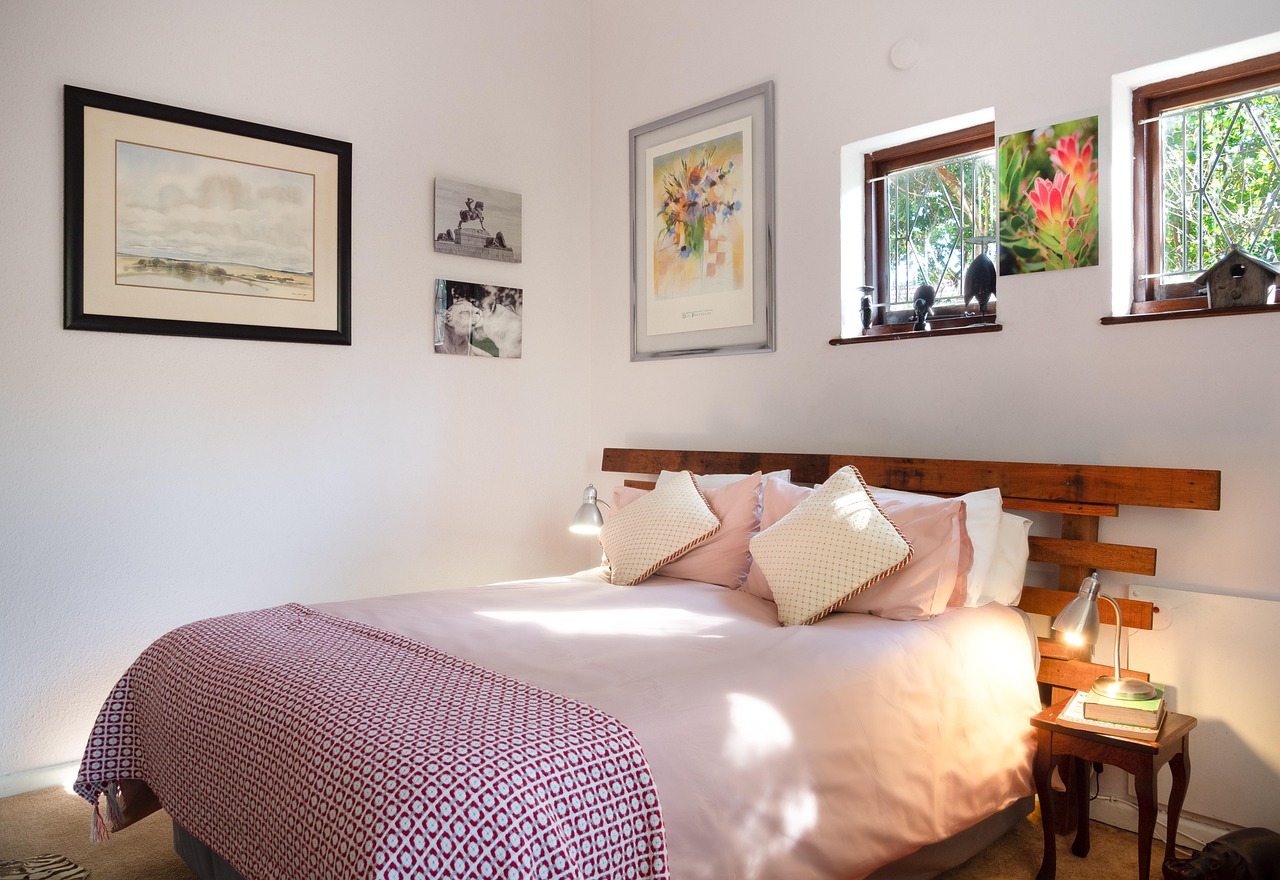
For readers comparing furniture, textiles, and room styling ideas, the Furniture & Decor section offers related home design inspiration across interior categories.
Choose a focal point before choosing decor
The bed wall is the natural focal point in many bedrooms because it is often the largest uninterrupted surface and the first place the eye lands. It does not need to hold the most expensive piece in the room. It simply needs to look considered. A large artwork, a pair of framed prints, a textile panel, a sculptural light, or a painted feature can all work when the scale relates to the headboard and the width of the bed.
A useful planning rule is to keep wall decor visually connected to the furniture below it. Art above a bed often feels balanced when it is narrower than the bed but wide enough to belong to the same composition. Very small pieces can look lost above a queen or king bed. An oversized piece that nearly reaches the ceiling may feel heavy in a low room. Instead of judging the artwork alone, look at the full arrangement: bed, headboard, pillows, bedside tables, lamps, and wall decor.
When the bed wall should stay quiet
Not every bedroom needs a bold statement wall. If the room already has patterned bedding, dramatic curtains, strong wood grain, exposed brick, or a large window behind the bed, quieter wall decor may work better. A single muted print, a slim picture ledge, or a tonal plaster-like paint finish can add depth without creating visual noise. This approach is especially useful in smaller bedrooms, where several strong elements can make the room feel busier than it is.
When another wall should become the feature
In some layouts, the best feature wall is not behind the bed. A blank wall opposite the bed may be better for a gallery arrangement, a shallow console, or a mirror that reflects daylight. A side wall near a reading chair can hold a sconce and a small art grouping. If the bed sits under a window, side artworks or low horizontal pieces can frame the sleeping zone without fighting the architecture.
Use scale, height, and spacing to make wall decor look intentional
Scale is where many bedroom wall decor plans succeed or fail. A beautiful print can look unfinished if it is too small, hung too high, or visually disconnected from the furniture it is meant to support. Common gallery practice often starts with the center of a piece around 57 to 60 inches from the floor. In bedrooms, that guideline usually needs adjustment because art is often placed above beds, dressers, nightstands, or benches. The goal is to relate the decor to the furniture below it, not to treat the wall like an empty museum surface.
Above a headboard, leave enough breathing room so pillows do not touch the frame, but avoid hanging art so high that it floats away from the bed. Above a dresser, art or a mirror usually looks more grounded when the gap is modest and the piece is clearly connected to the furniture. For gallery walls, consistent spacing between frames helps the arrangement read as one composition rather than scattered objects.
| Wall situation | Decor approach | Why it works |
|---|---|---|
| Wide bed wall | One large artwork, a textile panel, or two balanced frames | Creates a clear focal point without clutter |
| Narrow wall beside bed | Small framed art, sconce, or slim shelf | Adds detail while preserving circulation |
| Wall above dresser | Mirror, framed print, or layered leaning art | Connects storage furniture to the room design |
| Rental bedroom | Lightweight frames, removable hooks, fabric hangings | Reduces damage risk and remains easy to change |
| Low ceiling room | Vertical art, tall narrow mirror, or low-contrast wall treatment | Encourages the eye upward without overwhelming the room |
Build atmosphere with materials, not only pictures
Framed art is the most familiar option, but bedroom walls can gain warmth from texture as much as imagery. Fabric, wood, woven fiber, ceramic objects, limewash-style paint, acoustic panels, and upholstered headboards all change how a room feels. These choices are useful when the aim is softness rather than decoration for its own sake.
Textile wall hangings work well above beds because they add fabric where hard frames can sometimes feel severe. A woven panel, quilt-inspired hanging, or simple fabric banner can introduce pattern while staying visually gentle. Wood slats or panels can bring rhythm to a modern bedroom, but proportion matters; if the treatment is too dominant, the wall can overpower the furniture. In minimalist rooms, a textured paint finish may provide enough movement without adding objects at all.
Texture for small bedrooms
Small bedrooms often benefit from shallow, low-profile decor. Thick shelves, heavy frames, and deep sculptural pieces can make tight rooms feel crowded. Flat woven panels, slim framed prints, painted arches, and low-relief wall panels add interest without taking up usable space. If storage is limited, a narrow picture ledge can display small works and allow easy rotation, but it should not be placed where someone may bump into it while getting in or out of bed.
Texture for calm bedrooms
A calm bedroom does not have to be plain. It usually depends on controlled contrast. Soft neutrals, muted greens, warm whites, dusty blues, clay tones, and natural fibers tend to feel restful because they reduce sharp visual jumps. Strong color can still work, but it should be used deliberately: one deep painted wall, one large art piece, or one patterned textile rather than several competing statements.
Coordinate color with bedding, lighting, and flooring
Wall decor should not be chosen in isolation. The same print can look crisp in one bedroom and disconnected in another, depending on bedding color, floor tone, lamps, and natural light. Before selecting art, pull three or four existing colors from the room: one dominant neutral, one wood or metal tone, one textile color, and one accent. Wall decor can repeat one of these colors, soften it, or create controlled contrast.
For example, a bedroom with warm oak furniture and cream bedding may work well with terracotta, olive, charcoal, or soft black accents. A room with cool gray flooring may need warmer artwork or woven texture to avoid feeling flat. If the bedding changes seasonally, choose wall decor that can bridge several palettes instead of matching only one duvet cover.
Lighting also changes wall decor dramatically. A print with subtle color may disappear in a dim corner, while a glossy frame may reflect bedside lamps. Matte finishes, fabric shades, and picture lights can help, but they should be planned before final placement. If a mirror is part of the design, check what it reflects from the bed and doorway. A mirror that reflects clutter, a ceiling fan, or harsh light may make the room feel less peaceful. See also: Building Styles.
Match decor ideas to common bedroom styles
Style labels are useful only when they help narrow decisions. Instead of copying a complete look, use them to guide materials, shapes, and color choices. A modern bedroom may call for fewer, larger pieces. A cottage-inspired room may suit layered frames and botanical prints. A Scandinavian-style bedroom often works with pale woods, simple line art, and soft textiles. A traditional bedroom may feel more complete with symmetrical pairs, classic frames, or landscape artwork.
- Modern bedroom: Choose one oversized abstract piece, a sculptural wall light, or a tonal feature wall with limited color.
- Minimal bedroom: Use negative space as part of the design. One quiet artwork can be stronger than a full gallery wall.
- Bohemian bedroom: Mix woven hangings, handmade ceramics, baskets, and layered textiles, but keep the color palette controlled.
- Coastal bedroom: Use texture and lightness rather than obvious themed objects. Linen, pale wood, soft blue, and sandy tones often feel more refined than literal beach signs.
- Traditional bedroom: Try balanced pairs of prints, framed botanicals, architectural drawings, or a mirror above a dresser.
- Industrial bedroom: Combine metal frames, black accents, textured walls, and warm wood to prevent the room from feeling cold.
The strongest rooms often mix styles carefully. A modern bed can look more inviting with a woven wall hanging. A classic dresser can feel fresher under simple abstract art. The goal is not to label the room perfectly; it is to create a wall composition that supports the furniture and the mood.
Plan practical details before hanging anything
Bedroom wall decor needs practical planning because the room is used in low light, early mornings, and late nights. Heavy items above a bed should be mounted with hardware suited to the wall type and item weight. Drywall anchors, studs, masonry fasteners, and picture-hanging systems all behave differently. If the item is heavy, valuable, or placed above where someone sleeps, professional installation is worth considering.
Think also about cleaning and maintenance. Open shelves collect dust near bedding. Highly textured pieces may be harder to clean. Fragile ceramics or glass frames are not ideal where children, pets, or narrow walkways are involved. In humid climates or poorly ventilated rooms, natural fiber pieces should be monitored for moisture issues.
Renter-friendly options
Renters can still create strong bedroom walls without permanent changes. Lightweight framed prints, removable adhesive strips rated for the correct weight, leaning art on dressers, freestanding headboards, and fabric hangings are flexible options. Always check lease rules and wall surface conditions first. Removable products can still damage weak paint or textured surfaces if used incorrectly.
Budget-conscious upgrades
A limited budget is often better spent on scale and framing than on quantity. One well-sized print in a simple frame can look more polished than six small unrelated pieces. Other affordable upgrades include painting a partial wall, framing fabric remnants, using a picture ledge for rotating prints, or grouping family photographs in matching frames. Consistency makes inexpensive pieces look deliberate.
Frequently asked questions
What is the best wall to decorate in a bedroom?
The bed wall is usually the best starting point because it anchors the room. However, the best wall depends on the layout. If the bed is under a window or the opposite wall is more visible, a dresser wall, reading corner, or wall facing the doorway may become the stronger focal point.
How much wall decor is too much for a bedroom?
It is too much when every wall competes for attention or when the room feels visually busy from the bed. A balanced bedroom usually has one main wall feature, a few supporting details, and some blank space. Negative space helps the room feel restful.
Should bedroom wall decor match the bedding?
It does not need to match exactly. A better approach is coordination. Repeat one or two colors from the bedding, furniture, or rug, then add a small amount of contrast. This creates a collected look and prevents the room from feeling overly matched.
Are mirrors good bedroom wall decor?
Mirrors can be useful because they reflect light and make a room feel more open. Placement matters. A mirror should reflect something pleasant, such as daylight, artwork, or a tidy part of the room, rather than clutter or harsh lighting.
What can I put above a bed besides framed art?
Good alternatives include a textile hanging, wood panel feature, shallow ledge, sculptural wall light, painted shape, wallpaper panel, or upholstered headboard extension. Keep weight, mounting safety, and head clearance in mind, especially directly above sleeping areas.
The takeaway for a finished bedroom wall
Bedroom wall decor works best when it balances mood, scale, safety, and function. Start with the focal wall, choose pieces that relate to the furniture, and use color and texture to support the atmosphere you want at the end of the day. The most effective result may be a single large artwork, a quiet textile, a carefully placed mirror, or a better-proportioned arrangement. A finished bedroom is not the one with the most decor; it is the one where every wall has a reason to be there.