

How to choose mid century modern outdoor furniture for a durable patio
What defines mid century modern outdoor furniture outdoors
Mid century modern outdoor furniture is more than a retro patio treatment. At its best, it is a practical design language built around clean lines, low profiles, visible structure, and a strong relationship between the house and the landscape. For outdoor use, those ideas need to be translated into weather-ready materials such as teak, powder-coated aluminum, stainless steel, performance rope, and solution-dyed fabrics. The result should feel composed rather than decorated: slim lounge chairs, slatted dining pieces, tapered or splayed legs, warm wood tones, restrained color, and cushions that look tailored but can cope with sun and moisture.
That balance matters because outdoor rooms now carry more of the home’s day-to-day social life. Recent design reporting from groups such as NKBA and ASID has pointed to stronger indoor-outdoor connections, year-round use, comfort, and durability as major residential themes. For more design context across the category, see Archithaus Furniture & Decor.
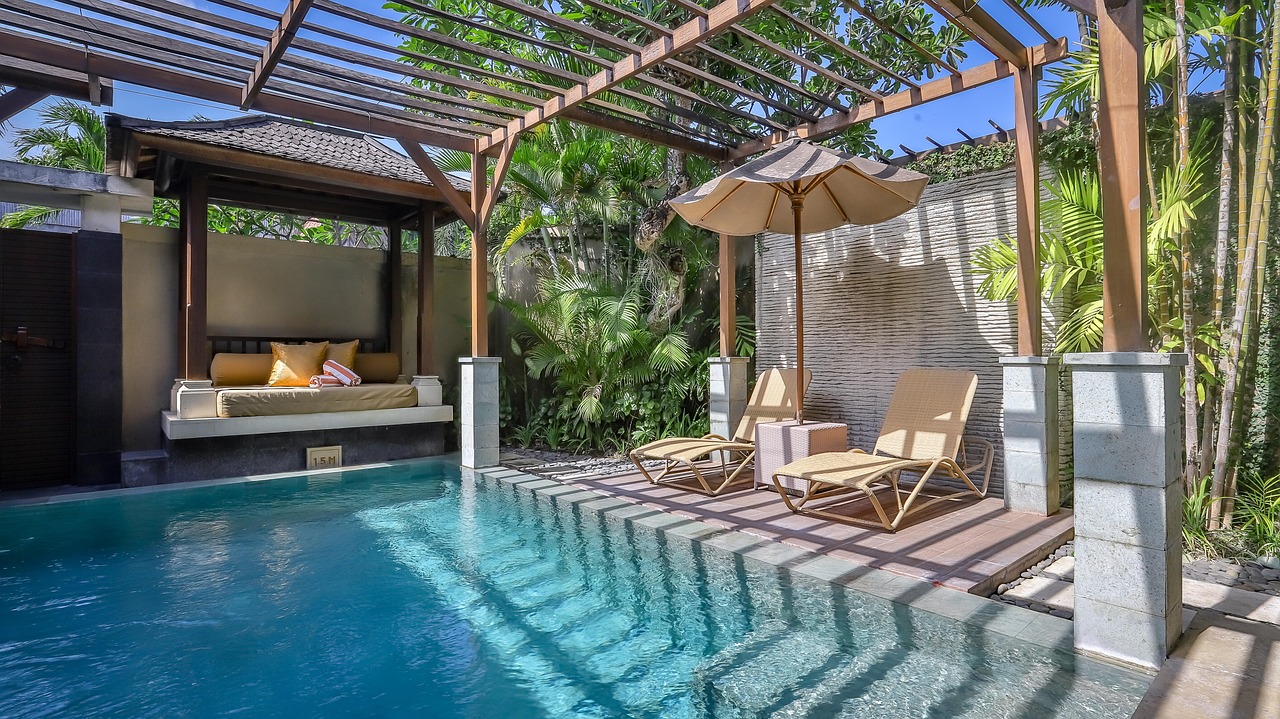
The style signals to look for before you buy
The most convincing mid-century outdoor pieces usually share three traits: a light visual footprint, a clear structural frame, and a restrained material palette. A sofa with a boxy teak base and loose rectangular cushions will usually read more mid-century than a bulky roll-arm patio sectional. A dining chair with angled legs, a curved back, or a woven seat can suggest the period without turning the patio into a reproduction set.
Low horizontal lines are especially important. Mid-century interiors often used long, low credenzas, platform seating, and open sightlines. The same principle works on a terrace because it keeps views open and lets planting, architecture, and sky remain part of the composition. Look for lounge chairs with relaxed seat heights, coffee tables that sit close to cushion height, and modular sofas that do not create a heavy wall around the patio.
Avoid relying on one obvious vintage cue. Hairpin legs, bright orange cushions, or boomerang shapes can work in small doses, but too many period references make the space feel themed. A stronger approach is to combine one or two recognizable silhouettes with neutral upholstery, sculptural planters, and simple lighting.
Materials make or break the outdoor version
Indoor mid-century furniture can celebrate walnut veneer, molded plywood, and leather. Outdoors, those materials need tougher equivalents. The right choice depends on climate, exposure, weight, and how much maintenance the owner is willing to accept.
| Material | Why it fits the style | Where it works well | What to check |
|---|---|---|---|
| Teak or other dense outdoor hardwood | Warm, architectural, and close to classic mid-century wood tones | Dining tables, benches, lounge frames, covered or open patios | Ask about responsible sourcing, joinery, and whether you are comfortable with natural silvering |
| Powder-coated aluminum | Slim frames, crisp lines, and a light visual profile | Pool decks, balconies, wet climates, movable dining chairs | Check coating quality, frame thickness, welds, and wind stability |
| Stainless steel | Clean modern edge with a more substantial feel | Coastal or contemporary projects when budget allows | Confirm grade, finish care, heat exposure, and fingerprint visibility |
| Performance rope or synthetic wicker | Adds texture while keeping silhouettes open and airy | Lounge chairs, accent chairs, shaded seating areas | Avoid brittle or shiny-looking plastic weave; check UV and cleaning guidance |
| HDPE or recycled plastic lumber | Can echo slatted wood forms with low maintenance | Family patios, damp sites, rental properties, casual decks | Look for refined profiles; bulky boards can fight the mid-century look |
A useful rule is to choose the material for exposure first and the finish second. A teak frame may be beautiful, but a full-sun, high-rain location needs realistic cleaning expectations. Aluminum may be easy to move, but very light chairs can feel unstable in exposed wind. Mid-century modern outdoor furniture looks effortless only when the construction suits the site.
How to plan the layout like an outdoor room
Mid-century design is closely tied to architecture, so the furniture should relate to doors, windows, overhangs, paving lines, and views. Start by deciding whether the patio is mainly for lounging, dining, or flexible entertaining. Then choose fewer, better-scaled pieces instead of filling every edge.
For a lounge area, a simple L-shaped arrangement often works: a low sofa or two lounge chairs facing a rectangular table, with a side table close enough for a drink. Keep the backs low if the seating sits in front of a garden view. If the patio is narrow, two armless lounge chairs with a shared table may express the style more cleanly than a sectional that overwhelms the footprint.
For dining, pair a simple rectangular or round table with chairs that have a strong profile but do not crowd the table edge. Slatted wood, molded-look seats, and slim metal frames all suit the style. Allow generous circulation behind pulled-out chairs, especially near sliding doors or grill zones. Mid-century outdoor design should be easy to move through, not staged only for a photograph.
Cushions, color, and texture should do quiet work
The fastest way to weaken a good frame is to choose cushions that are too thick, too shiny, or too decorative. Mid-century-inspired outdoor cushions should look tailored: squared edges, neat seams, restrained thickness, and covers that can be removed or cleaned. For exposed seating, prioritize performance fabrics such as solution-dyed acrylic or olefin, quick-drying cushion construction, and clear manufacturer care instructions.
Color does not have to be beige, but it should be disciplined. Good base colors include warm white, sand, charcoal, olive, clay, ochre, muted blue, and deep green. These tones connect well with wood, concrete, stone, and planting. Brighter retro colors can be used as accents in pillows, planters, or a single side chair rather than across every cushion.
Texture is just as important. Combine smooth metal with nubby fabric, teak with matte ceramic, or rope seating with a simple concrete planter. The contrast keeps the patio from feeling flat while preserving the clean geometry that makes the style recognizable. See also: Building Styles.
What 2026 design reporting suggests for this look
The current relevance of mid-century outdoor furniture is less about nostalgia and more about how people want outdoor areas to function. NKBA’s July 6, 2026 outdoor living discussion described outdoor spaces as shifting from optional luxury upgrades toward indoor-equivalent living areas, with comfort, shelter, lighting, multifunctionality, and durable materials becoming central expectations. NKBA’s 2026 Kitchen Trends Report, released on September 18, 2025, also identified outdoor connection as a growing kitchen-related feature, which supports the broader move toward linked indoor and outdoor zones.
Those reports do not mean every patio should look mid-century. The editorial takeaway is narrower: mid-century modern outdoor furniture fits the moment because it can bridge architecture, comfort, and restraint. Its low profiles preserve views, its material honesty aligns with natural and organic design preferences, and its modular simplicity works for patios that need to shift between coffee, dining, and hosting.
A practical buying checklist
- Match the frame to the climate. Choose teak, aluminum, stainless steel, HDPE, or performance rope based on sun, rain, salt air, wind, and storage options.
- Check the underside. Joints, welds, glides, drainage points, and hardware often reveal more about durability than the front view.
- Sit before judging proportions. Low seating can look right but feel awkward if the cushion angle, depth, or arm height is wrong.
- Limit the palette. Two main materials and one accent finish usually feel more architectural than a mix of many woods, metals, and colors.
- Plan storage. Even outdoor-rated cushions last longer when protected from standing moisture, debris, and long periods of harsh exposure.
- Avoid indoor substitutes. Indoor chairs, untreated wood, and standard upholstery may photograph well briefly but are not designed for weather.
Care and maintenance without losing the look
Maintenance should be part of the design decision, not an afterthought. Teak can be allowed to weather to a gray patina or cleaned and treated to preserve a warmer tone; either choice should be intentional. Powder-coated metal should be washed gently and checked for chips, especially around feet and joints. Cushions should be brushed free of dirt, cleaned according to the fabric maker’s instructions, and dried before storage. Rope and synthetic weave need periodic cleaning so dust and pollen do not become embedded.
Seasonal inspection is also worthwhile. Tighten hardware, check glides, rotate cushions, and move planters or rugs that trap moisture under furniture legs. These small habits help preserve the crisp lines that make mid-century pieces appealing in the first place.
Frequently asked questions
Is teak necessary for mid century modern outdoor furniture?
No. Teak is a strong fit because its warm tone and slatted construction suit the style, but powder-coated aluminum, stainless steel, performance rope, and refined HDPE can also work. The silhouette matters as much as the material.
Can mid-century outdoor furniture work on a small balcony?
Yes, but scale is critical. Choose open-frame chairs, a compact round table, or a two-seat bench rather than deep sectionals. Pieces with visible legs and slim arms make a small outdoor area feel less crowded.
What colors look most authentic outdoors?
Warm neutrals, charcoal, olive, muted blue, clay, and ochre tend to work well because they connect to natural materials and period-inspired palettes without becoming costume-like. Use brighter retro tones sparingly.
How can I avoid a patio that looks too retro?
Mix vintage-inspired forms with contemporary performance materials and simple landscaping. One sculptural chair, a clean-lined table, and restrained cushions usually look more sophisticated than a space filled with obvious period motifs.
Should all outdoor pieces match?
Not necessarily. A coordinated mix often feels more architectural. Keep the frame language consistent, repeat one finish or color, and vary texture through cushions, planters, and side tables.