
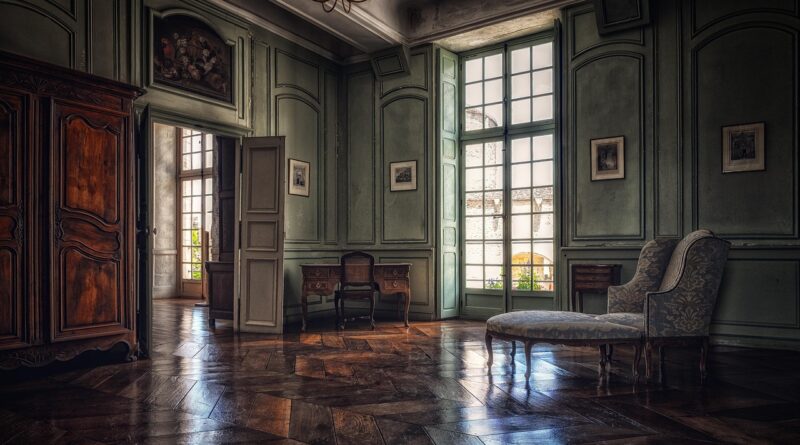
Traditional interior design ideas for a character-rich home
What traditional interior design means now
A traditional interior is not a room preserved exactly as it once was. At its best, it uses proportion, symmetry, architectural detail, natural materials and collected furnishings to create a home that feels settled, comfortable and visually ordered. For many modern homeowners, the aim is not strict historical reproduction. It is a layered interior that respects classic design language while still allowing for everyday use, better lighting, easier maintenance and personal expression.
That distinction matters. Traditional rooms can feel rich and calm, but they can also become heavy when every choice is formal, dark or overly matched. The stronger approach is to keep the structure of the style and edit the surface. A shaped sofa, a paneled wall, an antique table, warm wood, patterned textiles and a balanced floor plan can make a room feel traditional without turning it into a period set. For more home design coverage, visit the Home & Interior section.
Why traditional style is relevant in 2026
Recent design research helps explain why traditional interiors are receiving renewed attention. Houzz’s 2026 U.S. Emerging Summer Trends Report, published on May 20, 2026, pointed to rising interest in tactile finishes and classic details. In its search data, wainscoting was up 32% year over year, Venetian plaster was up 94%, limewash interior paint was up 53% and terracotta flooring was up 55%. These are not all traditional features in the same historical sense, but they share a common appeal: texture, craft and visible material character.
Houzz’s 2026 U.S. Fall Design Trends Report also described warmth as a baseline rather than a passing accent. Based on interviews with nearly 50 home design professionals, the report highlighted layered interiors, vintage pieces, original architectural elements, natural stone, plaster, warm wood and materials that look collected over time. That direction fits closely with the practical side of traditional design, which often depends more on depth, proportion and patina than on novelty.
Kitchen and bath research points in a similar direction. The National Kitchen & Bath Association’s 2026 Kitchen Trends Report, released September 18, 2025, found that 72% of respondents expected transitional or timeless kitchen design to be popular over the next three years. The same report noted that neutrals remained highly popular, wood grain was gaining over painted cabinetry and white oak was the leading wood type among respondents. For traditional interiors, the message is clear: homeowners may want comfort and character, but they also expect durability, function and restraint.
The American Society of Interior Designers’ 2025 Trends Outlook, released January 28, 2025, framed the broader mood around wellness, sustainability and timeless craftsmanship. That does not mean every home should become traditional. It does suggest that interiors with history, material honesty and long-term livability are well aligned with the way many homeowners are thinking about space now.
Build the room from architecture before decoration
Traditional design starts with the room itself. Furniture, fabrics and art matter, but they work best when the architectural shell has clear order. In a new build or recent renovation, that may mean adding modest crown molding, a chair rail, built-in shelves, a fireplace surround, paneled doors or simple wainscoting. In an older home, it may mean preserving what is already there and avoiding the removal of details that give the room its scale.
Use symmetry without making the room stiff
Symmetry is one of the easiest ways to create a traditional feeling. A pair of lamps on a console, twin chairs near a fireplace or balanced bookcases around a doorway can make a room feel composed. But symmetry should support comfort, not control every object. A living room can have a symmetrical fireplace wall and still include an off-center reading chair, a modern side table or a relaxed gallery wall. The point is to balance visual weight, not to match every item.
Let millwork set the tone
Millwork is powerful because it gives flat walls depth and shadow. Crown molding can finish the junction between wall and ceiling, while baseboards, casing and paneling help define the room’s proportions. In a smaller home, slender profiles often work better than large ornamental trim. In rooms with high ceilings, deeper crown, taller baseboards or framed wall panels may be appropriate. The detail should look scaled to the room, not pasted on.
Respect the floor plan
Traditional interiors often favor conversation and connection. Instead of pushing all seating to the walls, bring chairs and sofas into a group. Leave clear circulation paths, especially between doors, windows and fireplaces. A rug should be large enough to connect the main seating pieces. If a room has a strong focal point, such as a mantel, large window or built-in bookcase, orient the layout around it before choosing decorative accessories.
Choose materials, color and pattern with restraint
The most convincing traditional rooms rarely depend on one dramatic feature. They are built in layers: wood, stone, plaster, metal, fabric, glass, books, art and objects that feel acquired over time. The palette can be light or dark, quiet or colorful, but it needs continuity. Warm whites, cream, taupe, mushroom, olive, deep blue, rust, oxblood, brown and muted green all sit comfortably in traditional interiors when used with discipline.
Pattern is just as important. Florals, stripes, plaids, damasks, block prints and small geometrics can all work, but they need variation in scale. If the drapery has a large floral, the pillow might use a narrow stripe and the rug might carry a faded all-over pattern. Too many motifs of the same size create visual noise. Too little pattern can make the room feel flat.
| Design element | Traditional role | Modern adjustment |
|---|---|---|
| Wood | Adds warmth, structure and age | Use visible grain, lighter stains or a mix of antique and new pieces |
| Stone | Signals permanence in fireplaces, counters and floors | Choose honed or leathered finishes for a softer, less polished look |
| Wallpaper | Creates pattern and enclosure | Use it in dining rooms, powder rooms, bedrooms or above paneling |
| Metal | Brings detail through lighting, hardware and frames | Favor aged brass, bronze, nickel or iron over overly shiny finishes |
| Textiles | Softens formal architecture | Mix linen, wool, velvet and cotton for a less showroom-like result |
Restraint does not mean bland. It means each layer has a job. A patterned rug can anchor the room, drapery can add height, lamps can soften evening light and framed art can make the space personal. When every element competes for attention, the traditional effect is lost.
Apply the look room by room
Living rooms
In a traditional living room, start with seating that supports conversation. A sofa and two chairs arranged around a fireplace or central table is a reliable base. Add a substantial rug, side tables within reach, shaded lamps and a few pieces with age or texture. Avoid buying a complete matching set. A room with one antique chest, one tailored sofa and one contemporary lamp usually feels more natural than a room where every leg shape and finish repeats.
Dining rooms
Traditional dining rooms can handle more drama than casual living spaces. Wallpaper, a chandelier, a sideboard, framed art and upholstered chairs all belong here. The common mistake is making the room too formal for regular use. If the table is too precious, the room may sit empty. Durable chair fabric, dimmable lighting and storage for everyday tableware make the space more inviting.
Bedrooms
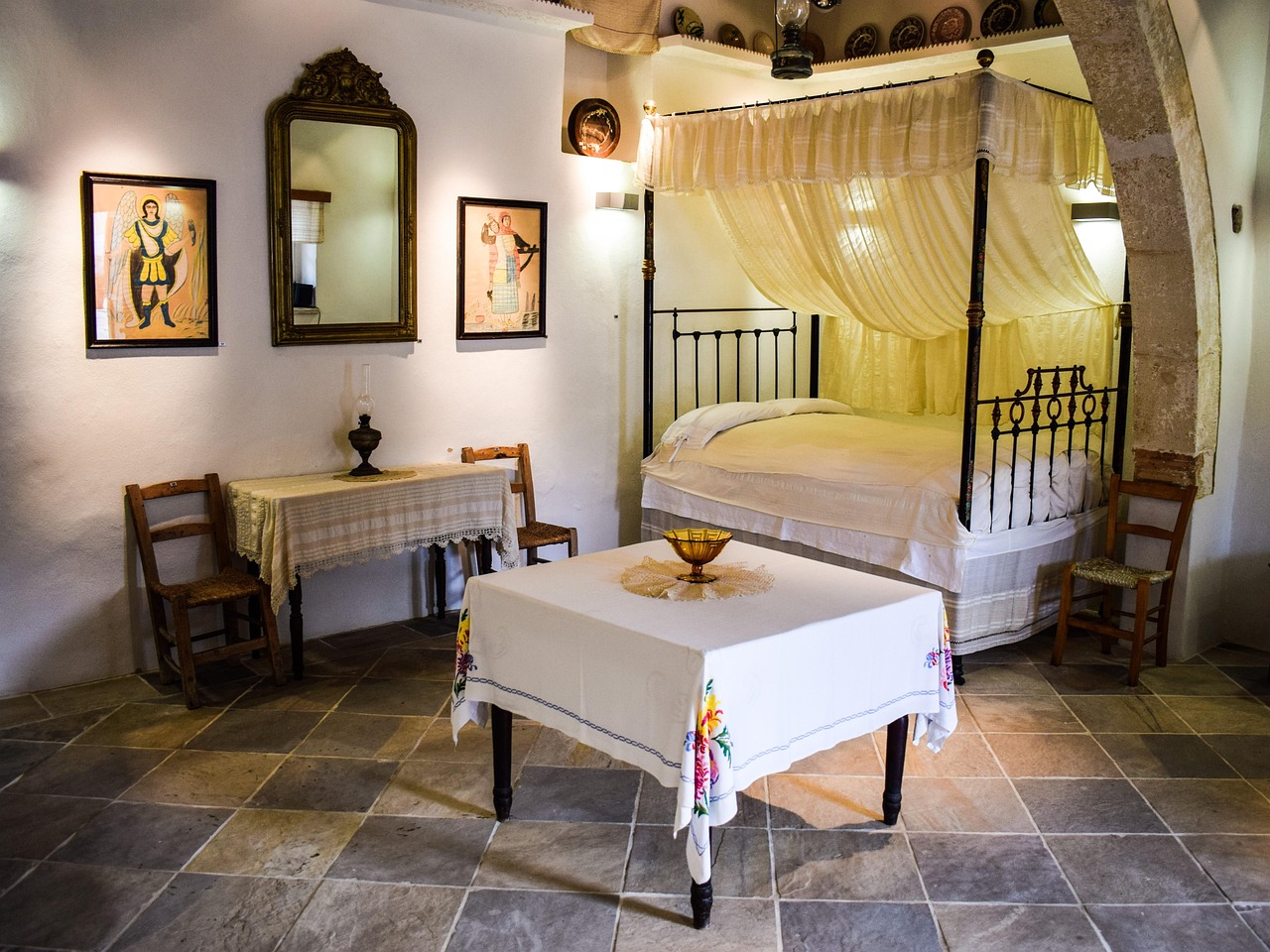
A traditional bedroom should feel calm rather than ceremonial. Use a strong headboard, layered bedding, bedside lamps and window treatments that control light. Matching nightstands are useful, but they are not required. A writing desk, bench or small reading chair can add function and softness. Pattern works well in bedrooms, especially through curtains, pillows or a rug, but the palette should support rest. See also: Building Styles.
Kitchens and baths
Kitchens and baths require the most careful balance because they must perform. Shaker-style cabinet doors, inset or framed cabinetry, stone counters, bridge faucets, unlacquered or aged metal hardware and warm wood can create a traditional vocabulary. Storage, lighting and accessibility should still lead the design. NKBA’s 2026 kitchen research emphasized natural lighting, quality lighting and task lighting as leading homeowner considerations, which is especially relevant in traditional kitchens where darker finishes or detailed cabinetry can reduce perceived brightness.
Bathrooms can carry traditional character through vanities, medicine cabinets, sconces, marble, ceramic tile, paneling and framed mirrors. The room should still meet contemporary expectations for ventilation, water resistance and easy cleaning. A beautiful bathroom that fails technically will not feel timeless for long.
Modernize carefully, especially in older homes
The strongest traditional interiors are edited, not overloaded. If a room already has ornate trim, choose simpler furniture. If the architecture is plain, introduce character through a mantel, built-ins, wallpaper or vintage case goods. If the palette is dark, improve the lighting plan before repainting everything. Good modernization often means removing weak additions rather than removing age itself.
For historic or older properties, preservation guidance is useful even when a project is not formally historic. The National Park Service’s rehabilitation guidelines recommend identifying and protecting character-defining features first, repairing historic materials where possible and replacing them only when deterioration makes repair impractical. Applied to interiors, that logic supports saving original floors, doors, stair rails, mantels, plaster and trim when they are sound or repairable.
Safety is equally important. The U.S. Environmental Protection Agency states that homes built before 1978 are more likely to contain lead-based paint, and renovation, repair or painting work that disturbs old painted surfaces can create hazardous dust and chips. If a traditional interior project involves sanding trim, replacing windows, cutting painted surfaces or stripping old doors in a pre-1978 home, homeowners should use lead-safe practices and, when hiring work, choose appropriately certified professionals.
Modern updates should also be honest. Recessed lighting, efficient HVAC, improved insulation, induction cooking, smart controls and better storage can all coexist with traditional style. The goal is not to hide every sign of modern life. It is to integrate new systems in a way that does not flatten the room’s architectural character.
A practical editing checklist can help keep the design focused:
- Choose one main architectural focal point before buying furniture.
- Mix old and new pieces instead of using a complete matching suite.
- Repeat wood tones, metals or colors, but avoid making them identical everywhere.
- Use at least three lighting types: ambient, task and accent.
- Let one or two patterns lead, then keep supporting patterns quieter.
- Preserve quality original details before adding new decorative features.
- Test paint and wallpaper samples in daylight and evening light before committing.
Frequently asked questions
Is traditional interior design the same as classic design?
They overlap, but they are not identical. Traditional interior design usually draws from historic European and American decorating traditions, including symmetry, millwork, antiques, formal furniture shapes and layered textiles. Classic design is a broader term that can include any interior with enduring proportions, restraint and quality materials, even if it is not strongly traditional.
Can a small home use traditional interior design?
Yes, but scale matters. Smaller homes usually need lighter visual weight, slimmer trim profiles, fewer large antiques and more flexible furniture. A small room can still feel traditional through a balanced layout, framed art, a patterned rug, shaded lamps, tailored curtains and one or two pieces with age.
How do you keep a traditional interior from looking dated?
Edit the room for contrast and function. Pair antique or vintage pieces with cleaner upholstery, improve lighting, avoid overly coordinated furniture sets and use color intentionally. Keeping the architecture classic while simplifying some furnishings is often more effective than replacing everything with trend-driven pieces.
What colors work well in traditional interiors?
Warm neutrals, creams, taupes, browns, deep blues, muted greens, rusts and soft blacks all work well. The right choice depends on the room’s light, wood tone and architecture. Traditional interiors can be colorful, but the colors usually look more convincing when they are layered rather than isolated as one bright accent.
Should traditional interiors use antiques?
Antiques are helpful but not mandatory. One good antique table, mirror, chest or chair can add depth, while too many fragile or formal pieces can make a home feel less usable. The better approach is to combine age, craftsmanship and comfort so the room feels collected rather than staged.