
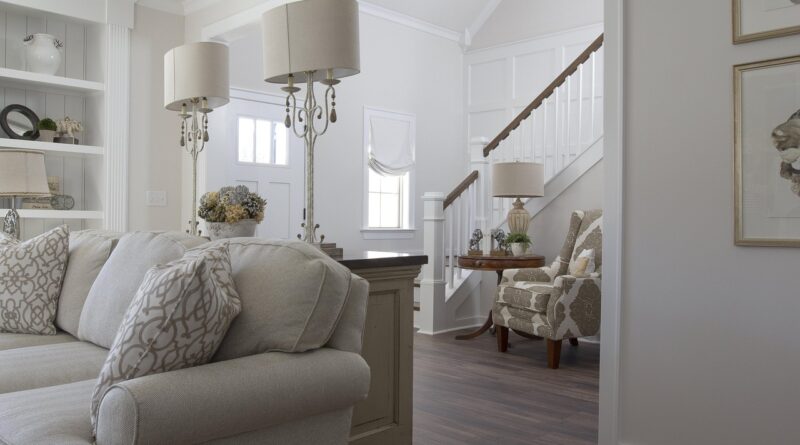
Shelf decor living room ideas for a balanced, lived-in home
How to approach living room shelf decor
A good shelf decor living room scheme starts with purpose, not decoration for decoration’s sake. Strong shelves combine useful storage, personal objects, negative space, and a few visual anchors so they support the room instead of competing with it.
Begin by deciding what the shelves need to do. They may need to display books, soften a media wall, frame a fireplace, organize daily-use items, or add character to a blank wall. Once the function is clear, use fewer pieces than you think you need, vary height and texture, and repeat a limited palette from the wider room. The goal is not a showroom shelf. It is a layered surface that feels intentional, easy to maintain, and connected to how the living room is actually used.
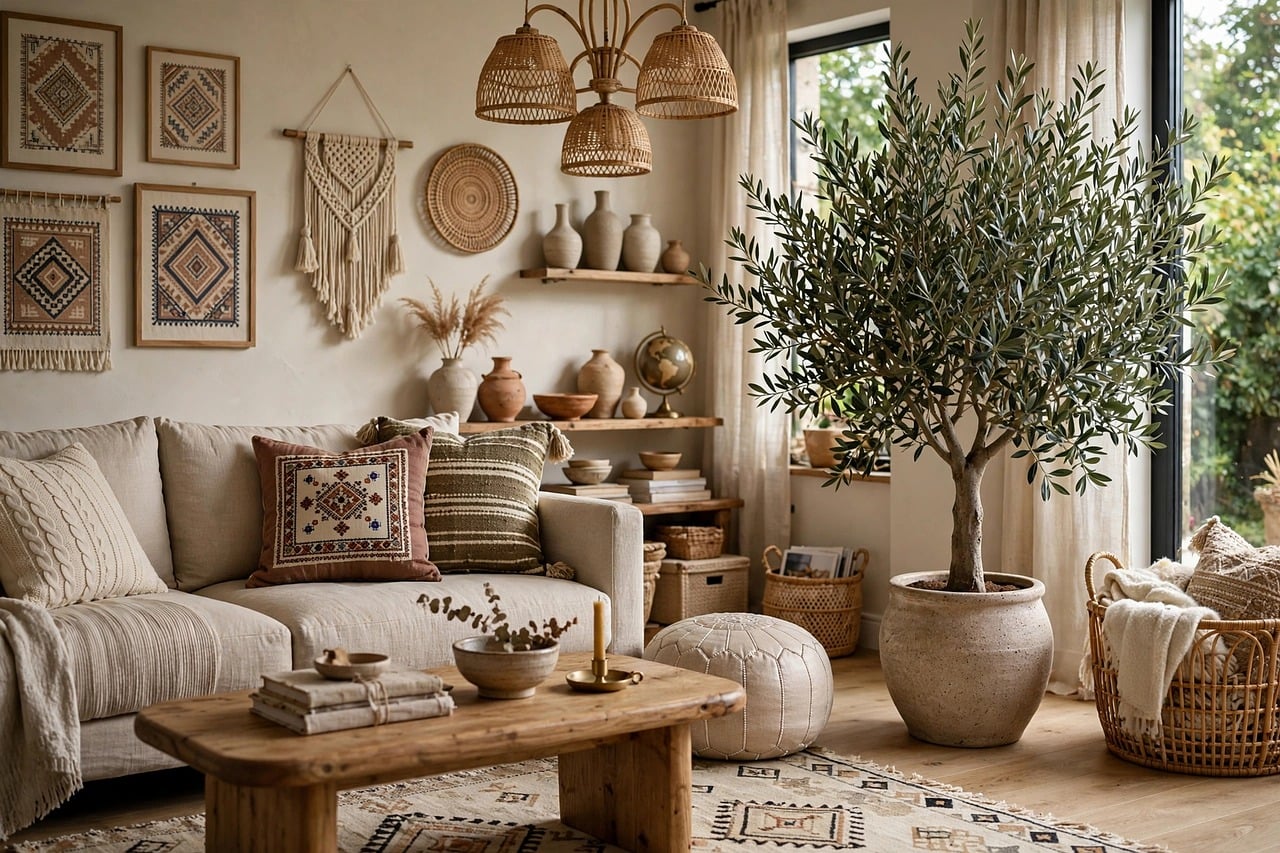
For more ideas across furnishings, accessories, and room styling, explore the Furniture & Decor section.
Start with the function of the shelf
Before choosing vases, books, frames, or baskets, identify the shelf’s role in the living room. A shelf beside a sofa may need to hold reading material, a small lamp, and a tray for remotes. Built-ins around a television may need to reduce the visual weight of electronics. Floating shelves over a console may be mostly decorative, while a bookcase in a family room may need to combine display with real storage.
This functional decision prevents a common problem: shelves that look attractive for a short time but fail in daily life. If the room is used for entertaining, leave space for serving pieces or small speakers. If children use the room, keep fragile ceramics higher and use closed baskets lower down. If the shelf is near the entry to an open-plan living area, include a bowl, box, or lidded container for small items that would otherwise become clutter.
Think of each shelf as having three possible jobs: display, storage, and visual transition. Display shelves highlight meaningful objects. Storage shelves hide or organize everyday items. Transition shelves connect furniture, wall color, art, and lighting so the room feels cohesive. Most successful living rooms need a mix of all three.
Build a clear visual structure
Good shelf styling may look relaxed, but it usually has a clear structure underneath. The simplest method is to place the largest items first. Oversized books, art, baskets, sculptural vessels, and framed pieces become anchors. They also stop the shelf from reading as a scattered collection of small objects.
After the anchors are in place, vary the height and width of the surrounding pieces. A tall vase beside a short stack of books creates a more natural rhythm than objects lined up at the same height. Grouping items in uneven numbers can help, but it should be treated as a flexible design tool rather than a fixed rule. A pair of matching objects can work well if the rest of the shelf has movement and variation.
Negative space matters as much as the objects themselves. Empty areas give the eye a place to rest and make individual pieces feel more considered. If every inch of a shelf is filled, even attractive objects can start to look like clutter. For open shelving in a living room, leaving part of a shelf open is often stronger than adding one more accessory.
Use a simple styling sequence
- Remove everything from the shelf so you can see the proportions clearly.
- Place the largest functional or decorative items first.
- Add books horizontally and vertically to create height changes.
- Layer smaller objects in front of larger pieces without blocking them completely.
- Step back from across the room and adjust for balance, not symmetry alone.
- Edit out anything that feels repetitive, too small, or disconnected from the room.
Choose objects with contrast and connection
The most effective shelf decor usually has both contrast and connection. Contrast keeps the display from looking flat. Connection keeps it from looking random. Contrast can come from material, shape, finish, and scale. Matte ceramics can sit near glossy glass, woven baskets can soften metal frames, and a round bowl can break up the straight lines of books and shelving.
Connection comes from repetition. Repeat one or two colors already present in the living room, such as the sofa fabric, rug, curtains, artwork, or wood tone. This does not mean every item should match. A shelf with cream, walnut, black, and muted green can feel cohesive if those tones appear elsewhere in the room. A shelf with many unrelated accent colors is harder to integrate unless the whole room is intentionally eclectic.
Books are especially useful because they add color, texture, and personal meaning. Use them both upright and stacked. A horizontal stack can lift a small object, while upright books add vertical rhythm. If book spines introduce too much color, group them by tone or place calmer covers in the most visible areas. Avoid turning all books backward purely for appearance if the shelf is meant to be used; a well-designed room should still be readable and practical.
| Decor element | What it adds | Best use on living room shelves |
|---|---|---|
| Books | Color, height, personality | Stacked under small objects or grouped upright |
| Ceramics | Shape and handmade texture | As anchors or quiet sculptural pieces |
| Baskets and boxes | Storage and warmth | Lower shelves or areas that collect clutter |
| Framed art | Layering and visual depth | Leaning against the back of deeper shelves |
| Plants | Softness and organic form | Near natural light or as realistic low-care greenery |
| Lighting | Ambience and focus | Small lamps, picture lights, or integrated shelf lighting |
Work with shelf type and room layout
Different shelf types need different styling decisions. Built-in shelves can usually handle larger groupings because they often cover a full wall and become part of the architecture. Floating shelves need more restraint because every object is exposed, and the brackets or wall space around them may already create strong horizontal lines. Freestanding bookcases offer flexibility, but they can look busy if each shelf is styled independently without a shared palette.
For built-ins around a fireplace, treat the fireplace as the center of gravity. The shelves do not need to mirror each other exactly, but the visual weight on each side should feel comparable. If one side has a large framed print, the other might need a tall vase, a stack of books, or a basket to create balance. Around a television, use quieter objects and darker or more matte finishes to reduce competition with the screen.
For floating shelves, fewer objects usually look stronger. Because floating shelves often have less depth, use slim frames, small bowls, trailing plants, and compact stacks of books. Avoid placing too many heavy-looking pieces on a narrow shelf. Even when the shelf is structurally secure, the composition can feel top-heavy.
For open bookcases, distribute visual weight from top to bottom. Heavier baskets, storage boxes, and large books often feel more grounded on lower shelves. Lighter pieces, framed photographs, and small ceramics can sit higher. If the bookcase reaches close to the ceiling, leave some open space on the upper shelves so the furniture does not feel visually compressed.
Layer lighting, art, and greenery carefully
Lighting can make shelves feel integrated into the living room rather than simply filled with objects. A small table lamp on a shelf, a picture light above built-ins, or concealed lighting in custom shelving can create depth in the evening. If wiring is not available, battery-operated accent lights may offer flexibility, but the finish and color temperature should suit the room rather than feel like an afterthought. See also: Building Styles.
Art gives shelves a more collected look. Leaning a framed piece against the back of a shelf creates depth and helps break up vertical rows of objects. This works best on deeper shelves where the frame is stable and unlikely to be knocked forward. Small works on paper, family photographs, textile fragments, and simple abstract prints can all work if they relate to the color story of the room.
Greenery is useful because plants introduce irregular, organic shapes. A trailing plant can soften the edge of a high shelf, while a compact plant can fill a gap without adding another hard object. Plant choice should still match the available light and the household’s maintenance habits. If the shelf is far from a window or difficult to water, a realistic faux stem or preserved branch may be more practical than a struggling live plant.
Avoid common shelf styling mistakes
One of the most common mistakes is using objects that are too small. Many living room shelves are viewed from across the room, so tiny accessories can disappear visually and create a scattered effect. If you love small objects, place them together on a tray, inside a shallow bowl, or in front of a larger anchor so they read as one composition.
Another mistake is decorating each shelf as a separate scene. The full bookcase or wall should be considered as one composition. Step back regularly and check whether the eye moves comfortably across the whole arrangement. If one area feels crowded and another feels empty, shift objects before buying anything new.
Over-theming can also make shelves feel forced. Coastal, rustic, modern, traditional, and organic styles can all work, but the strongest rooms rarely rely on one obvious motif repeated too many times. Instead of filling a shelf with shells for a coastal room, for example, use texture, pale tones, weathered wood, and one or two meaningful coastal objects. The result is usually more refined and less predictable.
- Avoid filling every gap just because space is available.
- Do not rely only on small decorative objects.
- Keep everyday storage attractive but accessible.
- Repeat colors and materials without making every item match.
- Check the shelf from normal seating positions, not only up close.
- Edit seasonally so the display does not become stale or dusty.
Create a styling plan before buying new decor
A shelf refresh does not have to start with shopping. In many homes, the best pieces are already present but scattered across different rooms. Gather books, framed photos, bowls, trays, ceramics, small lamps, baskets, and meaningful objects in one place before deciding what is missing. This helps prevent duplicate purchases and makes the final display feel more personal.
Once you see what you own, make a short list of gaps. You may need one taller object, one storage basket, one darker accent, or one piece of art at the right scale. Buying to solve a specific design problem usually produces better results than buying a group of small decorative items. If the shelf still feels incomplete after editing, the issue may be scale or lighting rather than the number of objects.
Seasonal updates should be subtle unless the living room is intentionally decorated for a holiday. Replace a few stems, rotate books, add a warmer candleholder, or swap a textile-covered box rather than rebuilding the entire shelf. This keeps the room fresh while preserving the structure that already works.
Frequently asked questions
How do I decorate living room shelves without clutter?
Start with fewer items, use larger anchor pieces, and leave visible empty space. Group small objects together instead of spreading them across the shelf. Baskets, boxes, and trays can hide everyday clutter while still looking intentional.
What should I put on shelves beside a TV?
Use quieter objects that do not compete with the screen, such as books, matte ceramics, baskets, and simple framed art. Avoid overly reflective pieces or dense arrangements directly beside the television, especially if the TV is the main focal point.
Should living room shelves be symmetrical?
They can be symmetrical, but they do not have to be. Balanced asymmetry often feels more natural in a lived-in room. The key is to distribute visual weight through scale, color, and object placement rather than matching every shelf exactly.
How often should I restyle shelves?
Restyle when the shelves stop supporting how the room is used. A light seasonal edit a few times a year is usually enough. The best reason to change a shelf is not trend pressure, but improved function, easier maintenance, or a better connection to the room.
How can I make inexpensive shelf decor look better?
Focus on scale, texture, and restraint. Simple baskets, secondhand books, ceramic bowls, framed prints, and found natural objects can look refined when they are arranged with space around them and tied to the room’s color palette.
The takeaway
Living room shelf decor works best when it combines beauty with purpose. Start with the shelf’s function, create a simple structure, vary height and materials, and leave enough negative space for the arrangement to breathe. A shelf should reveal something about the home and the people who live there while still supporting everyday use. When the styling feels balanced from across the room and practical up close, the shelf is doing its job.