
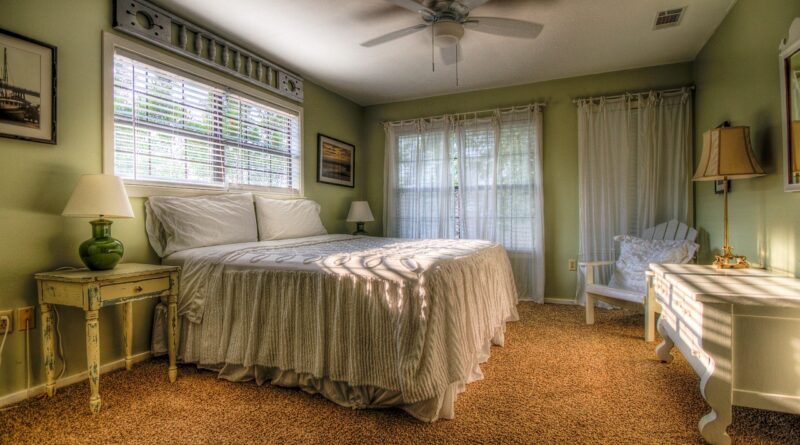
Sage green bedroom furniture ideas for a calm, layered room
Why sage green works in a bedroom
Sage green bedroom furniture works best when the color is used as a quiet anchor, not as a theme. It sits between green, gray and, depending on the shade, a small amount of blue or yellow. That range lets it soften a bedroom without looking sugary, cold or overly rustic. A considered scheme usually starts with one or two sage pieces, then balances them with natural wood, warm neutrals, textured bedding and a small amount of contrast.
Recent home design reporting from Houzz and the National Kitchen and Bath Association has pointed to muted greens, natural materials and layered color as broader residential design signals. The practical appeal of sage is more durable than a single trend, though: it is restful, adaptable and generally easier to live with than brighter greens.
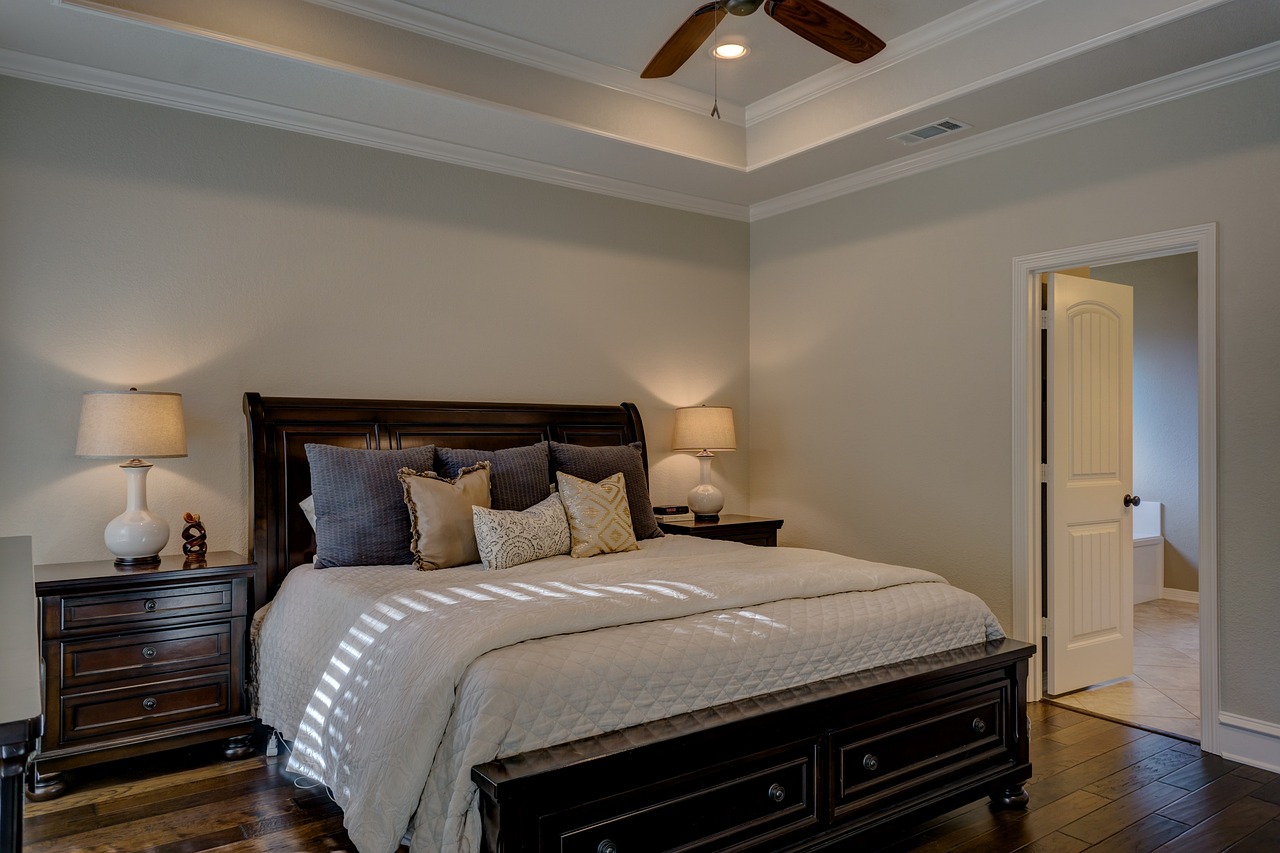
That balance matters in a bedroom. A color that looks charming on a small decor object can feel heavy across a full dresser wall. A shade that looks soft in daylight may turn gray under evening lamps. The goal is not to buy every piece in the same green finish. It is to decide where sage should carry the room visually, then give the space enough texture and breathing room to feel grown-up.
Choose which furniture piece should carry the color
The simplest way to use sage is to give it a clear role. Most bedrooms have several large visual blocks: the bed, storage pieces, nightstands and sometimes a bench, chair or vanity. If all of them are painted the same green, the room can quickly feel flat. If one or two pieces are sage, the color reads as intentional rather than accidental.
Bed frames and headboards
A sage upholstered headboard is often the most forgiving choice because fabric absorbs light and softens the color. Linen, cotton blends, velvet and boucle each change the effect. Linen feels relaxed and airy. Velvet makes sage deeper and closer to a boutique-hotel look. Boucle adds texture, although it can look bulky if the headboard is oversized. In a small room, a low or gently arched sage headboard can keep the bed calm without visually lowering the ceiling.
Dressers and wardrobes
A sage dresser, chest or wardrobe makes a stronger statement because it creates a large painted plane. This works especially well with white, cream, plaster, oatmeal or pale mushroom walls. If the walls are already green, a natural oak or walnut dresser may be the better counterweight, with sage reserved for the bed or an accent chair. For tall storage, simple door fronts and restrained hardware usually work best. Brass, aged bronze, matte black and wood pulls can all suit sage, while very glossy gold hardware may make the color feel more decorative than restful.
Nightstands, benches and accent chairs
Nightstands are a practical entry point for anyone who wants color without committing to a large green bed or dresser. A pair of sage nightstands can frame a neutral bed, while a single sage chair or bench can carry the color into a reading corner. In rental homes or transitional bedrooms, these smaller pieces are also easier to replace or repaint later.
Pick the right shade, finish and material
Sage is not one fixed color. Some versions lean gray and minimal. Others lean yellow and herbal. Some sit close to eucalyptus, while others move toward olive. Before choosing furniture, compare the undertone against the wall color, flooring and bedding in morning light, afternoon light and warm evening lamp light.
| Sage direction | Best use | What to pair it with | What to avoid |
|---|---|---|---|
| Gray sage | Modern bedrooms, minimalist rooms and cooler light | Ivory, charcoal, pale oak, brushed nickel | Too much gray bedding, which can make the room feel washed out |
| Blue sage | Coastal, cottage and calm contemporary rooms | Warm white, flax linen, rattan, soft navy | Very icy white walls if the room gets little natural light |
| Yellow sage | Warm bedrooms with cream walls or golden wood floors | Oatmeal, walnut, terracotta, antique brass | Cool gray carpet, which can make the green look muddy |
| Olive sage | Moody bedrooms, vintage schemes and rooms with darker wood | Tobacco leather, beige, bronze, clay, deep cream | Using it on every large piece unless the room is spacious |
Finish is just as important as shade. Painted wood or MDF gives dressers and nightstands a clean furniture look. Upholstery feels softer and is usually better suited to headboards or benches. Lacquered sage can look polished, but high gloss shows fingerprints and may feel too formal for a bedroom. Distressed sage can work in cottage interiors, but it needs restraint; too much distressing can make a new room look artificially aged.
Material quality affects how long the piece will stay attractive. Solid wood, wood veneer and well-made plywood usually offer better durability than very low-cost particleboard. Composite wood is common in furniture, so buyers should review construction details, drawer slides, edge banding and finish quality rather than judging by color alone. The U.S. Environmental Protection Agency notes that composite wood products such as hardwood plywood, MDF and particleboard are used in furniture and can involve formaldehyde-based resins, making labels, manufacturer specifications and ventilation after delivery practical considerations.
Build a palette around sage rather than matching everything
The easiest palette mistake is repeating sage too many times. A stronger bedroom treats it as one layer among neutrals, wood, fabric and small accent colors. Used this way, sage becomes a bridge between nature-inspired tones and practical bedroom materials.
- Sage with warm white and oak: A dependable combination for a calm, modern bedroom. Use sage on the headboard or nightstands, oak on the dresser, and warm white on walls or bedding.
- Sage with cream, walnut and bronze: This creates a richer, older-home feeling. It works well with olive sage, linen curtains and traditional lamps.
- Sage with dusty rose or muted mauve: This pairing adds softness without turning the room pastel. Keep the pink tone dusty rather than bright.
- Sage with terracotta and clay: These earthy accents make the green feel warmer. Use terracotta in a rug, ceramic lamp or pillow rather than across every surface.
- Sage with soft blue: Blue and green can work together when both are muted. Add natural fiber rugs or warm wood so the scheme does not become cold.
Lighting will change all of these pairings. North-facing rooms often make sage look cooler and grayer, so warm whites, beige linen and wood tones help. South-facing rooms can handle slightly darker sage because natural light will lift the color. East-facing rooms may look fresh in the morning and dull later in the day, making layered lamps important. West-facing rooms can make yellow sage glow in the evening, which works best when the rest of the palette stays restrained.
Make the furniture layout feel intentional
Sage furniture should not feel scattered around the room. Repetition still matters, but it should be subtle. If the bed is sage, repeat the color once in art, a patterned pillow or a lamp base. If the dresser is sage, pick it up in a bed throw or rug pattern. This creates a visual thread without turning the bedroom into a matched set.
Scale matters as much as color. A large sage wardrobe can dominate a small bedroom, especially if it faces the bed. In compact rooms, keep the tallest storage close to the wall color or a wood tone, and use sage on lower pieces. In larger rooms, a sage bed can become the focal point, particularly against a warm white or plaster-colored wall. See also: Building Styles.
For more interior planning ideas across materials, furniture and decorative choices, visit the Furniture & Decor section.
Check durability, indoor air and safety before buying
Color should not be the only decision. Bedroom furniture is touched daily, moved during cleaning and often expected to last for years. Painted finishes should be smooth at the edges, not only on the front panels. Drawers should open cleanly and sit square in the frame. Upholstered headboards should have tight seams, stable legs and fabric that can handle regular contact with hair products, skin oils and dust.
If you are buying painted sage storage, ask whether the finish is factory-applied, hand-painted or sprayed after assembly. Factory finishes are often more consistent. Hand-painted furniture can have character, but it may show brush marks and require more careful maintenance. For upholstered pieces, request a fabric sample if possible and test it beside the bedding and wall color.
Indoor air quality is another practical issue. EPA consumer guidance identifies hardwood plywood, MDF and particleboard as regulated composite wood categories under federal formaldehyde standards. That does not mean all engineered furniture is unsafe. It does mean shoppers should read labels, look for compliance information and ventilate rooms after new furniture arrives. Low-odor, low-VOC finishes are especially worth considering in bedrooms because the space is used for long periods at night.
Safety is equally important. The U.S. Consumer Product Safety Commission advises anchoring dressers, chests and other top-heavy furniture, particularly in homes with children. Newer clothing storage furniture in the United States is subject to federal stability requirements, but anchoring remains a sensible step because open drawers, uneven floors and climbing can still create risk. A beautiful sage dresser should also be a secure dresser.
Sustainability claims should be read carefully. FSC-labeled wood products support responsible forestry through certification and chain-of-custody systems, according to the Forest Stewardship Council. Reclaimed wood, durable secondhand pieces and repairable furniture can also be strong choices. A long-lasting dresser in a restrained sage finish is often more sustainable than a trend-driven piece that will be replaced quickly.
Common mistakes to avoid
- Buying a full matching set too quickly: A sage bed, dresser, wardrobe and nightstands can make the room look like a showroom. Mix sage with wood or neutral pieces instead.
- Ignoring undertone: A gray sage dresser may clash with yellow cream walls, while a yellow sage headboard may look muddy against cool gray paint.
- Using only flat textures: Sage needs linen, wood grain, wool, rattan, ceramic or metal to feel layered.
- Choosing hardware as an afterthought: Hardware can push sage toward modern, vintage, farmhouse or traditional. Keep it consistent with the rest of the room.
- Forgetting maintenance: Matte painted finishes can scuff, velvet can mark and pale upholstery can stain. Choose the material for the way the room is actually used.
Frequently asked questions
Is sage green bedroom furniture still a good idea if trends change?
Yes, if the piece has a simple shape and the room is not overly themed. Sage works because it behaves like a softened neutral. Avoid novelty shapes and overly distressed finishes if you want the furniture to feel longer lasting.
What wall color goes best with sage green furniture?
Warm white, cream, soft taupe, pale mushroom and muted plaster tones are the most flexible choices. For a deeper room, try beige-gray or a very soft clay tone. Bright white can work, but it may make sage look sharper and cooler.
Should the bed or dresser be sage green?
Choose the bed if you want the color to feel soft and central. Choose the dresser if you want a stronger furniture statement and the bed will stay neutral. In small rooms, sage nightstands or a bench may be enough.
What wood tones work with sage green?
White oak, natural oak, ash and light maple keep the room airy. Walnut and darker oak make sage feel richer and more traditional. Avoid mixing too many wood species unless the palette is deliberately eclectic.
Can sage green furniture work in a modern bedroom?
Yes. Use a clean-lined bed, slab-front nightstands or a simple dresser, then pair sage with warm white walls, minimal bedding, black or bronze lighting and one natural texture such as oak or wool.