
Is a Mid Century Modern Barndominium the Future of Residential Design
What Defines a Mid Century Modern Barndominium?
The phrase “mid century modern barndominium” may seem odd at first glance. Barndominiums bring to mind sturdy metal frames and wide-open insides, much like old farm buildings. Mid-century modern, on the other hand, draws from the hopeful spirit after World War II, with its sharp lines and simple shapes. Yet this mix of styles is catching on fast. It blends the tough, everyday strength of a barn-like build with the lasting charm of mid-century ideas.
Architectural Fusion of Industrial and Modernist Elements
A mid century modern barndominium blends the basic shapes of factory-style barns with the key looks of mid-century homes. These include flat surfaces, big glass areas, and a close tie to the outdoors. Builders often start with a strong steel frame or pole-barn base. Then they add the classic touches of mid-century style. Think of slanted roofs, high side windows, and a mix of wood, rock, and cement.
Rather than covering up the building’s skeleton, it turns into a main feature. Picture visible beams that serve as bold accents. Or wavy metal sides paired with cozy cedar boards. In the end, you get a home that feels solid yet looks ahead.
Emphasis on Functionality and Simplicity
Practical use sits at the core of barndominiums and mid-century homes alike. The wide-open layouts in barndominiums match well with mid-century focus on smooth movement and clear purpose. You might see a main living area that links right up to eating and cooking spots. Private rooms or upper levels branch off from there.
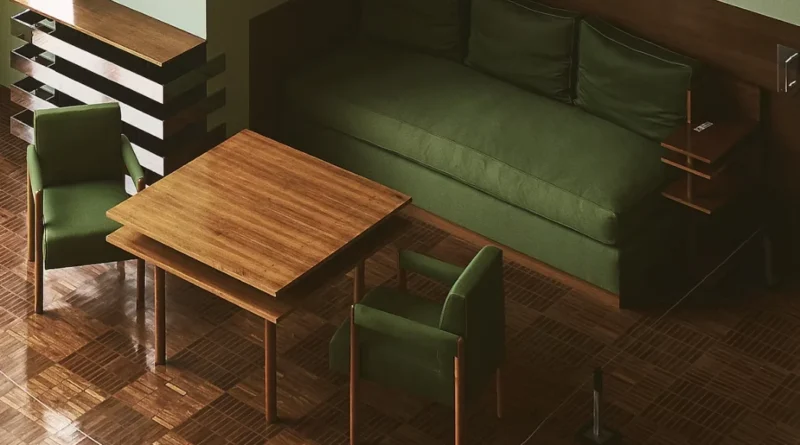
Extra decorations stay few and far between. Builders highlight plain materials in their natural state. Smooth cement floors, metal-framed panes, and plain wood walls work well. These homes make their point through careful sizes, bright light, and differences in textures, not fancy edges.
Integration with Natural Surroundings
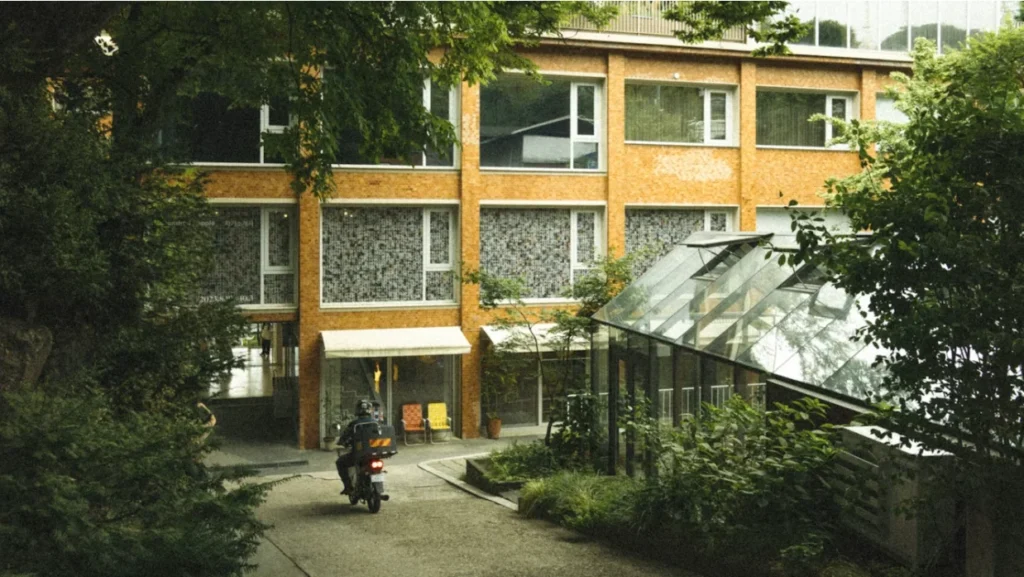
Big windows do more than add style. They pull in daylight and link inside areas to the outside world. In a solid mid century modern barndominium, expect tall glass walls from floor to ceiling. They frame sights of woods, open fields, or hill views.
Outside spots extend the house itself. Roofed decks, open yards, and even low patios create real inside-outside flow. Everyday items like rock fireplaces, reused wood covers, or rough stone paths tie the home to its spot. I recall one build in the Midwest where the owners added a small pond view through those windows—it made mornings feel magical, though it took extra planning to keep bugs out.
How Does This Style Address Contemporary Housing Needs?
People’s daily lives are changing. Land prices keep climbing, and more folks work from home these days. Homeowners wonder what kind of place fits their routine. The mid century modern barndominium offers more than good looks. It matches up well with today’s living habits.
Adaptability to Diverse Lifestyles
These houses handle many roles in one space. Want a quiet work corner? The open design lets you add a desk area without hassle. Family growing with older relatives or grown kids? The broad base of a barndominium makes room for a guest unit or side door. It keeps the main flow intact.
Change comes easy to the build. Fewer inside walls hold up the weight, since the outer steel frame does the job. So you can shift rooms around later. No big fixes needed. For example, a family in Colorado turned a loft into a playroom for toddlers, then later made it a study—simple swaps that saved them thousands.
Efficient Use of Space and Resources
By cutting out extra bits and sticking to basic plans, mid century modern barndominiums give more room to use per square foot than old-style houses. This smart setup helps during building too. Ready-made metal kits cut down on scraps and speed up the work. They beat out wood-built homes by weeks or months.
Power use drops thanks to good placement and simple heating setups. Forget huge houses with empty fancy rooms. These spots focus on areas people really use. They light and warm just those parts. In my view from reading builder reports, one 2,000-square-foot model used 30% less energy than a nearby traditional home—real savings on bills.
Alignment with Sustainable Design Principles
Green living means more than talk in this style. Basic parts like sun-facing layouts, smart window spots, reused or earth-friendly items, and local plants all lead to less harm to the planet.
Owners often add sun panels on low roofs. Or they pick SIPs for better wall warmth. Floor heat and small air units fit the tight designs nicely. Take a project in Texas: they used recycled metal siding, dropping costs by 15% while keeping the look sharp.
Why Is There Growing Interest in This Architectural Hybrid?
This design hits a sweet spot between old memories and new needs. It echoes the bright hopes of America after the war. At the same time, it fixes housing issues in our time.
Appeal to Aesthetic Nostalgia with Modern Utility
Mid-century modern never fully faded. Lately, it’s back strong, linked to a warm feeling for easy days and positive vibes. When mixed with the plain roots of a barndominium, it feels known but new.
The outcome stays fresh, not old-fashioned. Imagine dark walnut shelves beside shiny steel. Or angled roofs over a plain cement deck. A split roof funnels rain to a yard of local flowers. It’s the kind of setup that makes guests linger, chatting about how it reminds them of grandma’s cabin but way cooler.
Customization Potential for Homeowners
Most barndominiums come from kits or owner builds that allow tweaks. So people get lots of choice in setup and surfaces. Crave warm floors? A basic cook’s kitchen? A low living room with speckled tiles? You can add them without clashing with the frame.
There’s room to nod to local tastes too. In Texas, a build might use local stone covers. In Oregon, dark-stained cedar fits the trees. One builder shared a story of a client in the Southwest who added adobe accents—blended right in, though it meant extra tests for weather hold-up.
Market Demand for Unique Residential Typologies
Shoppers tire of plain homes in new neighborhoods. A mid century modern barndominium stands out. It sparks talk at showings and tours.
Photos of these places pop online. Their strong shapes and earthy feels draw eyes on sites and feeds. Real estate agents note a 20% faster sale rate for unique builds like this, based on recent market data—proves the buzz is real.
Can It Compete with Traditional Residential Designs?
Mid century modern barndominiums go beyond trendy tries. They match old homes in price, toughness, and flexibility.
Cost-Effectiveness in Construction and Maintenance
Barndominiums run cheaper per square foot than wood homes. They use pre-made steel parts that need less work on the spot. Roofs stay metal—tough and easy to care for. Many skip needless halls or tricky bases.
Fixes come simple later. Steel avoids rot unlike wood. Choices lean toward long-lasting over flashy. A quick example: one owner in the Plains fixed a leak in hours, not days, thanks to the open design.
Structural Versatility for Varied Climates and Terrains
The main frame works in many weathers. From cold northern snows with good padding, to dry hot spots where thick walls control heat. They go up on flat bases, posts, or raised legs if the land demands it.
Modular parts fit weird lot shapes or small city gaps. Traditional plans often struggle there. In hilly areas, like parts of Appalachia, builders raise them on piers—handles floods without a hitch.
Scalability from Small Homes to Large Estates
Mid century modern barndominiums come in all sizes. From one-room huts to big five-room spreads with extra houses. The frame leaves inside walls free, so growth or shrink happens easy.
This suits changing families well. New babies, older folks joining, or turning a spot into a short-term rental. All without full rebuilds. Families often start small, say 1,200 square feet, then add on as life shifts—smart planning that pays off.
What Are the Design Challenges Associated with This Style?
On paper, this mix shines. But real builds bring some tough spots. Especially when chasing looks and use together.
Balancing Industrial Structure with Warmth of Modernism
A metal frame might come off chilly without care. That’s where picking right stuff counts big. Wood cabinets warm up beams. Smooth walls offset open pipes. Old-style lights soften cement grounds.
Done wrong, it turns into a storage shed feel, not a cozy nest. Builders learn this the hard way sometimes—I’ve seen one project redo the interiors after the first draft felt too stark.
Navigating Building Codes and Zoning Regulations
In spots new to odd homes, getting approval for a barndominium takes extra steps. Especially with unique stuff or plans. Some towns balk at non-standard wood builds or roof angles.
Team up with local pros who know the rules. Bring in builders with like projects early. It eases the way. In one case in a small town, it took three revisions, but the end result was worth the wait.
Ensuring Long-Term Durability Without Compromising Aesthetics
Steel lasts years. But it needs shields from water at joints or base seals. Big glass needs sun blocks and wise spots to skip heat buildup.
Each surface works hard: pretty today, strong tomorrow. No constant fixes or big swaps. Focus on quality pays—think 50-year roofs versus 20-year ones in standard homes.
How Does It Reflect Broader Trends in Residential Architecture?
This style marks bigger changes in home planning worldwide. It’s part of a wave.
Shift Toward Minimalism and Open Living Concepts
Crowded rooms and boxed spaces don’t click anymore. Wide plans that shift from zone to zone feel better. Use drops in floor or ceiling shifts for hints. They match real life: cook and talk at once. Kids study close by. Sounds carry without doors blocking.
Revival of Mid-Century Principles in Modern Contexts
Things like hanging steps, set-in shelves, or plant spots were once old news. Now they fit back in, but with fresh stuff and power smarts. It’s not blind copy of past stars. It’s smart updates. Like using LED lights in those built-ins—brings the vibe without the old energy waste.
Embrace of Alternative Construction Methods
Wood-frame houses stick around. But folks warm to options like container homes, small houses, and barndominiums. Quick builds and easy budgets draw young buyers shut out of usual paths. Industry stats show a 40% jump in alternative permits last year—clear sign of the shift.
Could This Be the Future Standard in Home Design?
If patterns stay, and land costs rise while young folks want more, this mix might turn common. Not rare anymore.
Alignment with Evolving Demographic Preferences
New buyers seek cheap but neat spots. Older couples want flat floors to grow old in, with style intact. This type fits both: smart insides in fine wraps.
Support from Advancements in Prefabrication Technologies
Kit parts improve fast. With built-in pipes or warm panels ready, builds get simpler and less pricey.
Firms once for farm folks now make city versions. Plans fit rules for easy filing. Soon, you’ll see them in suburbs too.
Potential Influence on Urban Infill and Rural Development Strategies
For empty city plots or farm owners tired of plain styles, this works. It bends to city or country needs. Could shape how places grow ahead. Imagine rows of these in edge towns—blends old land with new life.
FAQ
Q1: What is a mid century modern barndominium exactly?
A: It’s a home combining the industrial structure of a barndominium with mid-century modern design elements like clean lines, open plans, natural materials, and indoor-outdoor integration.
Q2: Are mid century modern barndominiums affordable to build?
A: Yes, they often cost less than traditional homes due to prefab steel framing systems and streamlined construction processes that reduce labor time and waste.
Q3: Can these homes be built in urban areas?
A: Absolutely—but zoning codes must be reviewed carefully since some municipalities may not be familiar with this hybrid style. Customized designs can help meet local requirements.
Q4: Do these homes hold up in harsh climates?
A: Yes—with proper insulation and weatherproofing techniques like SIPs or radiant barriers, they perform well in both hot and cold environments.
Q5: What size options are available?
A: Everything from compact 800-square-foot cabins to 4,000+ square foot estates is possible due to the flexible framing system used in most barndominium structures.