
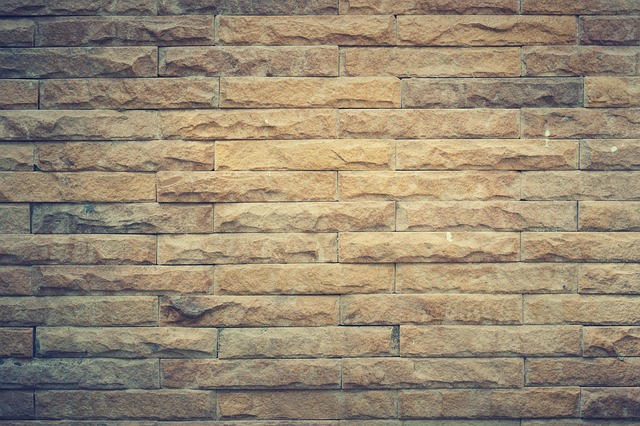
Is Facade Home Design Redefining Intricate Brickwork Aesthetics
The Evolution of Facade Home Design in Contemporary Architecture
The evolution of the facade home has mirrored the broader shifts in architectural thinking, where the exterior is no longer a mere boundary but a narrative surface. Over the last few decades, architects have reimagined facades as dynamic interfaces that express cultural identity, material innovation, and environmental responsiveness. In this context, intricate brickwork has emerged as both a nostalgic reference and a forward-looking medium for experimentation.
Shifting Paradigms in Exterior Aesthetics
Modern architecture treats the facade not just as an envelope but as a communicative layer. The aesthetic language of contemporary facades merges traditional craftsmanship with digital fabrication techniques that allow complex geometries and responsive surfaces. This shift moves emphasis from structural necessity to expressive design language, turning buildings into visual statements that reflect local culture and global innovation. The facade home today is often designed to capture light differently throughout the day, creating subtle variations that make the structure feel alive.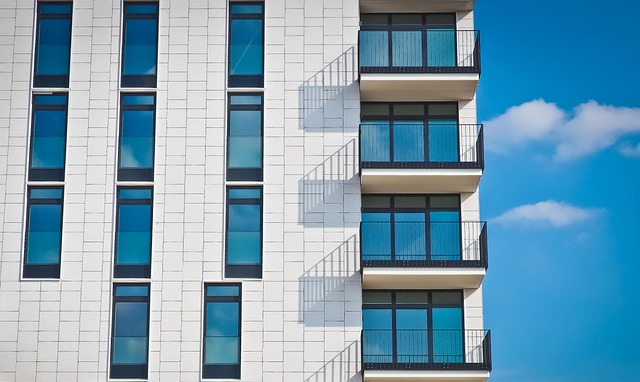
Architects now use materials and forms to tell stories about place and time. Whether through reinterpretations of vernacular motifs or through experimental assemblies using robotics, the modern facade has become an evolving medium of architectural expression.
The Resurgence of Brickwork in Modern Facade Design
Brickwork is experiencing a strong revival in contemporary architecture. Once valued primarily for its durability and cost-effectiveness, brick has been redefined as a tool for texture, rhythm, and depth. Its tactile quality makes it ideal for adding warmth to minimalist compositions. For example, projects like Caruso St John’s Newport Street Gallery or Herzog & de Meuron’s Elbphilharmonie show how brick can convey both solidity and delicacy.
Advances in bonding patterns and modular systems have expanded what was once thought possible with masonry. Architects now use staggered bonds, perforations, or rotated modules to create facades that breathe, filter light, or even act as shading devices. Brick becomes more than construction—it becomes communication.
Material Innovation and Technological Integration in Brick Facades
As architectural technology advances, brick facades are no longer limited by manual repetition or rigid geometry. Digital tools allow architects to model intricate patterns with precision while maintaining the tactile authenticity of hand-laid masonry.
Digital Fabrication and Parametric Design Techniques
Parametric design enables architects to explore endless variations in form while keeping control over performance aspects such as ventilation or daylighting. Computational models simulate how light interacts with surfaces at different times of day, guiding decisions about openings or protrusions. Robotic bricklaying systems further extend these possibilities by executing complex geometries with millimeter accuracy—something nearly impossible through manual labor alone.
These technologies don’t eliminate craftsmanship; they enhance it. Many studios combine algorithmic modeling with on-site adjustments by masons who interpret digital drawings through their own experience. This hybrid approach keeps human touch central even within high-tech workflows.
Sustainable Approaches to Brick Facade Construction
Sustainability now drives much of facade innovation. Recycled clay bricks or low-energy kilns reduce carbon emissions during production. Some architects reuse existing brick walls by integrating them into new structures—a practice that preserves embodied energy while maintaining historical continuity.
Brick’s natural thermal mass also supports passive design strategies by stabilizing indoor temperatures without mechanical systems. In climates with wide temperature swings, thick masonry walls can absorb heat during the day and release it at night, reducing energy consumption while improving comfort levels inside facade homes.
The Interplay Between Form, Function, and Perception in Facade Homes
The facade home operates at the intersection of performance and perception—its form affects not only how it looks but how it feels to inhabit. Every variation in texture or depth influences shadow play and spatial experience.
The Role of Facade Articulation in Spatial Experience
Layered facades create nuanced transitions between interior privacy and exterior openness. A perforated brick screen might filter sunlight into soft patterns across interior walls while concealing occupants from direct view outside. Such articulation transforms static walls into dynamic mediators between public and private realms.
Texture plays a similar role: rough surfaces invite tactile engagement; smooth planes reflect light sharply; deep joints emphasize shadow depth. As daylight shifts across these surfaces, the building appears to change character—subtle yet perceptible differences that enrich daily life within.
Contextual Integration within Urban Environments
In dense urban settings, brick facades help blend new constructions with older surroundings without resorting to imitation. Their earthy tones resonate naturally with historical districts while allowing modern detailing like recessed joints or metallic accents.
Local sourcing strengthens this relationship further: using regionally produced bricks not only reduces transportation emissions but also reinforces regional identity through color variation unique to local clays. Moreover, climate-responsive modulation—thicker walls for colder regions or ventilated cavities for humid zones—ensures functionality aligns with environmental conditions rather than arbitrary aesthetics.
Redefining Aesthetic Complexity Through Craftsmanship and Technology
As digital tools reshape design processes, craftsmanship gains renewed importance as a counterbalance to automation’s precision. The dialogue between human skill and machine accuracy defines much of today’s most compelling architecture.
Balancing Artisanal Techniques with Computational Precision
Hybrid workflows combine algorithmic logic with manual intuition. Custom molds fabricated via 3D printing enable unique brick shapes that masons then assemble by hand into continuous patterns across curved surfaces. This collaboration yields results neither discipline could achieve alone—a balance between control and spontaneity.
Skilled masons reinterpret traditional bonds like Flemish or English bond through parametric scripts that vary spacing or rotation based on environmental data such as sun angles or wind direction. The result is architecture rooted in tradition yet unmistakably contemporary.
Visual Narratives Embedded in Material Expression
Irregular brick arrangements can evoke movement akin to fabric folds or geological strata—patterns that suggest organic growth rather than rigid orderliness. Subtle color gradations achieved through firing variations add dimensionality without disrupting cohesion across large elevations.
These surface manipulations turn buildings into storytelling media where every shadow contributes meaningfully to perception. When sunlight grazes uneven courses at dusk, you sense time passing across material—a reminder that architecture lives through its interaction with nature.
Future Directions in Intricate Brickwork Facade Design
Looking ahead, intricate brickwork will continue evolving alongside materials science and computational design research. Emerging technologies promise adaptive facades capable of responding dynamically to their environments while retaining tactile authenticity.
Emerging Trends Influencing Design Methodologies
Responsive materials embedded within masonry could soon adjust porosity based on humidity levels or temperature changes—an idea already explored experimentally by several European research labs since 2022 (source: Architectural Research Quarterly). Collaboration among architects, engineers, software developers, and fabricators will be key to translating these prototypes into viable construction methods.
Hybrid systems combining brick with glass fins or metal panels are gaining traction too; they balance opacity with transparency while maintaining thermal efficiency—a crucial factor for urban high-density housing projects where daylight access is limited.
Long-Term Implications for Architectural Identity and Sustainability
The ongoing evolution of facade typologies challenges conventional definitions of ornamentation by merging decoration with performance metrics like energy retention or acoustic buffering. Sustainable innovation ensures longevity without sacrificing beauty—a principle increasingly central to public architecture competitions worldwide since 2020 according to data from ArchDaily Trends Report (2023).
Intricate brickwork remains one of the few mediums capable of bridging technological progress with human touch—a physical record of both digital precision and manual care etched permanently into our built environment.
FAQ
Q1: What defines an intricate brickwork facade?
A: It refers to masonry patterns designed using advanced computational tools combined with traditional laying techniques to create visually complex yet functional surfaces.
Q2: Why is brick still relevant for modern facade homes?
A: Brick offers durability, thermal stability, low maintenance needs, and aesthetic warmth unmatched by synthetic materials while supporting sustainable practices like reuse or recycling.
Q3: How does parametric design influence facade construction?
A: Parametric modeling allows precise manipulation of geometry based on performance data such as sunlight angles or airflow requirements, enabling highly customized designs efficiently executed via robotic assembly.
Q4: What are some sustainable benefits of using brick?
A: Bricks made from recycled content reduce waste; their natural thermal mass cuts energy demand; locally sourced clay minimizes transport emissions—all contributing toward greener construction cycles.
Q5: How do future trends impact architectural identity?
A: As responsive materials evolve and hybrid systems proliferate, facades will increasingly express both technological sophistication and contextual sensitivity—reshaping how cities communicate their cultural narratives through architecture.