
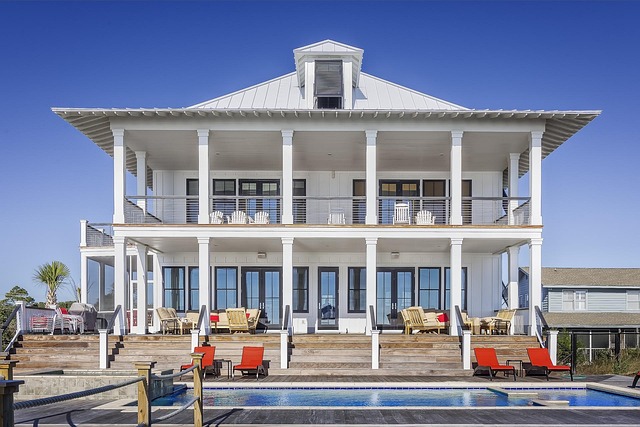
How Facade Home Design Influences the Aesthetic of Intricate Brickwork
The Architectural Relationship Between Facade Design and Brickwork
The relationship between facade design and brickwork lies at the intersection of structural logic, material expression, and visual storytelling. When you look at a well-designed facade home, what you’re really seeing is the dialogue between geometry, texture, and light. Every decision—from the bond pattern to the mortar color—affects how the building breathes and communicates with its surroundings. In contemporary architecture, intricate brickwork facades serve as both a technical achievement and a cultural statement, merging craftsmanship with digital precision.
The Facade as a Visual Framework?
A facade is more than a building’s outer shell; it’s an organizing framework that defines rhythm, proportion, and spatial perception. It dictates how viewers read depth and scale across elevations. In many modern facade home projects, architects use brick as a medium to express order through repetition while allowing subtle variations to create liveliness across the surface.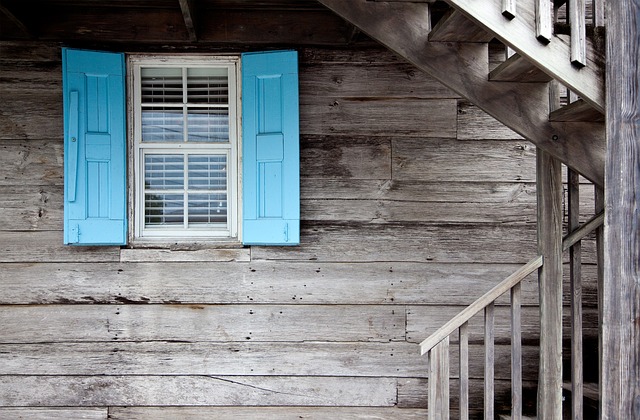
The Facade Establishes the Visual Hierarchy and Rhythm of a Building
The visual hierarchy of a facade depends on how elements such as windows, piers, and cornices are arranged. Brick coursing follows this structure, creating visual continuity. The rhythm may come from alternating vertical and horizontal patterns or from slight protrusions that catch light differently throughout the day.
It Defines How Brickwork Patterns Are Perceived in Proportion and Scale
Brick dimensions inherently influence proportion. A long-format brick elongates horizontal lines, while standard modules emphasize solidity. When scaled correctly, these proportions align with human perception—neither overwhelming nor trivializing architectural features.
Material Selection and Surface Articulation Influence Depth, Texture, and Shadow
Material choice shapes tactile experience. Coarse bricks absorb light softly; smoother finishes reflect it sharply. Architects often articulate surfaces through recessed joints or patterned projections to manipulate shadow depth across the day’s changing light angles.
The Role of Structural Composition in Brickwork Expression?
Brickwork expression is inseparable from structural composition. Structural members—lintels over openings, load-bearing piers, or projecting cornices—dictate how bricks are laid out and bonded together. Their geometry becomes part of the aesthetic language rather than hidden behind finishes.
Structural Elements Such as Lintels, Piers, and Cornices Guide Brick Layout
Each structural feature introduces constraints that guide patterning. A lintel might require reinforced bonding above openings; piers may use alternating brick orientations to express strength visually.
Bonding Techniques Affect Visual Coherence
Bonding systems like Flemish or English bonds generate distinct rhythms by alternating headers and stretchers. Stack bonds emphasize vertical alignment but need reinforcement for stability. Each technique contributes differently to facade coherence depending on design intent.
Integration of Structural Geometry With Aesthetic Composition Creates Architectural Unity
When geometry aligns with aesthetic intent—arches following load paths or pilasters expressed through brick modulation—the result feels unified rather than decorative. This synthesis turns functional necessity into compositional beauty.
Materiality and Texture: Interplay Between Brick and Facade Elements
Materiality defines how you experience a facade home. Texture invites touch even before contact happens visually; it signals warmth or precision depending on treatment. The interplay between brick type, mortar detail, and joint profile determines whether a wall reads as monolithic or intricate.
The Influence of Brick Type on Facade Character
Different bricks tell different stories. Handmade bricks carry irregularities that humanize large surfaces; machine-made units offer crisp uniformity suited for minimalist facades. Glazed bricks reflect sunlight vividly while matte ones diffuse it gently—each altering how color behaves under natural conditions.
Surface Treatments and Joint Detailing
Mortar joints may seem secondary but they define shadow play across surfaces. Thin flush joints produce sleek continuity; recessed joints create micro-shadows enhancing relief depth; raked joints emphasize linearity along courses. Precision here communicates craftsmanship—the difference between ordinary construction and architectural articulation.
Design Principles Guiding Intricate Brickwork in Modern Facades
Modern facades reinterpret traditional masonry principles through digital tools without losing tactile authenticity. You can now script parametric patterns that respond to environmental data yet remain rooted in centuries-old craft logic.
Geometry, Pattern, and Repetition in Brick Composition
Repetition builds rhythm while geometric shifts introduce complexity—a principle visible in projects like Herzog & de Meuron’s Elbphilharmonie where slight rotations alter perception dynamically. Parametric control allows irregularity within order so facades breathe rather than freeze into monotony.
Integration of Ornamentation Within Contemporary Contexts
Contemporary ornamentation often appears through perforations or reliefs instead of applied decoration. Layered brick skins filter sunlight into interiors while maintaining privacy—a poetic merge of performance and beauty. Even minimalist facades use intricate bonds or subtle projections to achieve quiet sophistication without overt embellishment.
The Impact of Light, Shadow, and Perception on Facade Aesthetics?
Light transforms static materials into living surfaces. For any facade home, orientation decides which textures glow at sunrise or deepen at dusk. Architects exploit this temporal quality to animate otherwise rigid forms.
Light Interaction as a Design Tool
South-facing walls might feature deeper recesses to temper glare while north-facing ones rely on surface sheen for brightness balance. Artificial lighting extends this dialogue into night hours by highlighting reliefs invisible during daylight.
Visual Depth and Human Perception of Complexity
Human vision reads contrast first; thus alternating light-dark patterns give illusion of depth even on flat planes. Gradual textural changes lead eyes across surfaces naturally—an effect used deliberately in intricate brick compositions to evoke movement without mechanical parts.
Harmonizing Functionality With Aesthetic Intent in Facade Design?
A successful facade home balances engineering with artistry. Bricks must bear loads yet also narrate identity through form and finish.
Balancing Structural Integrity With Artistic Expression
Load-bearing walls demand careful calculation so decorative articulation doesn’t weaken performance. Reinforced backing systems allow creative freedom for projecting units or perforated screens while maintaining safety standards required by modern codes.
Sustainable Approaches to Brick Facade Design
Sustainability today extends beyond energy metrics—it’s about locality and lifecycle thinking. Using locally sourced clay reduces transport emissions while preserving regional character; modular prefabrication minimizes waste during complex pattern assembly; lifecycle analysis helps predict maintenance intervals ensuring longevity without aesthetic compromise.
FAQ
Q1: What makes an intricate brickwork facade unique compared to standard masonry?
A: Intricate brickwork uses variation in geometry, bonding pattern, or projection depth to create dynamic visual effects rather than flat repetition typical in standard masonry walls.
Q2: How does light affect the appearance of a brick facade home?
A: Light defines texture perception; morning sun reveals fine grain while low evening angles exaggerate shadow depth across projections or recesses.
Q3: Why are bonding techniques important for architectural expression?
A: They organize visual rhythm—the alternation of headers and stretchers establishes pattern coherence aligning structure with aesthetics.
Q4: Can sustainable materials still achieve high design quality in facades?
A: Yes, local sourcing combined with modular fabrication supports environmental goals without reducing craftsmanship precision or expressive potential.
Q5: What role does digital technology play in modern brick facade design?
A: Parametric modeling enables designers to control variation systematically—allowing complex patterns responsive to light or airflow while maintaining buildable accuracy.