
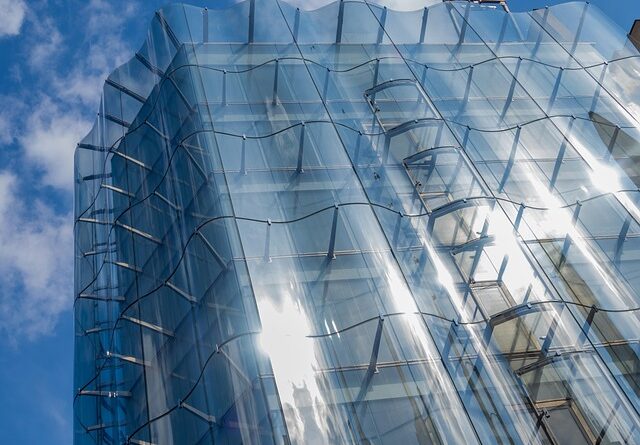
What Defines a Facade Home with Intricate Brickwork in Modern Architecture
Understanding the Concept of a Facade Home in Contemporary Design
A facade home represents more than the outer skin of a building—it’s an architectural statement that merges form, function, and identity. In contemporary design, facades have evolved into complex systems that respond to climate, culture, and technology. They don’t merely shield interiors; they articulate a building’s dialogue with its environment. When executed with intricate brickwork, a facade can express craftsmanship while meeting modern performance standards.
The Architectural Significance of Facades
The facade serves as the primary interface between interior and exterior spaces. It defines how a structure engages with light, air, and the surrounding landscape. Beyond its visual appeal, it communicates architectural language—whether minimalist or expressive—and anchors the building’s identity within its context. Modern facades balance aesthetics with environmental performance by integrating shading devices, operable screens, or double-skin envelopes that regulate temperature and daylight. This dual role—artistic and functional—makes the facade one of architecture’s most dynamic elements.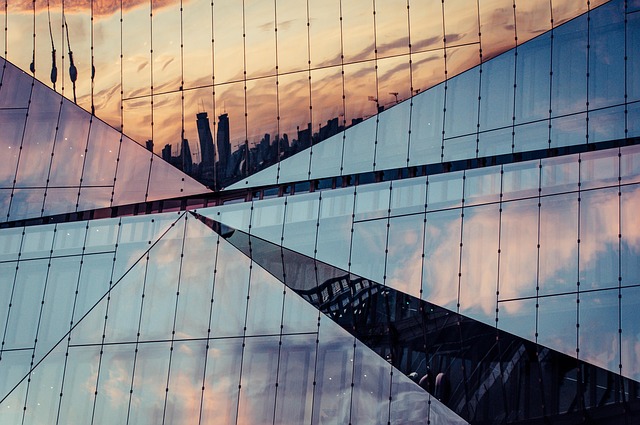
Evolution of Facade Design in Modern Architecture
Over time, facade design has shifted from ornamental decoration toward performance-driven systems. Early 20th-century architects like Le Corbusier emphasized purity of form over embellishment, leading to cleaner lines and structural honesty. Today’s facades rely on advanced materials—glass composites, high-performance ceramics, or engineered brick—to achieve precision and resilience. Digital tools such as parametric modeling allow architects to simulate light behavior or airflow before fabrication, making each facade both site-specific and efficient. These innovations have redefined what a facade home can be: not just beautiful but intelligent.
The Role of Brickwork in Architectural Expression
Brick remains one of architecture’s most enduring materials. Its tactile quality and modular nature make it ideal for expressing rhythm and proportion in modern facades. In recent years, designers have rediscovered brick’s potential for creating texture and depth without sacrificing sustainability or structural integrity.
Historical Context of Brick as a Building Material
From ancient Mesopotamian ziggurats to Victorian terraces, brick has symbolized permanence and regional identity. Local clay compositions once dictated color variations—from deep reds in London to pale yellows in Amsterdam—embedding geography into architecture itself. Technological advances now allow bricks to be extruded in custom shapes or glazed finishes, expanding their aesthetic range while maintaining durability. This evolution connects traditional masonry craftsmanship with contemporary fabrication methods.
Brickwork as a Medium for Modern Aesthetics
In modern practice, architects exploit brick’s modularity to achieve rhythmic patterns across large surfaces. Subtle shifts in bond types—like Flemish or stack bonds—introduce visual depth through shadow play. Reliefs or perforations can transform static walls into responsive surfaces that filter light or frame views. Combining traditional hand-laid techniques with computational design enables unprecedented precision; every brick can be positioned according to digital coordinates that respond to environmental data or artistic intent.
Defining Characteristics of Facade Homes with Intricate Brickwork
A facade home featuring intricate brickwork stands out through material honesty and meticulous detailing. Such projects often blend handcrafted techniques with engineered systems to achieve both character and longevity.
Material Composition and Detailing Strategies
Selecting the right brick involves assessing color consistency, surface finish, porosity, and thermal mass. Darker bricks absorb heat differently than lighter tones; glazed units reflect sunlight for cooler interiors. Mortar joints play an equally critical role—their thickness and alignment influence shadow lines and perceived texture. Precision during installation ensures visual coherence across elevations. Architects sometimes integrate metal trims or glass inserts within the masonry grid to create contrast while enhancing reflectivity under changing light conditions.
Structural Logic Behind Intricate Brick Facades
Complex brick patterns require careful structural planning. While traditional walls were load-bearing, most contemporary facades use veneer systems attached to reinforced frameworks of steel or concrete. This allows freedom in geometry without compromising stability. Expansion joints accommodate temperature-induced movement; cavity insulation prevents moisture ingress; stainless-steel ties secure outer layers against wind loads. Such strategies extend lifespan while maintaining crisp detailing even after decades of weather exposure.
Design Methodologies for Complex Brick Facades
Designing intricate masonry today involves both digital precision and human skill. Computational tools generate possibilities; masons translate them into tangible forms on site.
Computational Design and Parametric Modeling Approaches
Parametric modeling software enables architects to manipulate thousands of variables simultaneously—from solar orientation to ventilation flow—to derive optimal facade configurations. Algorithms can adjust brick spacing based on daylight intensity or create perforation gradients responding to interior privacy needs. Digital fabrication methods such as robotic arms prearrange bricks off-site for faster assembly on-site with millimeter accuracy. BIM (Building Information Modeling) platforms facilitate coordination among architects, engineers, and contractors throughout design-to-construction workflows.
Craftsmanship and On-Site Execution Techniques
Despite automation advances, skilled masons remain indispensable for translating digital concepts into physical reality. Their ability to adjust tolerances on-site ensures alignment between theoretical models and construction conditions like uneven foundations or variable mortar curing times. Some projects now employ semi-automated laying robots guided by laser tracking systems—particularly effective for repetitive modules—but human oversight guarantees tactile quality control that machines still can’t replicate fully.
Environmental Performance and Sustainability Considerations
Brick facades contribute significantly to sustainable building practices when designed thoughtfully within passive energy frameworks.
Thermal Efficiency and Passive Design Benefits
Brick possesses high thermal mass—it absorbs heat during the day and releases it at night—helping stabilize indoor temperatures naturally without mechanical cooling systems. Textured or perforated brick skins act as shading devices that reduce solar gain while allowing diffused daylight inside rooms. Patterned openings also promote cross-ventilation by channeling breezes through controlled apertures—a strategy increasingly relevant in warm climates where energy efficiency is paramount.
Sustainable Sourcing and Lifecycle Assessment of Brick Materials
Sustainability begins at material sourcing: using locally produced bricks minimizes transport emissions while supporting regional economies. Manufacturers adopting low-temperature kilns or biomass fuels reduce embodied carbon compared with conventional firing methods (source: World Green Building Council Report 2023). Recycled aggregates from demolition waste are now incorporated into new clay mixes without compromising strength standards (BS EN 771-1). Over time, properly maintained brickwork requires minimal replacement—its lifecycle often exceeds 100 years—making it one of the most durable facade options available today.
Integration of Lighting and Perception in Brick Facade Homes
Lighting transforms how intricate masonry is perceived across different times of day; it brings surfaces alive through contrast between solid mass and void space.
Interaction Between Light, Shadow, and Texture
Varying depths within brick patterns catch sunlight differently throughout the day—morning rays emphasize reliefs while evening shadows accentuate recesses—creating dynamic visual rhythms that evolve naturally over time. At night, integrated LED strips highlight specific courses or perforations without overwhelming subtle craftsmanship details. This interplay shapes emotional responses: warm tones evoke comfort; cooler hues suggest calm precision—a psychological layer often overlooked yet crucial in residential design.
Visual Identity and Urban Contextual Relationships
A facade home doesn’t exist in isolation; it converses with its surroundings through material tone, scale proportioning, and articulation rhythm relative to neighboring structures. Intricate brickwork can either blend harmoniously within heritage contexts or assert distinctiveness amid glass-dominated skylines depending on design intent. Maintaining continuity in color palette across adjacent buildings strengthens urban cohesion while allowing individual expression through pattern variation—a balance cities like Copenhagen or Melbourne illustrate effectively across new developments.
FAQ
Q1: What makes a facade home unique compared to conventional houses?
A: A facade home emphasizes architectural expression on its exterior envelope while integrating performance features like shading control or ventilation systems directly into its design language.
Q2: Why is brick favored for intricate facades?
A: Brick offers modular flexibility combined with durability; its tactile surface allows designers to explore pattern depth without relying solely on synthetic claddings.
Q3: How does parametric modeling influence modern brick architecture?
A: It enables precise customization by linking environmental data—like sunlight angles—to geometric variations so each section performs optimally under real conditions.
Q4: Are intricate brick facades energy-efficient?
A: Yes; their thermal mass stabilizes indoor temperatures naturally while textured surfaces enhance shading efficiency reducing cooling demands.
Q5: Can traditional masonry coexist with robotic construction methods?
A: Absolutely; robotics handle repetitive placement efficiently whereas skilled masons refine alignment details ensuring craftsmanship integrity remains intact throughout execution.