
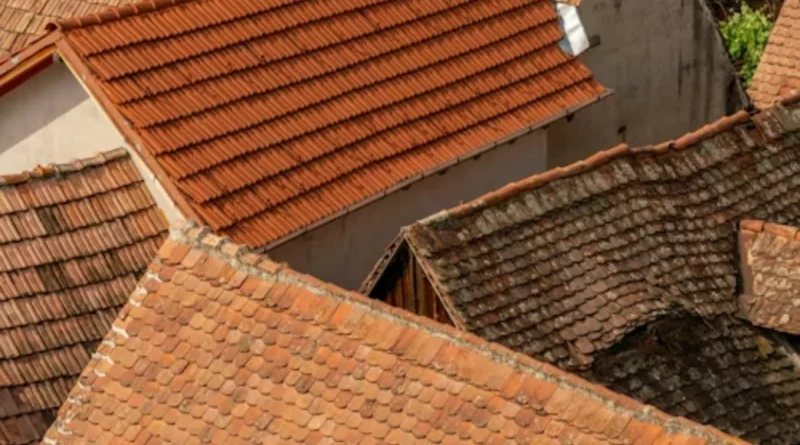
What Makes Roof House Design Essential in Long-Span Architecture Today
Why Is Roof House Design Crucial in Long-Span Architecture?
In long-span architecture, roof house design goes beyond just style. It really shapes how a building performs over many years. Think about covering a big open space in a home, like an atrium, or in places like sports arenas or community halls. The roof acts as the main part that handles structure and weather. It deals with physical pressures the building faces. Plus, it controls the inside air, light, and how much energy the place uses. Often, the roof’s outline sets the look of the whole building. This is especially true in wide-open designs where tall walls don’t stand out much.
One time, I saw a community center with a simple curved roof. It made the space feel welcoming right away. That’s the kind of impact it has.
Structural Integrity and Load Distribution
Roof house design matters a lot for handling loads in big areas. If the shape and materials aren’t right, wide spans can bend or even fall. Builders often pick arched roofs, folded plate ones, or space frame types. These help spread stress evenly to the supports. They send loads straight to edge columns or the base. This keeps the inside free of posts. For instance, a barrel vault roof pushes compression forces along its bend. That cuts down on bending stress. In steel setups, truss roofs do something similar. They use triangles to handle loads. This lets parts stay small but strong.
Imagine a gym roof holding up under snow without sagging. Good design makes that possible every winter.

Climate Responsiveness and Environmental Control
In long-span buildings, the roof faces the weather more than any other part. So, its shape must fit the local climate. In hot tropical spots, double-skin roofs or air-flow gaps cut down on heat buildup. In cold places, thick insulated panels store warmth. A gable roof with good vents or high clerestory windows lets hot air rise out. It pulls in cooler air below. That boosts natural airflow. You can add green roofs or shiny covers too. These help fight city heat and make the outer layer work better.
I’ve noticed how a well-vented roof in a sunny yard keeps the house cooler on hot days. It’s a small thing, but it saves on fans.
Aesthetic Integration and Architectural Identity
The roof often makes a strong statement in long-span homes and other buildings. Sloped traditional shapes give a homey feel. Flat or angled modern ones suggest a fresh look. In country areas, broad roof edges might match nearby hills or old farm sheds. In cities, butterfly or single-slope roofs open up views. They fit with the city skyline. The roof doesn’t just top the building. It shows the cultural side and how the space feels inside.
Sometimes, a roof like that reminds me of childhood homes. It adds a personal touch to big designs.
How Does Roof Design Address Structural Challenges in Long-Span Buildings?
Long-span structures bring tough engineering problems. Roof design helps fix them. It avoids inside posts, limits bending, and manages moving forces. All this depends on smart roof planning.
Span Coverage Without Intermediate Supports
Certain roof types skip internal columns completely. Space frames, cable nets, and geodesic domes spread loads well. They cover dozens of meters without help. In homes, this creates a living area free of beams. It’s perfect for open rooms. Tension setups like hyperbolic paraboloids or fabric membranes cover big spots with little thickness too.
Picture a family room where kids play without posts in the way. That’s the freedom these roofs provide.
Material Optimization and Weight Reduction
Light roofs ease the load on foundations. They also lower building costs. Materials such as aluminum sheets, clear plastic panels, or treated wood let you use thinner layers. Yet they stay strong. Folded plate roofs or hanging curve shapes get strength from their form. They don’t need much weight to hold up.
In one project, switching to lighter panels saved weeks of work. It made the whole build smoother.
Resistance to Wind and Seismic Forces
Big roofs deal with strong side pushes because of their size. Smooth curved or tilted shapes cut wind lift in storms. In earthquake areas, bendy connections and roof panels that move together absorb shakes. They don’t pass stress to walls. The roof’s shape can avoid shaking in rhythm with quakes. That’s vital for lasting through events.
Engineers always test these in wind tunnels now. It shows real-world strength before building.
What Are the Functional Benefits of Different Long-Span Roof Types?
Each roof style offers special perks for space and use. These go past just holding up. In homes or big rooms, the roof changes how the inside works and feels.
Adaptability to Interior Space Planning
A steep or arched ceiling adds height. It makes rooms seem bigger without growing the base. Flat roofs let you divide spaces easily below. The height stays even. A round versus sharp roof impacts sound in rooms. It also affects where you put chairs or tables.
I’ve seen how a vaulted roof turns a plain hall into something grand. It really opens up the feel.
Integration of Mechanical and Lighting Systems
Many roofs hide pipes for air systems, water sprinklers, or light rails inside their build. Under flat roofs, drop ceilings give room for easy setups. Exposed beams in high ceilings can look nice too. You just match the mechanical parts to the style.
Contractors love this because it hides the messy bits while keeping things practical.
Enhanced Natural Light and Airflow Management
The roof’s form decides light paths. High windows near roof peaks let in day glow without losing privacy. Butterfly roofs handle rain well. They also fit big glass on slopes for light and fresh air. Sawtooth roofs bring soft light far inside. They block too much sun heat at the same time.
In factories, these roofs cut electric bills by half sometimes. Natural light makes a big difference.
How Does Roof House Design Influence Energy Efficiency?
The energy use in a long-span home ties closely to the roof’s link with sun, breeze, and heat changes over seasons.
Thermal Performance Through Form and Orientation
The roof’s slope and direction set how much sun hits it each year. In north areas, south slopes catch winter rays well. A 30 to 45 degree angle works best. It cuts heating needs. In warm spots, low slopes or air-flow flat roofs limit sun warmth.
One house I know faces south perfectly. It stays cozy in winter without extra heat.
Compatibility with Renewable Energy Systems
Sun panels need good space, angle, and face. Long-span roofs handle this easily if planned right. Gable or single-slope types offer great tilts for panels. They blend into the roof without looking odd.
Adding panels here can power a whole home. It’s becoming common in new builds.
Reduction of HVAC Loads via Passive Strategies
A smart roof cuts the need for machines by using natural heat and cool tricks. Thick metal panels with good insulation hold back winter cold. Open edges and top vents create air rise. That cools rooms on its own. Big sloped roofs make this work best.
Passive cooling like this feels fresh, like opening windows on a breezy day.
In What Ways Do Traditional Roof Designs Inspire Modern Long-Span Solutions?
Today’s long-span buildings often look back at old shapes. They value the tested use and warm feel.
Cultural Continuity Through Form Language
Designers pick classic sloped or edged roofs for new homes. People know them, and they fit well. These shapes help fresh buildings match old areas. You can update them with new ways too.
It’s nice how they keep a sense of place alive in growing towns.
Proven Performance in Local Climate Conditions
Old designs came from years of learning in set places. Steep Nordic roofs drop snow fast. Wide overhangs in rainy Asia shield sides from downpours. They shade rooms too. Using these ideas makes strong buildings for the weather there.
History shows what works. We just tweak it for today.
Hybridization of Old Forms with New Materials
New stuff like layered wood or mix panels lets you build old shapes bigger or easier to care for. Take a Japanese hip-and-gable roof. Now it uses steel frames and tough tiles. It keeps the old charm but works better now.
Blends like this honor the past while facing modern needs.
What Role Does Material Selection Play in Roof House Design?
Picking materials affects more than money. It changes how far it spans, and how often you fix it over time.
Compatibility with Span Requirements and Geometry
Steel or treated wood reaches farther without help than concrete or clay covers. For big overhangs or thin arches, strong pull materials matter most. Light mix panels fit odd shapes well.
Choosing right can double the span length in some cases.
Durability Against Environmental Exposure
Roofs take sun, water, wind, and heat shifts for years. Coated steel fights rust. Bitumen covers take sun but wear quicker. Real stone lasts long but weighs more. Pick what fits the area to last and skip fixes.
Durability means fewer headaches down the line.
Aesthetic Versatility Across Architectural Styles
Materials shape the look too. Zinc sheets give a clean edge. Clay tiles bring cozy tones. Wood bits add soft grain. Pair the surface with the building’s goal for a full picture. It lifts even plain roofs.
A good match makes the whole place come together nicely.
How Do Modern Technologies Enhance Long-Span Roof Design?
New tools change wide roof building. They make them tougher, quicker to set up, and easier to watch.
Digital Modeling for Structural Optimization
Computer programs let planners test load paths in different forms first. Apps like Rhino-Grasshopper or Tekla Structures map stress in bent plates or curved shells. They spot weak points early.
This saves money by fixing issues on screen, not on site.
Prefabrication Techniques for On-Site Efficiency
Making parts away from the job speeds up work. You assemble big roof sections fast over wide spots. Insulated wood blocks, bent wood curves, or ready steel frames cut time and weather waits.
Teams finish in days what used to take months. It’s a game-changer.
Smart Roofing Systems for Performance Monitoring
Top long-span roofs now have built-in watchers for heat changes, water leaks, or bend stress. They warn owners of small troubles before they grow. This helps in key spots like art halls or server rooms.
Monitoring keeps things running smooth without surprises.
FAQ
Q1: What is considered a long-span roof?
A: A long-span roof typically covers an area of 12 meters (about 40 feet) or more without intermediate supports, allowing for open interior layouts.
Q2: Which materials are best for long-span residential roofs?
A: Engineered wood (like glulam), structural steel, and lightweight composites are commonly used because they combine strength with flexibility and reduced weight.
Q3: Can traditional roof shapes be used in modern architecture?
A: Yes, forms like gables or pyramids are often reinterpreted with modern materials and detailing while retaining their functional advantages.
Q4: How does roof angle affect solar panel performance?
A: An optimal tilt angle maximizes solar exposure; typically around 30–45 degrees depending on geographic latitude for year-round efficiency.
Q5: What role does ventilation play in long-span roof design?
A: Proper ventilation removes trapped heat and moisture under large roofs, improving indoor comfort and prolonging material lifespan by preventing condensation damage.