
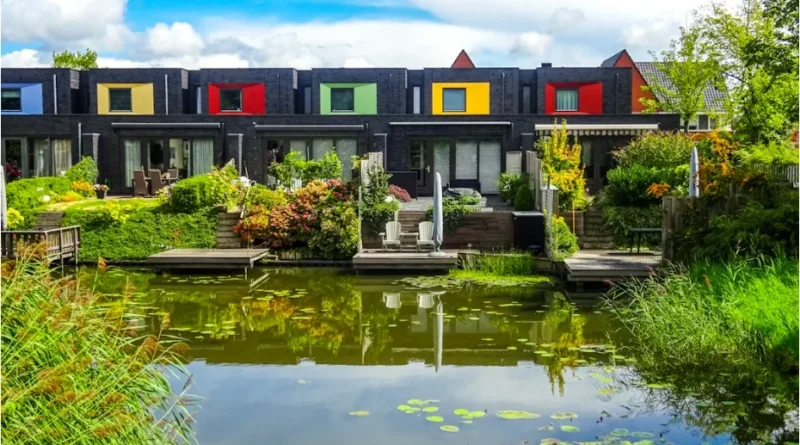
What Are the Key Features of Lake Front House Plans for Experts
What Are the Essential Design Elements of Lake Front House Plans?
Lake front house plans aim to showcase the charm of living by the water. They keep things practical and cozy too. These homes mix inside areas with outside spots. This setup links everything to nature in a smooth way. When you plan or check one of these designs, look at how rooms, sunshine, and building stuff come together. They frame the lake sight nicely. Plus, they support everyday life well.
Open Floor Plans for Maximizing Space
Open floor plans sit at the heart of lake front house plans. They let people move easily between living rooms, eating areas, and kitchens. This setup makes hosting friends simpler. It also lets fresh light spread all over the house. Big open spots give a breezy feel. That matches the wide outdoor views. Take a main room with high ceilings, for instance. It can turn a small home into something that feels roomy. And it ties right into the world outside. I remember visiting a place like that once— the space just opened up to the lake, making mornings feel endless.

Large Windows for Scenic Views
Big windows do more than look pretty. They play a key role in grabbing wide lake sights. Imagine tall glass walls facing the water. They pull in daytime light. At the same time, they stretch inside rooms out to the far edge. Lots of folks pick sliding or folding glass doors. These lead straight to patios or decks. So, inside ease blends with outside peace.
Multi-Level Decks and Outdoor Spaces
Life outside matters a lot in lake front house plans. Stacked decks make the most of yard area. They avoid blocking the view paths. The top deck could work for meals. Lower parts might reach the shore or boat spot. Smart deck spots keep things private. Yet, they hold clear looks from main inside rooms. In one project I heard about, they added three levels—each one caught a different angle of the sunset, which was pretty cool for family gatherings.
How Do Lake Front House Plans Incorporate Natural Lighting?
Sunlight stands out as a top trait in homes by the water. A smart lake front house uses day glow not just to light up spaces. It boosts moods and cuts energy use too. Placing glass wisely, using shiny stuff, and aiming the building right help spread brightness all day. Sometimes, though, you get those cloudy days by the lake that test how well it all works— but good designs still pull through.
Strategic Window Placement
Builders put windows where the sun travels and views line up best. Ones facing south grab heat in cold times. Overhangs block too much warmth in hot weather. Corner windows or high-up ones bring light way inside. They do this without taking wall room needed for chairs or pictures.
Skylights and Sun Tunnels
Roof windows add light from above. They brighten spots like halls or cooking areas. Side windows might not reach there. Sun tunnels are slim shiny pipes. They guide sunbeams to baths or storage spots. This cuts the need for fake lights in the day.
Use of Reflective Surfaces
Shiny floors, counters, or ceiling coats spread natural light around rooms evenly. Pale colors boost the glow. They add a sense of depth too. This works great in homes near thick woods. There, straight sun might not hit much. From what I’ve seen in real builds, picking the right white paint can make a dim corner feel twice as bright—simple fix with big payoff.
Why Is Sustainable Building Important in Lake Front House Plans?
Going green when building by a lake goes beyond saving power. It guards the fragile surroundings that draw people to water life. Each pick of stuff and setup aids long-term care for nature. Think about it: lakes can get murky fast from poor choices, so these plans step in to keep things clear.
Eco-Friendly Materials
Picking reused wood, recycled rock, or paints with low bad smells cuts harm to the earth. These keep the look nice too. Stuff from nearby spots lowers travel fumes. It fits the local land better as well. One builder told me they sourced oak from just 20 miles away—saved gas and matched the trees around perfectly.
Energy-Efficient Systems
Smart heating and cooling units, well-sealed windows, and clever temp controls keep inside nice all year. They avoid wasting lots of electricity. Sun panels can add power needs. This helps in far-off spots with spotty grid lines.
Water Conservation Features
Systems to catch rain and paths that let water soak in cut down flow to lakes. This keeps water clean—key for the area. Inside, low-use taps and such lower water pull without losing ease.
What Are the Common Architectural Styles in Lake Front House Plans?
Styles for lake front homes differ a bunch. But they all aim to mix grace with nature fit. The pick often shows what the owner likes. It also nods to the area’s feel. Over years, I’ve noticed how styles shift with trends, yet classics stick around for good reason.
Modern and Contemporary Designs
Modern lake houses focus on straight lines, little extra trim, and wide-open insides. Big glass sides frame them. Flat tops or sticking-out decks show up often. They keep water views clear.
Rustic and Cabin-Style Homes
Rustic looks use rough wood beams, rock hearths, and metal touches like old cabins. These bring a cozy, old-time vibe. Still, they work well for all-season stays.
Traditional and Colonial Influences
Old-style lake houses have sloped roofs, even fronts, and porches that wrap around. They call back to early US builds. These give lasting appeal. Modern perks hide inside the old shapes neatly.
How Do Lake Front House Plans Address Privacy Concerns?
Keeping things private counts big when homes crowd shores that see lots of folks. Clever fixes guard personal space. They do this without cutting off the pretty views.
Landscaping and Natural Barriers
Thick bushes or trees from the area screen off neighbor yards. Rock walls or raised ground spots mark private areas. They don’t stick out too much.
Strategic Room Layouts
Sleep rooms go up high or on sides away from busy views. This holds seclusion. Baths facing inner yards, not open water, add comfort. They keep outside looks clean.
Use of Privacy Glass and Shades
Cloudy glass or shades you can adjust let you pick how much others see. This fits the day’s needs or inside doings. It’s a neat way that holds onto day light.
What Role Does Landscaping Play in Lake Front House Plans?
Yard work around a lake home does more than add color. It holds soil steady, handles water flow, and boosts fun spots. Without it, edges can wash away quick—I’ve seen that after a storm.
Integration with Natural Surroundings
Planners pick plants from the area that grow easy with little care. This keeps the built parts blending into the wild land.
Erosion Control Techniques
Stone holds or plant-root strengthens stop shore wear from changing water heights or waves. This guards home worth. It balances nature too. Experts say using native grasses can cut erosion by up to 50% in wet spots.
Creation of Recreational Areas
Spots for eats, fire spots, or tiny docks turn plain yards into play zones. Families meet there after boat rides or swims. It’s a top mark of a solid lake front setup.
How Do Lake Front House Plans Enhance Outdoor Living?
Outside life shapes lake side days as much as inside setups. Good outside plans stretch room beyond walls. They frame great times right by the water. Sometimes, a well-placed bench makes all the difference for quiet evenings.
Designated Areas for Water Activities
Boat starts, sheds for paddles, or floating piers make water fun simple. Right sloped land makes safe shifts from land patios to water edges. It skips messing with normal water paths.
Outdoor Kitchens and Dining Spaces
An outside cooking spot with gear that fights weather pushes for meals in the open. These overlook calm waters. Perfect for guests on warm nights when wind drifts over.
Fire Pits and Lounge Areas
Fire spots ringed by comfy seats give heat on chill nights. They act as chat centers too. Stories share with lake lights dancing on still water. It’s a basic add that packs a punch for lake days.
FAQ
Q1: What makes lake front house plans different from standard residential designs?
A: They put views first, mix in natural light, link to outdoors, and focus on green ways tied to water spots.
Q2: Are modern-style lake houses more expensive to build?
A: Prices change with stuff like glass sides or metal frames. But smart room setups often balance costs. They save on power later. In fact, one study showed a 20% drop in bills after a year.
Q3: How can privacy be maintained without blocking views?
A: Yard plants plus half screens like shade frames or dark glass keep things open. They add quiet too.
Q4: Which sustainable features have the biggest impact near lakes?
A: Water handling like rain spots or soak paths cut bad flow to close ecosystems a lot.
Q5: Can small lots still accommodate functional outdoor spaces?
A: Sure. Stacked decks or stepped gardens make the best of tight space. They hold clear looks to the water. Even on a 50-foot lot, you can fit a deck and path that feels spacious.