
Which Modern Living Room Ideas Always Feel Fresh or Are These the Only Timeless Designs You Need
What Defines a Modern Living Room?
A modern living room goes beyond just looking nice. It shows how folks live right now. The style mixes looks and use. This makes rooms that feel welcoming and practical. When you picture top modern setups, they often mix straight edges with coziness. They blend gadgets with ease and simple style with flair. It’s not about chilly flawlessness. Instead, it’s about making spots where you can really settle in and enjoy daily life. For example, in a busy city apartment, this approach helps everything fit just right without feeling cramped.
Simplicity and Functionality
Modern living rooms focus on easy ways. Each item serves a real need. Mess stays low. Picture smooth chairs, tucked-away spots for stuff, and wide-open plans that let sunshine move freely. You could spot adjustable couches or tables that switch for various tasks. These work great in tight city spots. I recall a friend who turned her small flat into a cozy hub using just a few smart pieces. It changed everything for her family gatherings.
Neutral Colors With Bold Accents
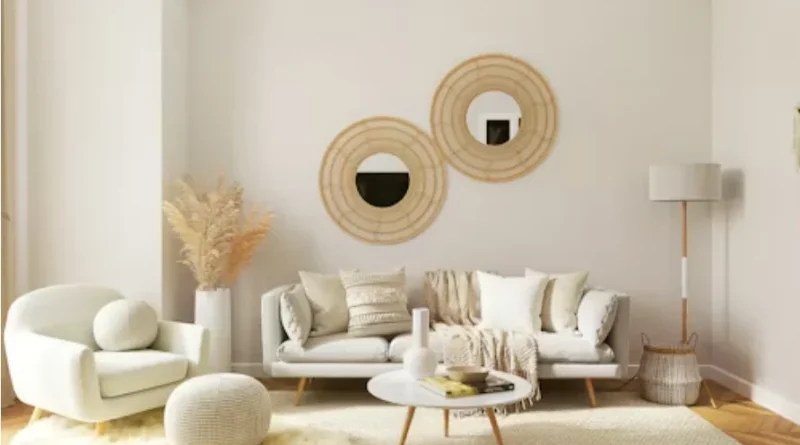
Colors set the feel in a big way. Many modern spots begin with basic shades like white, light brown, or soft gray. Then, they toss in strong touches such as deep blue pillows or a bright green seat. The secret is holding back. One eye-catching bit can lift the whole area. It adds spark without taking over. Think about how a single red throw on a gray sofa draws the eye just enough to warm things up.
Integration of Technology
Gadgets fit right into modern living rooms. Smart lights, hidden sound systems, or flat-screen TVs mounted on walls mix in smoothly. They don’t take center stage. The aim is handy help without extra mess. All should support your daily routine in a quiet way. In one home I visited, the voice-controlled lights adjusted automatically for movie nights, making evenings so much smoother.
How Can You Balance Minimalism With Comfort?
Simple design might seem too plain at times. You need care to avoid that. The main point is adding layers of feel and picking items that call for rest. At the same time, keep the sight tidy. This way, the space stays ordered but nice to be in. It’s like adding a soft blanket to a clean bed—simple yet inviting.
Layered Textures and Materials
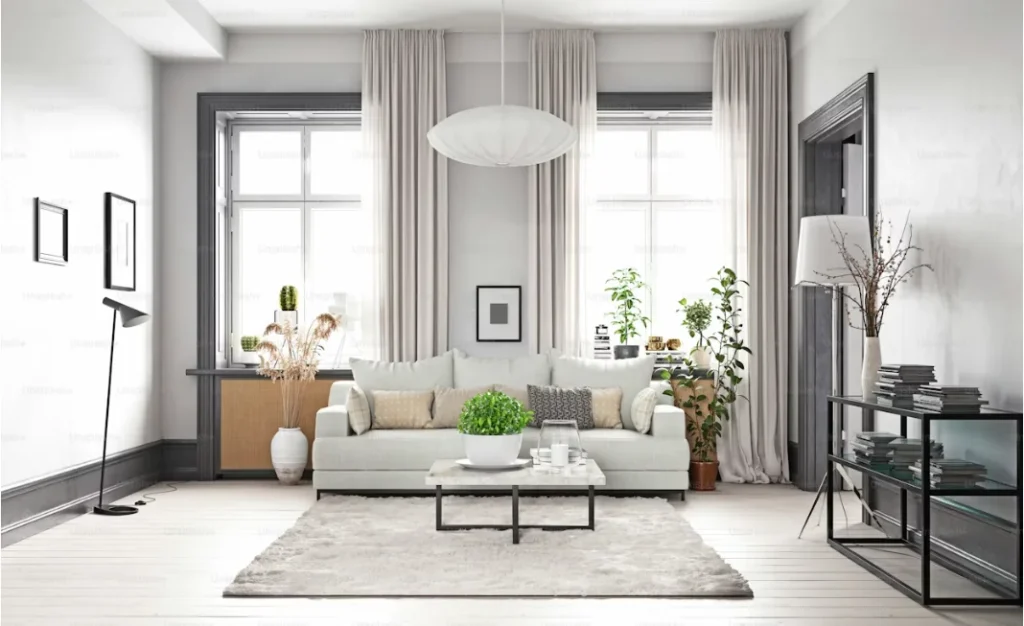
You can ease hard edges by blending stuff. Try soft cloth drapes next to steel edges. Or place thick rugs on hard floors. Wood brings a cozy touch. Glass bounces light around. Dull surfaces cut down shine. All this builds layers without mess. For instance, in a real setup, combining a rough wool throw with smooth wood shelves creates that perfect mix of tough and gentle.
Warm Lighting Choices
Light sets the vibe more than most notice. Skip bright top lights. Go for lamps with yellow glows or built-in spots that spread gentle beams over walls and seats. This easy switch turns even bare rooms into snug ones. I’ve seen how a simple floor lamp with a warm bulb can make a late-night read feel just right, especially on chilly evenings.
Personal Touches That Don’t Clutter
Simple style doesn’t wipe out who you are. Pick a handful of pictures in frames, a shaped pot for flowers, or one wall art piece. These show your side without overload. Go for things that matter over lots of bits. They share your tale in a quiet manner. Remember, it’s often the family photo from that beach trip that adds the real heart to the room.
Why Is Open Space So Important in Modern Living Rooms?
Open plans link closely with modern living these days. They fit changing ways of life. Plus, they make small homes seem bigger. They also boost chats among people. That’s key in our screen-filled world. In fact, about 70% of new homes now feature these layouts, according to recent builder reports, and owners love the freedom it brings.
Flow Between Zones
Lots of today’s houses blend living areas with eating or cooking spots. This wide feel lets talks flow easy while you fix meals or host friends. How you place chairs and tables matters a lot. It marks off areas without walls. Picture a family dinner where everyone stays connected from kitchen to couch—no interruptions.
Visual Continuity Through Design Elements
Using the same stuff again, like wood shades or even floors, keeps things smooth in open spots. Little things count too. Matching metal bits or like fabrics pull it all together by sight. This creates a steady look. In practice, I’ve noticed how uniform oak accents in a combined space make the whole area feel like one big, welcoming unit.
Maximizing Natural Light
Big windows or clear doors mark modern builds. They stretch what you see and pour in daytime brightness. Sunlight boosts hues and cuts the need for fake lights in daylight hours. It’s a natural perk. One tip from designers: position seating near these to enjoy the full effect, turning ordinary afternoons into bright, lively times.
How Do You Add Character Without Losing Modern Appeal?
Personality livens up a modern living room. It stops sleek looks from feeling empty. The task is adding it without messing the neat style that marks modern ways. Done right, it feels fresh and true to you. Sometimes, a quirky lamp can spark joy without clashing the overall clean vibe.
Statement Furniture Pieces
One bold item—a rounded couch or a large easy chair—can hold the room’s spirit. These often have natural curves that stand out against straight building lines. They add interest. For example, a wavy armchair in a straight-lined room becomes the star, inviting folks to curl up and chat.
Art as Focal Points
Artwork adds feeling to plain insides. Big abstract pics or shaped displays catch the eye. They fit with colors already there. This brings warmth. In a gallery-inspired home, a single large canvas over the mantel draws everyone in, sparking stories about its meaning.
Mixing Vintage With Contemporary
Combining old and new times builds realness. Place a 1950s low table by a fresh long couch. It shows growth, not copy. The space feels picked with care, not store-bought perfect. This mix often surprises guests, making the room memorable for its thoughtful blend.
What Role Does Sustainability Play in Modern Living Room Design?
Green ways have moved from extra to must-have in room planning thoughts. A real modern living room now thinks about earth effects along with looks. It’s smart and kind. More families choose this path, knowing it saves money long-term—think lower bills over years.
Eco-Friendly Materials
Planners pick growing stuff like bamboo for floors or reused cloth for covers more often. These cut trash and bring real feel to rooms. They’re tough too. A bamboo rug, for instance, lasts through kids’ play and still looks fresh after seasons.
Energy Efficiency Through Smart Systems
Clever temp controls and low-power lights save juice. They fit the clean goal of modern style. Tech works soft in the back. This setup not only helps the planet but makes daily life easier. In one eco-home, these systems cut energy use by half, per the owner’s logs.
Longevity Over Trends
Forget quick fashions. Green planning picks lasting items. Buy chairs that endure. This means less buying later. It’s good for wallet and world. Solid wood pieces, say, outlast cheap trends, keeping your space timeless for a decade or more.
How Do Colors Influence Mood in Modern Living Spaces?
Shades touch how people feel in their spots more than any sight thing. In modern insides, color plans go past prettying up. They shape feelings. It’s fascinating how a wall hue can shift your whole day, from calm mornings to lively evenings.
Calming Neutrals for Everyday Serenity
Gentle basics keep your mind clear after tough work days with screens. Tones like warm brown or rock gray make quiet bases. They work with any add-on shade. This setup soothes. A taupe wall, for example, turns a hectic room into a peaceful retreat after work.
Bold Accents for Energy and Focus
Smart bursts of hue wake up set areas. A sunny yellow seat by book spots boosts attention. Dark blue pads build relaxed talk zones close by. These add zip. In busy homes, that one orange pillow near the TV corner keeps energy high for family game nights.
Monochrome Schemes for Visual Consistency
Sticking to shades of one color over seats and walls makes unity without boredom. It’s quiet but strong with feel shifts like dull or shiny ends. This holds it together. Try grays from light to dark—it creates flow, much like a soft gradient in nature.
How Can Lighting Transform Modern Living Rooms?
Light does more than work. It shapes the build by pointing out shapes and making moods for day parts or doings. It changes everything. Good light can make a dull space sparkle, turning it from okay to outstanding in moments.
Layered Lighting Plans
Mix room lights from ceilings with work lamps by chairs. This gives choices for parties or quiet TV time at night. It’s flexible. In a typical setup, overhead for groups and side lamps for reading cover all bases without fuss.
Architectural Fixtures as Design Statements
Hanging lights from wire nets or cloudy glass act as art pieces in day. Even off, they add style. This detail matters. A frosted pendant over coffee tables becomes a chat starter, blending use with beauty seamlessly.
Integration With Natural Light Cycles
Clever light setups copy sun patterns inside. They shift hue soft over the day to help body clocks. It’s a nice extra now open via linked tools. This keeps energy steady. For shift workers, it mimics outdoor light, easing into routines naturally.
FAQ
Q1: What are key features of a modern living room?
A: Clean lines, neutral colors, open layouts, integrated technology, and purposeful simplicity define most modern living rooms today.
Q2: How do I keep my minimalist space warm?
A: Mix textures like wood and fabric, use warm-toned lighting, and include meaningful decor pieces instead of many small items.
Q3: Are bold colors suitable for modern designs?
A: Yes—but use them sparingly as accents against neutral backgrounds to maintain balance while adding vibrancy where needed most.
Q4: What sustainable choices can I make?
A: Choose renewable materials such as bamboo or reclaimed wood furniture and invest in energy-efficient smart systems that last longer than trend-driven alternatives.
Q5: Why is natural light emphasized so much?
A: Because it expands visual space, enhances mood naturally, reduces energy consumption during daytime hours, and highlights architectural details beautifully.