
How to Integrate Sustainability into Building Design
Sustainability has turned from a passing fad into an essential part of current building plans. Cities spread out more and more. Environmental issues pile up. Architects and engineers have to create buildings that lessen damage to the environment. Yet, these structures must remain practical and comfortable. This article examines straightforward methods to weave sustainability into building design. It focuses on saving energy, selecting materials, handling water, and keeping good results over the years. Sometimes, it’s surprising how small changes in design can make a big difference in daily life.
Why Should Sustainability Be Central to Building Design?
Sustainability in building design does more than trim emissions. It builds ongoing advantages for folks and the world. When sustainable concepts enter early in the planning stage, they guide all decisions. For example, this affects choices on materials and power setups. In the end, you get a structure that functions well. It saves money as time goes on. And it supports the well-being of users. I think that’s the real win.
Environmental Impact Reduction
A green design approach cuts down on carbon output. It achieves this through systems that save energy and items made from fresh sources. Consider passive solar design as a case. It can lower heating requirements by up to 30 percent. This comes from reports by the U.S. Department of Energy in 2023. Such shifts also reduce expenses during the building’s entire span. Remember a job in a bright town? Workers there fitted broad windows for sunlight. Rooms stayed toasty in cold months without added heat. Money stayed in pockets. The sky stayed clearer too. In places like that, you see how nature works with us.
Economic Efficiency
Green materials may hit the budget harder upfront. However, a full view of costs shows they usually bring savings later. Solid HVAC setups, sturdy glass, and LED bulbs can trim utility payments by 20 to 40 percent. Lots of governments hand out tax cuts for spots that earn eco badges. This lightens the money load. Picture a modest office setup. The team changed to superior bulbs and tight seals. After just two years, bosses noticed smaller power tabs. Those covered the initial extra outlay. It’s common in the field to hear stories like this from builders who’ve tried it.
Social Responsibility
Structures shape the health and ease of neighborhoods. Green plans improve air inside rooms. They pick items low in VOC and ways to move fresh air around. These features create areas that adapt to coming needs. They skip major overhauls or added rubbish. Think of it as a present for future dwellers or workers. Nobody likes handling old places that squander supplies. And honestly, in crowded areas, clean air means fewer sick days for everyone.
How Can Energy Efficiency Be Achieved in Building Design?
Energy saving shines as a main piece of green work in building arts. You can track it clearly. Attain it by blending smart thoughts with fresh tools and pure power options. Begin by examining energy use in a structure. This looks at every step. From putting it up to everyday running. Over the years, pros have found that starting with basics prevents headaches down the line.
Passive Design Strategies
Passive ways draw on earth’s gifts, such as light and air currents, not gadgets. Smart positioning allows plenty of natural glow. Plus, it blocks unwanted warmth in hot spots. Items with heat-holding power, like concrete or stone, keep temps even. They take in sun during daylight hours. Then release it after dark. Take a classroom build, for one. They pointed key areas toward the south. Free rays and mild heat came in. Children studied under soft light, not glaring ones all day. Parents appreciated the calmer setting.
Renewable Energy Integration
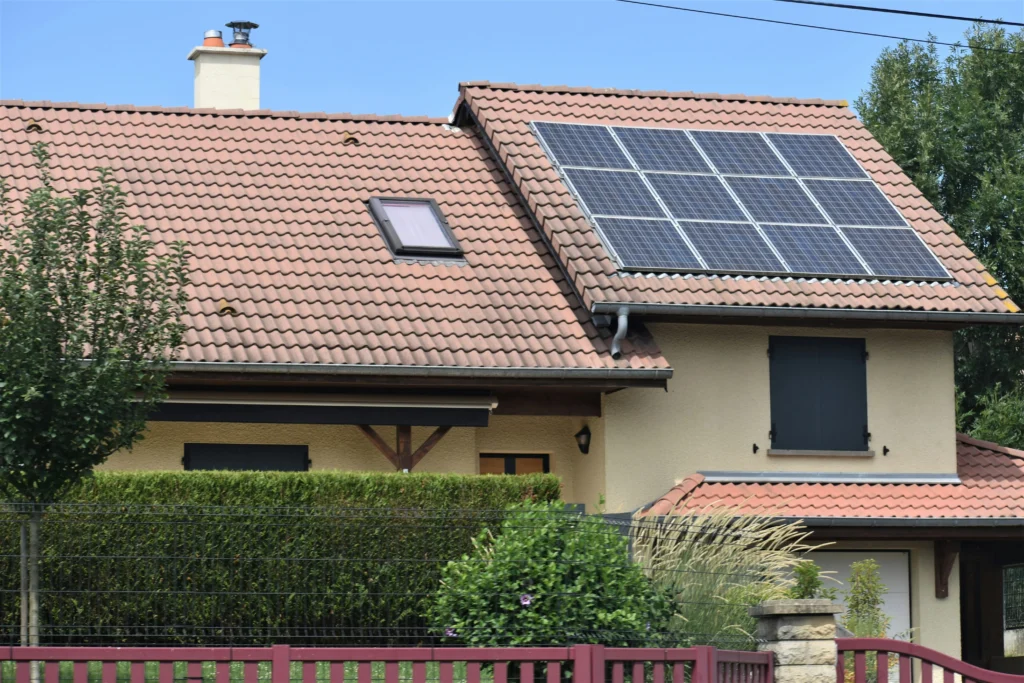
Setting solar sheets or small wind machines reduces reliance on foul fuels. In town settings, sun-facing walls on structures make power. No need for more land. A housing complex put sheets atop. It ran shared zones and traded surplus to the net. Folks living there beamed with pride. Their tabs fell quite a bit. In windy coasts, wind options add even more punch.
Smart Building Systems
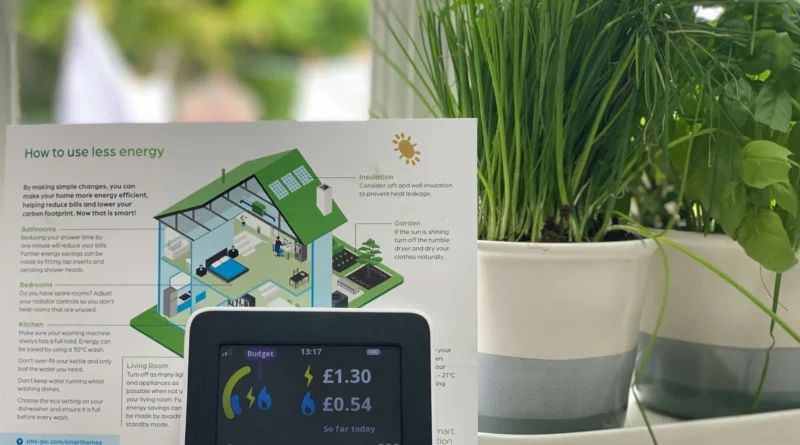
Fresh structures employ automatic gear to adjust glow, warmth, or chill by presence. Clever detectors connect in building management systems (BMS). They track operations and hold peak form. Picture a work space where bulbs fade if desks sit empty. Power gets spared. Users barely spot it. Tech like this has changed how offices run, making them feel modern yet simple.
What Role Do Sustainable Materials Play in Modern Architecture?
Selecting items decides the eco damage and style of a task. Green choices involve pondering origins, making methods, lasting power, and reuse chances. It’s not always straightforward, but worth the thought.
Locally Sourced Materials
Items from close by trim shipping fumes. They aid local work too. Stone cut nearby or reused logs from around drop the carbon trace. They bring a unique area vibe to structures. In a country-side effort, crews picked close trees for wood. It spared gas on hauls. The build fit the surroundings perfectly. Locals said it looked like it belonged there from day one.
Recycled and Renewable Resources
Reused metal beams or bamboo bases hold firm for support. They lessen pulls on raw earth digs. Eco tags such as LEED award marks for lots of reused bits. Bamboo shoots up quick, making it a wise pick. A lodging spot laid it down for bases. Visitors enjoyed the cozy sight. It stood strong over many seasons, no problems. In tropical zones, bamboo’s a go-to for its speed and strength.
Low-Impact Finishes
Coats, sticks, and closers low in volatile organic compound (VOC) keep inside air pure. They lessen nasty smells during setup. Teams put them in with less risk. Spaces freshen fast. Even in humid spots, these hold up without off-gassing much.
How Does Water Conservation Fit into Sustainable Design?
Lack of water troubles global spots increasingly. Thus, wise water handling counts big for eco structures. Builders now fold in thrift measures at the outset. They avoid tacking them on as patches later. Water’s precious; wasting it feels wrong these days.
Rainwater Harvesting Systems
Pulling rain off tops for plant feed or lav use eases strain on town pipes. Holds go below dirt. Looks stay neat. In an arid zone house, they nabbed downpours. The yard bloomed through hot months. No draw from the primary line. Simple setups like barrels have helped many homes in rainy but dry seasons.
Greywater Recycling
Greywater flows from basins or baths. Treat it right there for garden or rinse jobs. Rules from EPA in 2022 note it can cut fresh water pull in half. Easy to install in most homes. A household gave it a go. Their tab halved. Bath runoff fed the grass. In water-tight areas, this tech shines bright.
Efficient Fixtures
Slow taps, dual-rinse lavs, and touch sensors on spouts slash waste sharply. Comfort and hygiene hold steady. Public wash areas save buckets each day. Users sense no shift. Over a year, one mall cut use by thousands of gallons this way.
How Can Indoor Environmental Quality Be Improved Sustainably?
Indoor environmental quality (IEQ) sways work output, wellness, and joy levels. Folks often miss its strong pull. Green plans raise IEQ via clever breeze paths and item selects. Now and then, a soft wind makes a room come alive. It’s those touches that stick with you.
Natural Ventilation Systems
Plans with side-to-side air and openable panes draw clean gusts. No blowers needed in fair times. Temps stay mild. Power dips. In mild climates, this cuts fan runs by half.
Daylighting Optimization
Drawing extra sun glow trims fake light needs. Spirits lift. Attention sharpens. Aids like glow ledges or mirror faces push rays farther in. A firm with tall panes saw staff less weary post-lunch. Natural light just feels right.
Acoustic Comfort Measures
To tame noise, grab reused boards or green screens that gulp sounds. They lend an earthy feel. Quiet nooks form sans rough stuff. In busy offices, these cut chatter echoes nicely.
What Are the Best Practices for Long-Term Sustainable Performance?
Green building goes on past the build phase. It stretches into routine care and fixes. Plans for the long haul lock in eco aims across decades. You build once, but check often. Skipping that leads to slips.
Lifecycle Assessment (LCA)
An LCA scans every eco hit from dawn to dusk. From pulling items to wrecking day. It flags soft areas soon. Groups apply it to adjust routes. Dodges large errors ahead. Pros swear by it for smarter builds.
Maintenance Planning
Choose hardy coats that skip frequent trades. Waste falls. Yearly looks at gear keep flow even. A well-tended spot endures more. Holds green perks. In harsh weathers, this planning pays off big.
Adaptive Reuse Potential
Craft levels that bend for fresh roles. Skips wreck when shifts hit. Preserves goods. Guards sunk carbon. Past mills reborn as homes prove its worth. Such changes keep history alive without fresh harm.
How Does Certification Influence Sustainable Building Projects?
Badges set firm targets for eco results. They nudge makers and raisers to test fresh paths. These frames steer tasks to finer ends. Without them, many projects drift aimless.
LEED Certification System
The Leadership in Energy and Environmental Design (LEED) tallies tasks by marks. Fields hit power, water, items, and land health.
BREEAM Standards
Born in the UK, BREEAM probes green efforts via deep scans. Eyes full spans and user vibes.
WELL Building Standard
WELL aims at wellness via air, glow, and meal nooks in job sites. It meshes fine with other eco probes for broad guard.
FAQ
Q1: What Is the First Step Toward Integrating Sustainability into Building Design?
A: Kick off with site checks. Eye climate, light routes, and nearby goods. Handle this prior to locking the core shape.
Q2: Are Green Buildings More Expensive Than Conventional Ones?
A: Start costs might climb for gear or stamps. Yet, run savings usually balance in five to ten years. Hinges on setup smarts.
Q3: Which Certification Is Most Recognized Globally for Sustainable Buildings?
A: LEED earns broad cheers worldwide. Yet, homegrown like BREEAM in Europe or Green Star down under carry weight locally.
Q4: Can Old Buildings Be Made Sustainable Without Complete Reconstruction?
A: Sure. Layer extra padding, swap HVAC units, add LED glows to aged frames. Lifts eco side sans total tear-out.
Q5: How Do Occupants Contribute to Maintaining Sustainability Goals?
A: Users aid via wise ways. Flick off unused glows. Group rubbish for reuse right. Holds the plan’s fine flow steady.