
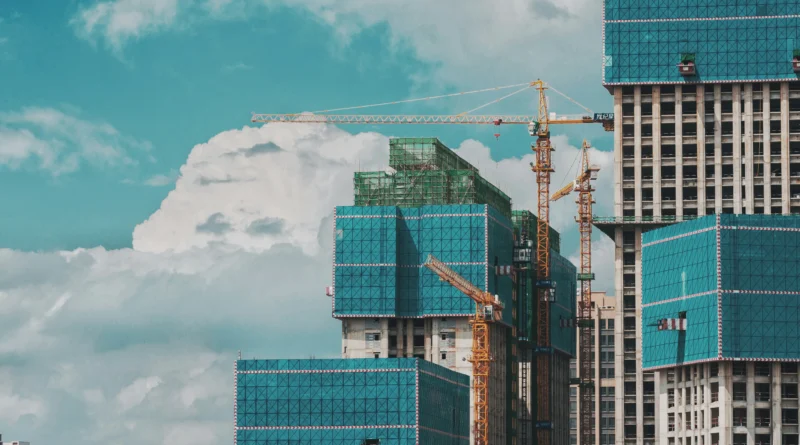
Key Challenges in Modern Building Construction
Today’s building construction has grown into a tricky task. It mixes new tech, green aims, and rule-following needs. Cities keep growing up and out. So, folks in architecture, engineering, and project handling deal with tough problems. These issues call for careful work and quick changes. This piece looks at the main roadblocks in the current building world. It also shows ways experts can handle them well. Honestly, it’s wild how fast things shift sometimes, like when a simple delay turns into a big headache on site.
How Do Material Shortages Affect Building Construction?
Worldwide supply chain issues have turned getting steady materials into a top worry in today’s construction. Projects with solid plans can still hit snags. This happens when prices for steel, cement, or timber jump around without warning. The COVID years made this worse. But even after recovery, not all markets have settled down.
Rising Costs and Supply Volatility
Costs for materials have climbed fast. This comes from higher worldwide needs and shipping jams. For example, steel prices went up more than 200% from 2020 to 2022. Data from the World Steel Association (2023) backs this. Such ups and downs push builders to tweak budgets during the job. This often sparks arguments with clients or helpers. Take a mid-sized office build in Texas last year. Steel costs doubled mid-way, forcing the team to cut corners on finishes just to stay on track.
Dependence on Imported Materials
Lots of areas count on materials from other countries. Shipping paths get blocked or fees change fast. Then, whole chains stop moving. Buying local helps a bit. But it might not match the quality or amount needed for big jobs. In places like the Middle East, where sand and gravel come from afar, one port strike can halt a whole skyscraper project for weeks.
Sustainable Alternatives
To fight shortages, some builders pick reused gravel or man-made wood like cross-laminated timber (CLT). These choices cut harm to the planet. They also spread out where materials come from. Still, using them needs special skills for fitting into designs. Plus, checking how they hold up over time takes effort. I’ve seen teams in Canada switch to CLT for a school build, and it saved time despite the learning curve.
What Role Does Technology Play in Modern Construction?
Switching to digital ways is changing how we map out, draw up, and carry out building work. Items like Building Information Modeling (BIM), drones, and smart data tools aren’t extras anymore. They sit at the heart of staying ahead in the game. It’s funny how some old-school sites still resist, but the ones that adopt it just run smoother.
Integration of BIM Systems
BIM builds a common online space. There, architects, engineers, and builders work together right away. It spots design clashes before the real work starts. It also helps manage the building’s life after it’s done. But plenty of companies still fight with software that doesn’t talk to each other. Or they lack people trained to use it. In a recent hospital project in the UK, BIM caught a pipe conflict early, saving thousands in rework.
Automation and Robotics
Machines that lay bricks by robot or tie rebar on their own boost accuracy. They cut down on needing so many hands. In Japan and spots in Europe, robots handle boring tasks on site. Humans watch over them. But in other places, uptake is sluggish. High startup prices and worker pushback slow it down. Picture a crew in California testing a brick bot—it laid walls twice as fast, though training the operators took a full month.
Data-Driven Decision Making
Smart tools look at past job info to guess risks. Things like extra costs or time slips. This kind of forecasting aids bosses in spreading out tools and people smartly. Yet, the info’s quality is key. Without even reports from all teams, the takeaways can vary. One firm I know used AI to spot a delay in a bridge build, adjusting shifts before it snowballed.
Why Is Labor Shortage a Persistent Problem?
As tech moves forward, skilled hands stay vital for good results in construction. Many nations note fewer trained workers joining the field. It’s a real drag when you need experts but can’t find them, especially on tight deadlines.
Aging Workforce
In spots like the U.S., more than 40% of skilled folks are over 45 years old. U.S. Bureau of Labor Statistics (2023) reports this. Older workers leave quicker than young ones fill in. This creates holes in know-how. It hits hard in niche skills like stone work or wiring setups. During a renovation in New York, the lead electrician retired mid-job, leaving the team scrambling for a replacement with matching skills.
Training and Education Gaps
Job-training classes often fall behind what the field wants. Schools push book learning in engineering. But hands-on learning gets less cash or focus. This gap leaves new grads lost on actual sites. Programs need to mix tech with basics more, like teaching drone use alongside hammer skills.
Attracting Younger Generations
The field’s bad rep—endless hours and tough physical work—keeps kids away. Some outfits try bendy hours or tech gadgets. This draws in young tech fans who like fresh ideas over old ways. A company in Australia added VR training and saw applications jump 30% from under-25s last year.
How Does Sustainability Influence Construction Practices?
Being green has gone from a sales pitch to a must-follow rule in most rich countries. It shapes how buildings get planned, put up, run, and taken down later. Sometimes it feels like every choice has to balance cost and planet, which isn’t always easy.
Green Building Standards
Badges like LEED (Leadership in Energy and Environmental Design) or BREEAM lay out clear goals for power saving and resource use. Hitting these means planning ahead for things like better insulation, smart heating systems, and sun power add-ons. In a mall project in Singapore, LEED rules pushed for solar panels, which paid off in lower bills right away.
Waste Reduction Strategies
Building trash makes up almost 30% of the world’s solid waste. UNEP Report (2022) says so. Factory-made parts cut mess on site. They build pieces exactly off location, then put them together. Reusing old wrecking bits keeps more from dumps. One warehouse build in Germany recycled 80% of demo materials, turning waste into new paths.
Lifecycle Thinking
Green ways go past building into upkeep and tear-down stages. Full-life checks (LCA) weigh long-run effects on the earth. They look beyond quick cash saves. This change needs team-ups across design and tech pros. It’s like planning a house not just for today, but for 50 years down the line, including easy fixes.
What Are the Regulatory Challenges Facing Builders Today?
Rule sets vary a lot by area. But they all get more tangled. Breaking them can stop work cold or bring big penalties. Navigating this maze takes patience, especially when rules shift overnight.
Evolving Safety Standards
Checks after accidents often tighten safety rules. Like updates worldwide after big fires in tall buildings over the past ten years. Builders have to keep up with new fire-safe stuff and escape plans. After the Grenfell Tower event, UK sites added extra cladding tests, slowing starts but saving lives.
Environmental Compliance Requirements
Governments require carbon logs for big jobs over set limits. Filling these needs close tracking of fumes from getting materials to site work. Many outfits do this by hand, which costs time and effort. Digital logs could help, but not everyone has switched yet.
Zoning Laws and Permitting Delays
City growth ramps up fights over land rights. Getting okay slips means dealing with city rules that overlap. It can drag on for months past plans. Talking early with local bosses cuts risks. But it piles on paperwork at the start. In booming areas like Florida, permit waits hit six months for simple homes last season.
How Do Economic Factors Impact Project Viability?
Building ties into larger money ups and downs. Price rises or loan rate changes hit profit edges directly. It’s a rollercoaster—boom times bring work, but squeezes test survival.
Inflationary Pressures
Steep price hikes lift material tabs. They also shrink set contract worths from way back. Builders add rise clauses to guard against future jumps. But buyers push back in bid talks. During 2022’s spike, a road job in India added 15% to the bill via such a clause, avoiding total loss.
Financing Constraints
Climbing loan rates make funding pricier for folks using debt or bonds. Team-ups between public and private sides sometimes plug holes. But they add extra oversight that drags choices. In tough spots, grants for green builds have eased this for some, like eco-homes in Europe.
Market Demand Shifts
After COVID, city move patterns changed needs. Work from home cut office wants. It grew home builds in outer areas. Builders adapt fast to new focuses. They avoid locking into one type too much. Remote trends boosted U.S. suburb projects by 25% in 2023, per industry stats, while downtown offices sat half-empty.
FAQ
Q1: What Is the Biggest Challenge Facing Modern Building Construction?
A: The mix of material lacks, climbing costs, and green rules makes the top issue now. Each pulls on timelines in its own way, but all at once. It’s like juggling chainsaws—drop one, and the whole act falters.
Q2: How Can Technology Improve Efficiency on Construction Sites?
A: Digital aids like BIM smooth team work by finding design issues soon. Drones track job steps right. AI helps spread out supplies using guesses from old jobs. In practice, a site in Dubai cut errors 40% with these tools.
Q3: Why Are Skilled Workers Declining Despite Industry Growth?
A: Young folks skip trade paths over old views of hard labor. Plus, job training doesn’t match new tech well. It’s a cycle—growth needs skills, but skills aren’t coming fast enough.
Q4: How Does Sustainability Affect Project Budgets?
A: Green stuff might bump upfront costs by 5–10%. But power savings pay it back in a few years. LEED studies from USGBC (2023) show this in real builds, like offices that slashed energy bills by half.
Q5: What Measures Help Navigate Complex Regulations?
A: Chat early with law pros who know local rules. Use online tracking for compliance. This cuts wait times and keeps things clear for checks. One tip from vets: build a checklist for every permit stage to avoid surprises.