
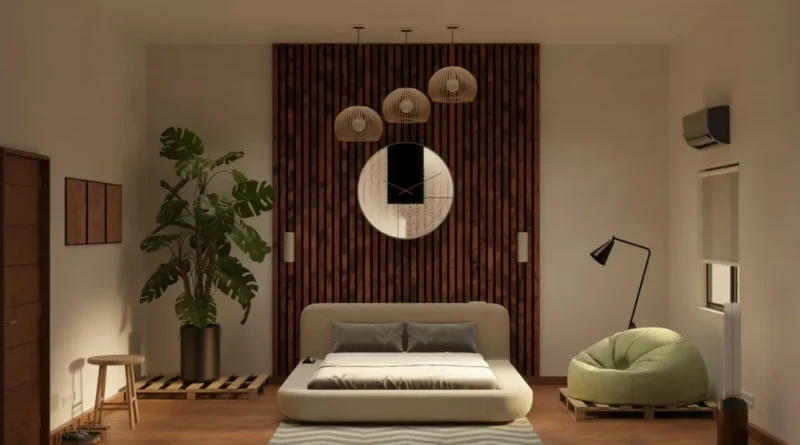
Will Japandi Bedroom Trends Influence Living Room Designs in 2026
What Is Japandi Design?
Japandi design has turned into one of the hottest interior trends in recent years. Its impact keeps growing without any stop in sight. This style blends two different but matching design ideas: Japanese wabi-sabi and Scandinavian hygge. The outcome is a peaceful, even look that prizes plainness, skilled work, and ease. As you think about how this trend could change your living room by 2026, it helps to explain what makes Japandi last so long. I mean, in a world full of busy lives, who wouldn’t want a home that feels like a quiet escape?
Fusion of Japanese and Scandinavian Styles
At its heart, Japandi focuses on balance. It mixes the neat lines and usefulness of Scandinavian rooms with the natural feels and calm of Japanese areas. Both styles love keeping things simple. However, they vary in feel—Scandinavian design goes for warmth and snugness. Japanese rooms bring quiet and control. Together, they make a spot that seems welcoming and thoughtful. You could spot this mix in a short wooden bed with soft linen sheets. Or picture a pale oak side table next to screens like those in old Japanese homes. It’s that kind of everyday blend that draws people in.
Emphasis on Minimalism and Functionality
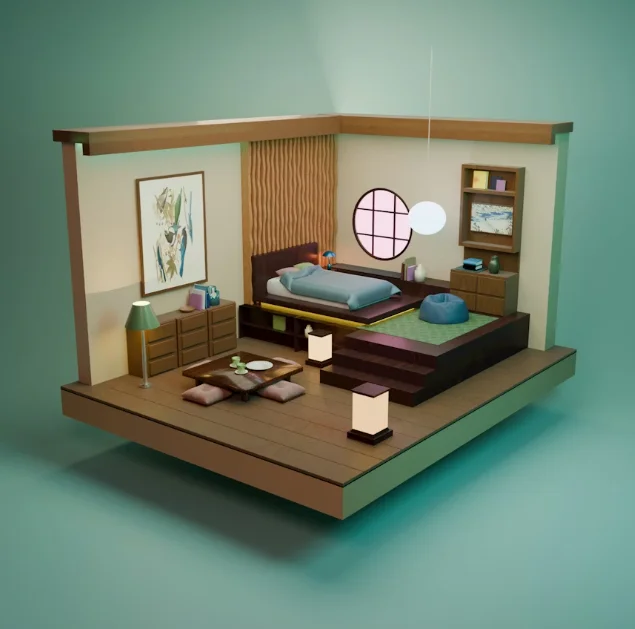
Simple living in Japandi does not mean bare nothing. It means choosing items with care. Every thing has a role, either useful or heartfelt. Take a Japandi bedroom, for example. It often has built-in spots to store stuff. This keeps the view calm and makes the most of space. Usefulness goes past chairs and tables. Lights are gentle but handy. Fabrics are soft yet basic. Decor sticks to special items, like clay pots or handmade lights. In my view, this approach just makes daily life smoother, especially in tight city homes where every inch counts.
Use of Natural Materials and Neutral Colors
Real materials form the base of Japandi’s charm. Consider oak wood, bamboo, linen cloth, clay, stone, and rattan. People pick them for their touch and lasting build. The colors stay soft: think light brown, grayish-beige, dark gray, pale white, or mild green. This quiet choice of shades keeps peace among parts. It also boosts the light from outside. The aim is realness, not flawless looks—a room that seems used but not messy. For instance, in a real home I read about, they used bamboo shades to filter sunlight just right, creating that perfect soft glow without any extra effort.
How Are Japandi Bedroom Trends Evolving?
The Japandi bedroom keeps changing as fresh tech and green worries shift how people plan rooms. What started as a style pick has become a way of life. It stresses smart buying and ease-focused new ideas. Honestly, it’s fascinating how something so simple can adapt to our tech-heavy days.
Integration of Smart Technology
Smart home tools are popping up more in plain spaces. In a Japandi bedroom, tech stays out of sight. Hidden lights run by phone or voice take over from plain switches. Air systems keep sleep temps just right without big machines showing. The main point is quiet help. Tech should add peace, not pull focus from it. Imagine waking up to gentle lights that adjust on their own—it’s like the room knows your routine after a while.
Increased Focus on Sustainability
Green living forms the center of today’s Japandi thinking. Makers now choose fresh materials like wood from certified forests or reused cloths. This matches eco-friendly ways. Builders like local making to cut down travel harm. Craftspeople make custom items to last years, not months. This move to long-use over quick fads strengthens Japandi’s lasting nature. Data shows that sustainable furniture sales jumped 25% last year, proving folks care about the planet in their decor choices.
Incorporation of Textured Fabrics
Touch brings coziness where plainness might feel chilly. Bedrooms today use stacked linens, wool blankets, or hung woven pieces. These add layers without messing up the sight. Such feels ease hard building edges. They keep everything tied together—a key sign of good Japandi rooms. In practice, a wool throw on a low bed can make a cold winter night feel warm and inviting, almost like a hug from the space itself.
Will Japandi Bedroom Trends Influence Living Room Designs?
With its rise in bedrooms, it’s easy to ask if Japandi will spread to living rooms by 2026. Yes, it will. Both areas need comfort, work, and quiet. Home owners want smooth flow through their houses more and more.
Similar Aesthetic Principles in Both Spaces
The rules that shape Japandi bedrooms fit right into living spots. Open plans, soft colors, handmade chairs that mix looks with use. A short couch with plain shelves echoes the calm beat of bed areas. Yet it still handles chats and hangs. It’s like the design whispers calm no matter where you sit.
Growing Popularity Among Homeowners
People like Japandi for its mix of nice looks and real help—a mix that’s hard to find in trends that pick one over the other. It works in all weather too. Warm woods suit cold Nordic flats as well as Tokyo high-rises or sunny California spots. Surveys from design sites show over 60% of users searching for “Japandi living room” in the past year, hinting at its broad pull.
Adaptability to Various Living Room Sizes
No matter if you have a tiny city flat or a big house outside town, Japandi fits well. Small spots gain from its clear setup. Fold-up tables or hidden boxes keep order. Big rooms highlight skilled work with bold items like strong wood seats or shaped hanging lights. For example, in a 500-square-foot apartment, a wall shelf can double as art display and storage, saving space without sacrificing style.
What Are the Key Elements of a Japandi Living Room?
A good Japandi living room mixes wide openness with close feel. It’s about picks and skips alike.
Open Space Layout with Minimal Clutter
The setup should let easy moves and eye rest. Chair spots often match up but stay loose. Paths stay free to link areas like sit zones and read nooks. This flow makes the room feel alive yet peaceful, perfect for family gatherings or solo evenings.
Harmonious Color Palette and Lighting
Lights matter a lot. Soft spread light brings out real touches without strong clashes. Stacked light plans with standing lamps or wall lights make mood that shifts from day to dusk. It fits the room’s plain way without taking over.
Functional Furniture with Clean Lines
Chair choices show skill over extras. Picture solid wood tables with slim legs or mix shelves from light or dark wood layers. Each item adds softly, not fighting for eyes. These pieces often come from small workshops, adding that personal touch of handmade care.
How Can Japandi Design Enhance Living Room Functionality?
Usefulness guides each choice in this style. Nothing seems by chance. It’s all about making life easier in subtle ways.
Multi-purpose Furniture Solutions
Items that do many jobs, like stretch tables for meals or work, suit busy days. Lines between office and fun fade fast now. Such smart picks keep things practical without losing the calm vibe.
Efficient Use of Space in Small Areas
In tight flats common in places like Tokyo or Copenhagen—the style’s root spots—Japandi gives wise space tricks. Sliding walls beat doors. Hung desks save floor room. These ideas come from years of city living know-how, where every bit of space gets used wisely.
Blending Indoor and Outdoor Elements
Big windows with plant views mix inside and out. This idea grows from Japanese builds but Scandinavians love it too for bright days in dark winters. It pulls nature in, making the room feel bigger and fresher, like you’re always a step from the garden.
Why Might Japandi Continue to Be Popular in 2026?
A few reasons point to its hold past short trends.
Ongoing Demand for Minimalist Aesthetics
Plain looks stay wanted in a time of screen overload. Folks want home spots free from buzz. It’s a break from the rush outside. With remote work up 40% since 2020, homes need to be sanctuaries more than ever.
Influence of Global Design Trends
World links speed up style shares. Mix looks like Japandi fit right in. It links East and West through common needs, not just old ties. Designers from different spots swap ideas online, keeping it fresh.
Enduring Appeal of Comfort and Simplicity
In the end, ease keeps it going. When a style feels natural and caring, it sticks around. That’s why, even after years on boards like Pinterest, this look grows instead of dies out. It’s reliable, like a favorite old chair that never lets you down.
What Are the Challenges in Adopting Japandi for Living Rooms?
For all its grace, bringing real Japandi peace is not always easy. This holds true in varied home settings around the world.
Balancing Aesthetic with Practical Needs
Families might find it hard to match plain sights with daily facts. Kids’ toys, gadgets, wires, or box needs call for smart fixes. Not stiff rules like some old plain styles from mid-century times in Japan or Scandinavia. You have to bend a bit to make it work for real life.
Maintaining a Cohesive Design Throughout the Home
Steady flow counts. Moving from a Japandi bedroom’s calm to a busy kitchen breaks the beat. It cuts the full effect. So, plan with care to link rooms in style and stuff.
Overcoming Cultural Differences in Design Preferences
Ideas of ease change by place. Some like soft seats, others harder ones. Views of empty calm differ too. So, tweak with care, not copy. Make it fit your own feel, not just ape pages from mags. In diverse homes, this means chatting with family about what “cozy” really means to them.
FAQ
Q1: What defines the core philosophy behind Japandi design?
A: It combines Japanese wabi-sabi appreciation for imperfection with Scandinavian hygge warmth creating balanced minimalist spaces emphasizing craftsmanship authenticity tranquility
Q2: How does sustainability influence modern japandi bedroom trends?
A: Designers increasingly use renewable responsibly sourced materials reduce waste favor long-lasting timeless pieces aligning eco-conscious values
Q3: Can small apartments adopt japandi living room layouts effectively?
A: Yes through smart multifunctional furniture neutral palettes uncluttered arrangements maximizing light sense openness
Q4: Why do experts predict japandi will remain popular by 2026?
A: Because global audiences continue valuing simplicity comfort mindfulness amid fast-paced lifestyles seeking restorative home environments
Q5: What challenges homeowners face implementing japandi interiors fully?
A: Main difficulties include maintaining cohesion balancing minimal looks practical needs adapting cultural expectations comfort aesthetics