
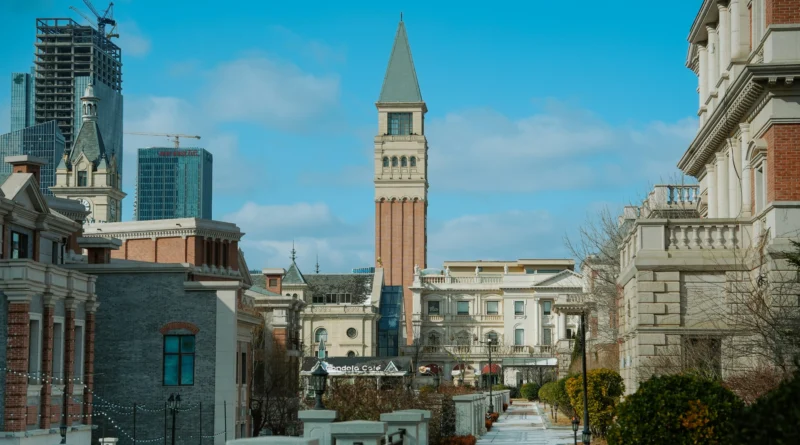
How Architecture Shapes Building Style Around the World
Architecture goes beyond a simple skill. It acts as a way for cultures to show their thoughts, daily lives, and ways of handling surroundings. Look at structures in various places around the globe. You will notice more than just choices in design. You see deep layers of past events, reactions to weather, and changes in tools over time. This piece looks into how architecture forms building styles in different parts of the world. It shows the careful mix of old ways and new ideas.
How Does Climate Influence Architectural Styles?
Weather has long decided how folks construct their homes and buildings. Think of the heavy stone barriers in homes near the Mediterranean Sea. Or picture the wide-open bamboo setups in warm spots of Asia. People pick these materials and shapes to control inside temperatures. They also deal with nearby weather conditions. Builders today often turn to age-old tricks for ideas. This helps create green solutions that last.
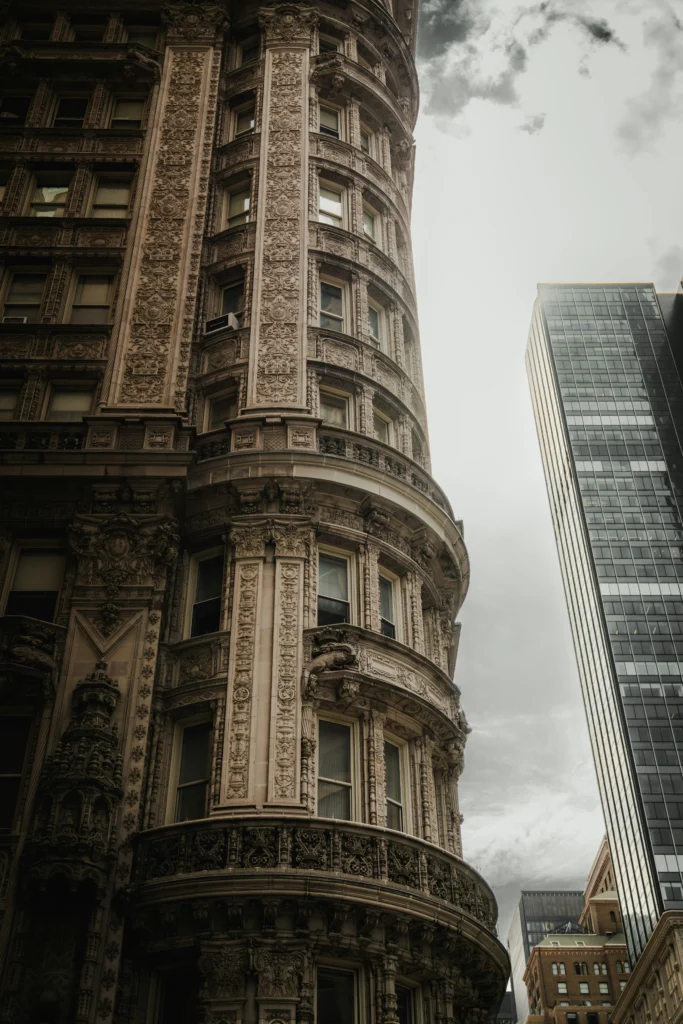
Vernacular Design Adaptations
Local building styles come from real needs in the area. They use what’s on hand nearby. In very warm places like North Africa, builders make thick walls from adobe. These walls soak up heat all day. Then, they let it out slowly at night. This keeps the inside cool. On the other hand, places in the Nordic areas use slanted roofs. These help snow slide off easily. Such choices aren’t random. They grow from smart fixes to nature’s challenges. Generations have improved them step by step.
Material Choices Based on Environment
What people build with often matches the land around them. Wood takes center stage in spots full of trees, like Scandinavia or Japan. Stone rules in hilly lands such as Greece or Peru. In dry areas, folks use mud bricks or packed earth. These give good warmth control. Plus, they come from right there locally. Today’s builders look back at these area-specific items more and more. They do this for reasons tied to the earth’s health.
Modern Climate-Responsive Architecture
New projects blend tech with old knowledge. They create smart ways to handle weather. Take passive solar setups, plant-covered roofs, and air flow from nature. These show a fresh push toward lasting practices. For example, in Dubai, tall buildings use screens that block sun. These screens draw from old mashrabiya designs. They cut down on extra heat. At the same time, they keep a link to Islamic building looks.
Why Do Cultural Values Shape Architectural Identity?
Culture sets how groups show who they are through spaces and shapes. Every group weaves its ideas and habits into what they build. This can happen quietly with small details like patterns. Or it can stand out big with huge sizes that catch the eye.
Symbolism in Religious Structures
Places of worship often show a group’s spirit in the strongest way. In Europe, tall Gothic cathedrals point up to the sky. They stand for reaching toward higher powers. In India, Hindu temples tell stories of the universe. They do this with detailed cuts in stone. Every part works for faith and for coming together as people.
Social Hierarchy and Urban Form
What we build can tell about how society is set up. Old cities in China stuck to special rules from nature’s lines. These matched the power of leaders. In the same way, towns from colonial times split areas on purpose. They kept official spots away from local homes. Such space setups mirrored the rules of power.
Cultural Revival in Contemporary Design
A lot of current builders rework old styles instead of dropping them. Look at the National Museum of African American History and Culture in Washington D.C. It uses panels in a bronze shade. These nod to art from the Yoruba people. Yet, it mixes in top tech. This blend of past and now touches folks everywhere. It’s a reminder that holding onto roots can feel fresh in busy modern life.
How Has Technology Transformed Global Architecture?
Advances in tools keep changing what builders can do. This started way back with concrete in ancient Rome. Now, it includes ways to make things with computers.
Structural Innovations Through History
Steel frames came in during the 1800s. They changed city views forever. Skyscrapers became possible, like the Home Insurance Building in Chicago from 1885. Later, strong concrete opened up even more options. It let shapes flow freely. Think of Le Corbusier’s chapel at Ronchamp. Its curves feel alive because of that material.
Digital Design Tools
Tools like computer-aided design, or CAD, shift how builders plan. So do ways to model with parameters. Shapes that were too hard to draw by hand now show up often. Projects like Zaha Hadid’s Heydar Aliyev Center in Baku prove it. Its smooth waves come from math worked out by machines. Not just gut feelings from the designer.
Smart Materials and Construction Techniques
Fresh items like concrete that fixes itself or glass that catches sun power make spots tougher. They also save energy. Printing in 3D helps test ideas fast. Or even build whole things with less trash. This matters a lot for cheap homes in many countries. I’ve seen small teams use it to put up houses in just days, cutting costs by half in some spots.
What Role Does Urbanization Play in Shaping Modern Architecture?
Fast growth in cities pushes builders to think again about crowds, getting around, and nice living spots. All this happens in tight areas. Urban places turn into test grounds. Here, how people act mixes with new space ideas. It’s not always smooth—traffic jams and noise add real headaches to the mix.
Vertical Living Solutions
Tall apartment blocks handle more folks moving in. But they bring up worries about talking to neighbors. Some builders now make high-up areas feel like small towns. They add shared green spots or walkways in the air. This brings back chats and play that happen on the ground. Even at great heights, it works—think of families waving from balconies in places like Singapore.
Adaptive Reuse of Existing Structures
Rather than tearing down old spots, reuse gives them fresh jobs. Old factories become cozy living spaces. Warehouses turn into spots for art and events. This saves the past. It also cuts down on new building mess. Groups like UN-Habitat push for it in their 2022 plans. In my view from watching projects, it often saves up to 70% on materials compared to starting from scratch.
Transit-Oriented Development
Linking bus and train stops right to homes cuts down on car use. It makes walking easy too. Spots like Copenhagen show the way. They mix bike paths with areas for living, shops, and work. This builds spots that run well. It also helps people connect more. Riders hop off and stroll to a cafe in minutes—simple changes like that make daily life smoother.
How Do Globalization and Local Traditions Interact in Architecture?
Ideas from around the world spread quick these days. But that can make designs look too much the same everywhere. The trick is to mix big-world trends with home stories. Do it without losing what makes a place special.
International Style Influence
Back in the early 1900s, the International Style put work over fancy bits. It favored clear glass fronts, big open rooms, and little decoration. You see it from New York to Tokyo. Sure, it’s handy. But some say it skips over what makes each spot unique. Like, a glass tower in the desert feels out of place sometimes.
Regionalism as Counterbalance
Builders like Hassan Fathy or Geoffrey Bawa pushed back with “critical regionalism.” They mixed new ways with hand-made local work. And forms that fit the weather. Their projects prove you can matter worldwide. Yet still hold tight to your own area’s feel. Fathy’s homes in Egypt, for instance, used mud bricks in ways that cooled naturally—practical for hot days.
Cross-Cultural Collaborations
Design teams now work across borders often. They pull skills from many places into mixed-up builds. Take Singapore’s Gardens by the Bay. It joins sharp British know-how with ideas from Southeast Asia about nature. It’s like two worlds shaking hands in a garden. Flowers bloom under huge domes, drawing crowds year-round—over 50 million visitors since opening, blending fun with green tech.
How Is Sustainability Redefining Architectural Practice?
Being kind to the planet has gone from a side idea to the main goal. It guides building around the world to care more for nature.
Energy Efficiency Strategies
Planners focus on ways to cool without machines. They bring in lots of natural light. And add power from sun or wind. All this beats heavy use of fans or heaters. Net-zero spots make as much energy as they use in a year. More countries now require this in their rules, per the IEA Report 2023. In practice, it means bills drop by 30% for owners—real savings that add up.
Water Conservation Methods
Systems to reuse sink water and catch rain are common now. This fits dry spots like Australia or California. Even simple fixes, such as ground that lets water soak in, fight city floods. Data from NOAA in 2021 links this to weather shifts. One project I recall in LA saved thousands of gallons daily just by routing roof runoff to tanks.
Biophilic Design Movement
This way brings bits of the outdoors inside. Green walls climb up sides. Plants fill rooms. It boosts how people feel better. And links us back to green spaces in crowded towns. Workers in such offices report less stress—studies show mood lifts by 15% with just a few trees around.
FAQ
Q1: What is the main factor influencing regional architectural diversity?
A: Climate stays as a key driver. It sets what materials to use, how to face the building, and the layout of rooms in various lands.
Q2: How does culture affect architectural aesthetics?
A: Group beliefs guide the signs, colors, sizes, and patterns that set one area’s builds apart from others.
Q3: What technologies are currently transforming construction practices?
A: Tools for modeling like BIM, or Building Information Modeling, plus robot help in making things and strong new mixes change how we plan and put up structures everywhere.
Q4: Why is adaptive reuse gaining popularity among architects?
A: It keeps resources safe by giving old builds new roles. No need to knock them down. This holds onto history’s charm in today’s towns.
Q5: How does sustainability influence contemporary design decisions?
A: Green building weaves in power from clean sources, kind materials, ways to handle water, and touches of nature. All this cuts harm to the earth. Yet it keeps looks nice and spots comfy.