
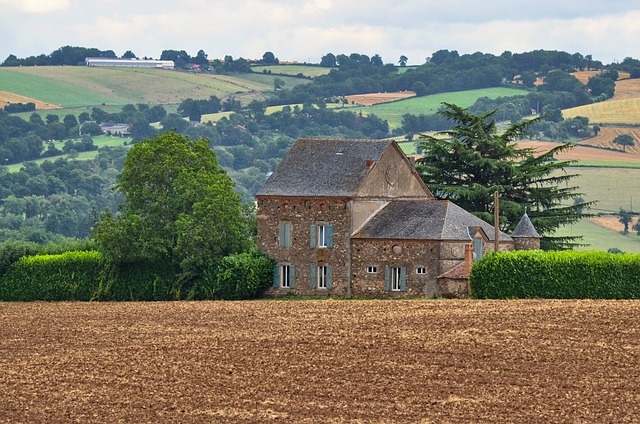
How Can Farm House Home Plans Elevate an 800-Square-Foot Cottage Design
How To Design An 800-Square-Foot Cottage That Feels Like A Dream
Designing an 800-square-foot cottage that feels expansive and refined requires more than clever floor plans—it demands a disciplined approach rooted in farmhouse design principles. The essence lies in balancing simplicity with craftsmanship, blending rustic charm with modern practicality. By adopting open layouts, natural materials, and classic detailing, small homes can achieve both warmth and sophistication. When executed correctly, these compact spaces embody the timeless appeal of traditional farm house home plans while delivering the comfort and efficiency expected in contemporary living.
Integrating Farmhouse Design Principles into Compact Cottage Layouts
Farmhouse architecture has long symbolized comfort and utility. Translating these values into a smaller cottage format means preserving their emotional warmth while refining spatial precision for modern constraints.
The Essence of Farmhouse Architecture in Small-Scale Homes
Classic farmhouses were built for purpose—each element served a function. Their design emphasizes simplicity, symmetry, and connection to nature. In compact cottages, these traits translate into uncluttered layouts that prioritize usability over ornamentation. Open spaces framed by natural wood beams or stone accents evoke a sense of permanence without visual heaviness. Even in limited square footage, maintaining proportion between structure and material ensures the home feels balanced rather than cramped.
Translating Farmhouse Aesthetics into an 800-Square-Foot Cottage
An 800-square-foot layout thrives on strategic planning. Each zone must serve multiple roles without compromising flow. Rustic finishes like whitewashed oak or matte iron fixtures bring tactile depth while keeping the palette cohesive. Incorporating farmhouse staples such as shiplap walls or exposed rafters lends authenticity and rhythm to interiors. These touches remind occupants of rural craftsmanship yet remain subtle enough for modern sensibilities.
Optimizing Spatial Flow with Farmhouse-Inspired Layouts
Spatial flow determines whether a small cottage feels airy or confined. Borrowing from farmhouse openness allows smaller homes to feel generous through light, continuity, and thoughtful zoning.
Open-Concept Living for Enhanced Airiness
Removing partitions between kitchen, dining, and lounge areas creates seamless transitions that echo the communal spirit of traditional farmhouses. Large windows positioned along parallel walls invite cross-ventilation and amplify daylight penetration—essential for visual spaciousness. Skylights above central corridors further extend vertical perception, making ceilings appear higher than they are.
Functional Zoning Within Limited Space
Defined zones can exist without physical barriers. Furniture placement—like a low-backed sofa dividing lounge from dining—creates intuitive boundaries while preserving openness. Dining nooks doubling as workstations exemplify multifunctionality critical in small dwellings. Maintaining consistent flooring materials such as wide-plank wood ties spaces together visually, enhancing perceived scale.
Material Selection and Texture Harmony in Farmhouse Cottages
Materiality defines atmosphere more than size does. In compact homes, every surface contributes to sensory balance between rustic authenticity and modern performance.
Balancing Rustic Elements with Modern Efficiency
Reclaimed timber beams paired with polished concrete floors deliver contrast between tradition and innovation. Stone hearths or metal-framed shelving nod to agricultural heritage yet align with sustainability goals when sourced responsibly. Advanced insulation systems hidden within vintage-style walls maintain energy efficiency without altering aesthetic integrity—a hallmark of evolved farm house home plans.
Color Schemes and Finishes That Amplify Space Perception
Neutral color palettes remain foundational: whites expand light diffusion; creams soften transitions; grays ground visual weight. Matte finishes highlight texture depth while minimizing glare across compact interiors. Introducing muted earth tones—sage green cabinetry or clay-colored textiles—adds quiet contrast that preserves serenity rather than crowding perception.
Architectural Detailing That Defines Character in Compact Designs
Architectural details distinguish a well-designed small cottage from a generic one. Each exterior line or interior trim reinforces narrative continuity rooted in farmhouse lineage.
Exterior Features Reflecting Farmhouse Heritage
Scaled-down gabled roofs maintain proportionate pitch suitable for smaller footprints while preserving iconic silhouette recognition. Board-and-batten siding paired with wraparound porches evokes rural familiarity without excess ornamentation. Landscaping choices—native grasses, gravel paths, wooden fencing—extend architectural coherence outdoors through organic texture repetition.
Interior Details That Reinforce Cohesion and Style Continuity
Built-in cabinetry along alcoves eliminates clutter while showcasing craftsmanship typical of early farmhouse joinery traditions. Wainscoting or beadboard millwork introduces tactile layering that enriches plain walls economically. Lighting fixtures inspired by vintage barns—iron pendants or glass lanterns—anchor ambiance with understated nostalgia.
Enhancing Livability Through Farmhouse-Inspired Functionality
Compact living demands adaptability beyond aesthetics; every inch must contribute to comfort and usability aligned with farmhouse practicality.
Smart Design Strategies for Comfort in Small Spaces
Vertical storage systems transform dead corners into efficient solutions using shelving up to ceiling height. Sliding barn doors replace swing types to save clearance area while reinforcing stylistic unity. Window seats equipped with hidden drawers merge leisure with storage subtly—a practical nod to rural ingenuity where nothing was wasted.
Sustainable Practices Aligned with Farmhouse Philosophy
Farmhouses historically thrived on self-sufficiency; today’s version aligns this ethos with environmental stewardship. Locally sourced lumber reduces transport emissions while celebrating regional identity through material authenticity. Passive solar orientation—large south-facing windows paired with deep eaves—moderates interior temperature naturally year-round. Integrating rainwater harvesting tanks discreetly beneath porches sustains irrigation needs sustainably without disturbing aesthetics.
Adapting Traditional Farmhouse Plans to Contemporary Lifestyles
Modern occupants expect flexibility within nostalgic frameworks; thus adapting farmhouse typologies means merging timeless form with evolving daily routines seamlessly.
Blending Classic Form with Modern Living Needs
Today’s kitchens act as social hubs rather than isolated work zones; open counters encourage interaction reminiscent of communal farmhouse tables but fit urban rhythms better. Compact reading corners tucked beneath staircases or lofted nooks provide retreat spaces aligned with quieter contemporary habits like remote work or meditation—all within traditional spatial logic emphasizing coziness over grandeur.
The Role of Technology in Enhancing Functionality Without Compromising Style
Smart thermostats discreetly regulate indoor climate behind reclaimed wood panels; wireless lighting systems preserve wall purity free from visible switches or cords. Energy-efficient appliances blend behind shaker-style cabinetry maintaining period consistency externally yet performing at modern standards internally. Digital modeling tools now allow precise visualization of small-scale farm house home plans before construction begins, minimizing waste during execution stages while achieving exact aesthetic goals.
FAQ
Q1: What makes an 800-square-foot cottage feel larger?
A: Open layouts combined with abundant natural light and consistent flooring create uninterrupted visual flow that expands perceived space significantly.
Q2: Which materials best capture authentic farmhouse character?
A: Reclaimed wood, natural stone, wrought iron accents, and limewash finishes convey genuine rustic charm while remaining durable under modern use conditions.
Q3: How can sustainability be integrated into small farmhouse cottages?
A: Through passive solar orientation, local material sourcing, proper insulation systems, and rainwater collection methods that reduce dependence on external utilities.
Q4: Are traditional farm house home plans adaptable for urban lots?
A: Yes, by scaling proportions appropriately and replacing expansive porches with compact stoops or rooftop terraces maintaining stylistic continuity within city constraints.
Q5: What design detail most influences livability in compact cottages?
A: Built-in multifunctional elements such as storage benches or convertible furniture provide flexibility vital for everyday comfort without compromising spatial clarity.