
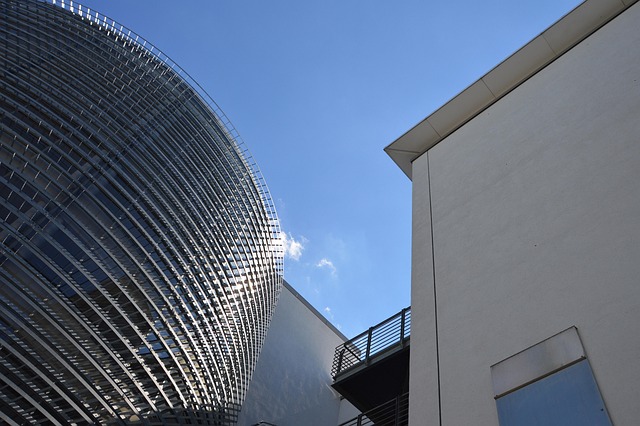
Are Modern Style House Plans Redefining the Future of Floor Design
Designers Say the Modern Floor Plan Is Changing Here’s How
Modern style house plans have evolved from rigid compartmentalization to fluid, adaptive living environments that mirror social and technological shifts. The modern floor plan is no longer just a matter of aesthetics; it’s a reflection of changing lifestyles, sustainability demands, and digital integration. Architects are rethinking spatial flow, embracing minimalism, and merging indoors with outdoors to create homes that feel both expansive and efficient. Data-driven design tools and smart systems now guide how spaces function day-to-day. The result is a new architectural language that values openness, flexibility, and ecological intelligence over ornamentation.
The Evolution of Modern Style House Plans
The story of modern residential architecture is one of transformation—from static layouts to dynamic living ecosystems. As urban density increases and environmental awareness deepens, design priorities continue to shift toward adaptability and sustainability.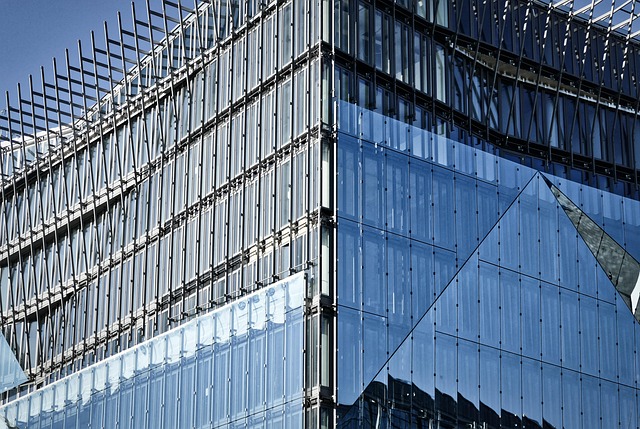
Shifts in Architectural Priorities Over Time
The move from compartmentalized rooms to open layouts marked a turning point in modern design. Walls once symbolized privacy but now often represent barriers to light and communication. Post-industrial influences brought functional simplicity—steel frames, exposed concrete, and large windows—that emphasized honesty in materials. Over time, energy efficiency became central: passive solar orientation, compact footprints, and insulated envelopes are now standard expectations rather than luxuries.
The Role of Technology in Modern Floor Design
Technology has changed not only how architects design but also how people live inside their homes. Digital modeling tools allow precise control over spatial relationships before construction begins. Smart home systems—lighting automation, zoned climate control, integrated security—reshape room hierarchies by making every square meter responsive. Data analytics further refine these designs; by tracking occupant movement patterns or daylight intensity, architects create spaces that actively enhance comfort while reducing waste.
Defining Characteristics of Modern Style House Plans
Modern style house plans share a visual clarity that hides complex thinking beneath simple forms. Each element serves both function and emotion: openness fosters connection; minimalism calms the mind; transparency blurs boundaries between built form and nature.
Open-Concept Living Spaces
Open-concept layouts eliminate unnecessary partitions to let light travel freely across zones. Kitchens merge with dining areas; living rooms extend visually into gardens or terraces. This continuity not only improves ventilation but also supports social interaction—families cook, talk, and relax within the same visual field. Psychologically, open space reduces stress by removing physical clutter and enhancing perceived freedom.
Minimalism and Functional Aesthetics
Minimalism in architecture is less about emptiness than intention. Clean lines and neutral palettes create harmony between objects and voids. Function dictates form: cabinetry doubles as walls; furniture folds away when not in use. This restraint allows residents to focus on experience rather than possession. It’s an aesthetic discipline rooted in practicality yet capable of emotional warmth when paired with natural textures like wood or stone.
Integration of Indoor and Outdoor Environments
Contemporary homes increasingly dissolve the line between interior comfort and exterior openness. Large glazing systems transform facades into transparent membranes connecting living rooms with landscapes beyond. Courtyards act as microclimates that regulate temperature while offering private outdoor retreats. Patios extend dining areas under shaded canopies where architecture meets ecology seamlessly.
Spatial Innovation in Contemporary Floor Design
Today’s floor plans respond to constant change—remote work trends, multigenerational households, or shifting urban densities demand spaces that adapt gracefully over time.
Flexible and Adaptive Layouts
Flexibility defines the new normal in residential planning. Modular partitions slide or fold to redefine zones instantly—a guest room becomes an office within minutes. Designers anticipate life stages: children’s playrooms evolve into study corners or fitness areas without structural modification. This adaptability safeguards long-term usability while minimizing renovation waste.
Verticality and Multi-Level Interaction
Vertical space is no longer just for staircases; it’s part of daily experience design. Mezzanines create intimacy above public zones without sacrificing openness below. Split levels differentiate functions subtly through elevation changes rather than walls. Double-height volumes bring daylight deep into interiors while improving cross-ventilation—an elegant solution balancing drama with performance.
Sustainability as a Driver of Modern Floor Planning
Sustainability isn’t an add-on anymore—it shapes every decision from orientation to material choice.
Energy Efficiency Through Spatial Design
Architects now treat energy performance as intrinsic to layout composition. South-facing glazing captures winter sun while roof overhangs prevent overheating in summer. Compact footprints reduce heat loss through minimized surface area. Solar panels integrate seamlessly into roof geometry instead of appearing as afterthoughts, turning form itself into infrastructure for renewable generation.
Material Selection and Environmental Responsiveness
Material selection reflects both ethics and aesthetics in modern style house plans. Locally sourced timber reduces transport emissions while preserving regional identity. Recycled steel frames provide structural strength with lower embodied carbon than virgin alternatives. Thermal mass materials like concrete or rammed earth stabilize indoor temperatures naturally, cutting reliance on mechanical systems—a quiet partnership between physics and beauty.
The Influence of Lifestyle Trends on Modern House Plans
Lifestyle evolution drives architectural innovation faster than any other factor today—from dense city living to remote work culture reshaping domestic priorities.
Urban Living and Compact Design Solutions
Urbanization forces creativity within constraint. Micro-apartments under 40 square meters now feature movable walls, fold-out beds, even retractable kitchens—all engineered for spatial efficiency without sacrificing comfort. Shared amenities such as rooftop gardens or co-working lounges foster community within limited land supply—a collective response to individual space scarcity.
The Rise of Hybrid Living Spaces Post-Digital Transformation
Digital transformation blurred traditional domestic boundaries forever. Workstations appear beside dining tables; entertainment hubs coexist with study nooks; acoustic zoning replaces physical separation for privacy in open-plan settings. Designers incorporate sound-absorbing materials or sliding glass panels that maintain transparency yet manage noise—a subtle choreography balancing productivity with relaxation.
Future Directions in Floor Design Innovation
The next decade will see predictive technologies merging with emotional design philosophies—homes that learn from their occupants while expressing cultural identity through form.
Predictive Design Through Artificial Intelligence and Data Analytics
AI-driven modeling already simulates occupant behavior before construction begins—predicting circulation bottlenecks or lighting inefficiencies based on real data sets from previous projects (as explored by ISO standards on building information modeling). Predictive algorithms refine ergonomics continuously after occupancy through sensor feedback loops that adjust lighting or temperature automatically for well-being optimization.
Evolving Aesthetic Philosophies in Modern Architecture
Modern minimalism continues evolving through regional reinterpretations blending local vernacular cues with global sensibilities—think timber lattices shading glass boxes or stone plinths anchoring steel frames to terrain contours (a trend noted by IEA studies on sustainable housing). Emotional resonance becomes measurable through proportioning systems where light rhythm defines mood more than decoration ever could—a quiet revolution linking craftsmanship back into digital fabrication processes shaping tomorrow’s floor plans.
FAQ
Q1: What makes modern style house plans different from traditional ones?
A: They emphasize open layouts, minimal ornamentation, flexible functions, and strong connections between indoor and outdoor spaces rather than separate formal rooms typical of older designs.
Q2: How does technology influence modern home layouts?
A: Digital modeling enables precise planning before construction while smart home systems adjust lighting, climate, and security dynamically according to usage patterns.
Q3: Are modern floor plans more sustainable?
A: Yes, they integrate passive solar strategies, efficient envelopes, renewable systems like photovoltaics, and materials chosen for low environmental impact throughout the design process.
Q4: Why is flexibility important in contemporary houses?
A: It allows spaces to evolve alongside occupants’ lifestyles—supporting remote work today or family expansion tomorrow without major reconstruction costs.
Q5: What future trends will shape residential architecture?
A: Predictive AI modeling for spatial behavior analysis, hybrid indoor-outdoor compositions responding to climate resilience goals, and renewed interest in tactile craftsmanship within digital production methods will define the next generation of modern homes.