
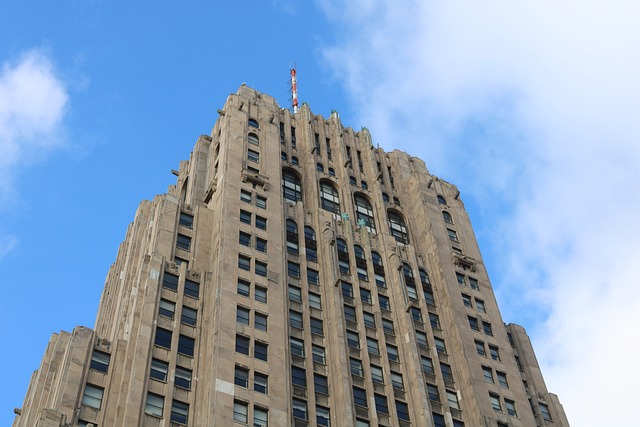
Can Art Deco Buildings Redefine the Value of an Unobtrusive Structure
An Unobtrusive, Battered Building Is an Art Deco Jewel
A weathered façade can conceal architectural brilliance. The quiet dignity of a worn Art Deco structure often tells a deeper story than the polished monuments around it. These art deco buildings, marked by modest lines and aged surfaces, embody both restraint and richness. They merge functional design with ornamental subtlety, proving that elegance need not shout to be seen. This article explores how unobtrusive architecture and Art Deco ideals converge, revealing why a battered exterior can still shine as a cultural and aesthetic treasure.
Understanding the Concept of Unobtrusive Architecture?
In architectural discourse, unobtrusiveness refers to more than invisibility—it is about harmony with context. Buildings designed with restraint often enhance their surroundings by complementing rather than dominating them. This approach reflects both environmental sensitivity and timeless craftsmanship.
Defining Unobtrusiveness in Architectural Terms
Subtlety in architecture arises from proportion, material honesty, and contextual respect. Rather than competing for attention, unobtrusive structures frame the environment and allow light, texture, and shadow to define their character. They maintain identity through quiet coherence rather than overt symbolism.
How Unobtrusive Buildings Blend With Their Surroundings Without Losing Identity
Such buildings integrate local materials and respond to climate or topography while preserving distinct form. A limestone-clad civic hall or a small Art Deco cinema may echo neighboring structures yet remain identifiable through refined detailing or rhythmic fenestration.
The Historical Evolution of Modest Architecture in Urban Contexts
Historically, modest design emerged as a counterpoint to industrial exuberance. Early twentieth-century architects sought balance between progress and permanence, favoring simplicity after decades of decorative excess. This ethos prepared the ground for movements like modernism—and even influenced restrained interpretations within Art Deco itself.
The Relationship Between Functionality and Aesthetic Modesty
Functionality anchors unobtrusive architecture. When purpose dictates form, ornament becomes secondary but not absent; it transforms into subtle articulation that supports use without distraction.
Functional Design Choices That Prioritize Purpose Over Ornamentation
Architects often reduce embellishment to emphasize circulation, light control, or structural clarity. In this sense, beauty arises from logic—doorways align with sightlines, windows follow sun paths, and façades breathe with their interior rhythm.
The Balance Between Visual Quietness and Architectural Significance
A visually quiet building can still hold symbolic weight through its civic role or spatial generosity. For instance, small municipal libraries built during the interwar years combined plain exteriors with dignified symmetry—a silent confidence typical of early modern public works.
Examples of Understated Buildings That Hold Cultural or Historical Value
Many art deco buildings in secondary cities illustrate this duality: decorative yet disciplined. Weathered cinemas or train stations retain ornamental motifs but avoid ostentation. Their patina adds authenticity that polished restorations sometimes lose.
The Essence of Art Deco as a Design Movement?
Art Deco represents optimism shaped by industry and artistry. Emerging in the 1920s, it translated machine-age precision into geometric elegance while celebrating craftsmanship.
Core Characteristics of Art Deco Architecture
The style favors symmetry, stepped profiles, chevrons, sunbursts, and stylized flora or fauna motifs. Materials such as chrome, glass blocks, terracotta panels, and concrete allowed designers to express modernity with tactile richness. The result bridged the gap between modernist efficiency and decorative tradition.
Material Innovation: Use of Chrome, Glass, Terracotta, and Concrete
Each material carried symbolic weight—chrome reflected technological progress; glass embodied transparency; terracotta offered warmth; concrete conveyed permanence. Together they formed an aesthetic vocabulary that was both industrial and luxurious.
How Art Deco Bridges Modernist Simplicity and Decorative Richness
Unlike pure modernism’s austerity, Art Deco balanced ornament with order. Geometry replaced figurative excess; pattern served structure rather than concealing it. This synthesis created enduring appeal across continents.
Global Influence and Regional Adaptations of Art Deco
Art Deco’s spread mirrored global trade routes and colonial networks. Local architects adapted its motifs using indigenous materials or cultural references.
Variations Across Continents Reflecting Local Materials and Traditions
In Miami Beach’s pastel districts or Mumbai’s streamlined seafronts, regional climate shaped color palettes and façade articulation. Tropical versions often used ventilation grilles instead of heavy ornamentation—function turned into pattern.
The Interplay Between Industrial Progress and Artistic Expression in the 1920s–1940s
The movement thrived during rapid mechanization when craftsmanship met mass production. Decorative panels were cast rather than carved; repetition became rhythm rather than monotony.
Enduring Relevance in Contemporary Architectural Reinterpretations
Today’s restorations reinterpret Art Deco through sustainable materials or minimalist detailing—proof that its principles adapt without losing essence.
When Subtlety Meets Ornamentation: Reconciling Art Deco With Unobtrusive Design?
The meeting point between understated architecture and ornate expression defines some of the most compelling urban heritage sites.
Identifying the Paradox Between Visibility and Restraint
An Art Deco building can appear modest yet captivating when ornament aligns with proportion instead of overwhelming it. Its allure lies in precision—the measured spacing of pilasters or gentle curvature of cornices invites contemplation over spectacle.
The Role of Proportion, Rhythm, and Detailing in Achieving Balanced Visibility
Architectural rhythm—repeated verticals or stepped setbacks—creates harmony visible even from afar. Detail rewards closer inspection without demanding attention from every passerby.
Architectural Restraint as a Form of Elegance Rather Than Absence of Style
Restraint is not emptiness but discipline; it transforms exuberance into poise. Many late-Depression-era art deco buildings exemplify this maturity where reduced budgets fostered creativity through proportion instead of lavish materials.
Architectural Techniques That Enable Quiet Grandeur
Quiet grandeur depends on how materials age and how space commands presence without dominance.
Material Selection and Surface Treatment
Muted stone tones or weathered metals soften decorative reliefs while preserving depth under changing light conditions. Skilled artisanship—engraved lines or fine mosaic work—reveals itself only upon close view.
Integration of Craftsmanship That Rewards Close Observation Rather Than Spectacle
Handmade tiles or etched glass panels invite discovery over time; such intimacy builds emotional connection stronger than immediate visual impact.
Structural Composition and Spatial Hierarchy
Vertical emphasis can suggest aspiration without breaching skyline modesty; stepped towers taper gracefully instead of imposing bulk. Balanced massing ensures ornament enhances silhouette rather than competes with it.
Reassessing Value Through an Art Deco Lens?
Evaluating architecture beyond surface glamour reveals how age enriches meaning rather than diminishes worth.
Redefining Architectural Worth Beyond Visual Dominance
Cultural value emerges from narrative continuity—a building’s endurance across social shifts matters as much as its original design intent. Even chipped tiles contribute to authenticity when contextually preserved.
How Time-Worn Facades Can Embody Authenticity and Narrative Depth
A battered façade records decades of use: soot traces industrial history; faded paint recalls civic optimism now subdued yet intact beneath layers of time.
Preservation as a Form of Reinterpretation
Conservation today aims not at perfection but integrity—maintaining spirit while adapting functionally for new life cycles.
Adaptive Reuse Strategies for Understated Art Deco Buildings
Conversion into galleries or community centers keeps spatial rhythm intact while updating infrastructure discreetly behind original walls—a dialogue between past craft and present need.
Balancing Conservation Ethics With Modern Spatial Demands
Ethical restoration avoids cosmetic over-cleaning; patina remains part of identity just as silence shapes music between notes.
The Role of Patina and Imperfection in Value Perception
Weathering becomes aesthetic maturity rather than decay when understood as natural evolution; imperfection tells stories restoration alone cannot replicate.
Cultural Narratives Embedded in Modest Art Deco Structures?
Every quiet building holds echoes of its era’s ambitions—social mobility, technological faith, civic pride—all distilled into geometry.
Symbolism and Identity Within Urban Fabric
These structures reflect transitions from craft-based economies to industrial societies seeking beauty within orderliness; their restraint mirrors collective pragmatism post-economic crises yet retains optimism through ornamental precision.
Their Contribution to Collective Memory Despite Subdued Appearances
Though easily overlooked amid glass towers, such art deco buildings anchor memory—they remind cities where their confidence once began even if façades now crumble slightly at corners.
The Dialogue Between Public Perception and Expert Appraisal
Experts recognize layered value where casual observers see neglect because they read material language: proportion integrity outweighs polish loss. Education fosters appreciation so communities advocate preservation before disappearance erases cultural continuity altogether.
FAQ
Q1: What makes an old art deco building valuable despite deterioration?
A: Its craftsmanship, historical context, and authentic materials convey cultural continuity even when surfaces wear down over time.
Q2: How does unobtrusive design differ from minimalism?
A: Unobtrusive design seeks harmony within context rather than total reduction; minimalism often pursues abstraction independent of surroundings.
Q3: Can modern renovations maintain an art deco building’s character?
A: Yes—by retaining proportions, motifs, and textures while discreetly integrating new systems for safety or comfort standards compliance like those outlined by ISO 13822 on existing structures assessment principles (ISO).
Q4: Why do experts emphasize patina preservation?
A: Because natural aging documents environmental interaction; removing it erases evidence crucial for historical interpretation recognized by conservation charters such as ICOMOS guidelines (UNESCO).
Q5: Are unobtrusive art deco buildings common outside major cities?
A: Many exist in smaller towns where economic constraints favored simplified versions; these modest examples often reveal regional adaptation more clearly than iconic metropolitan landmarks.