
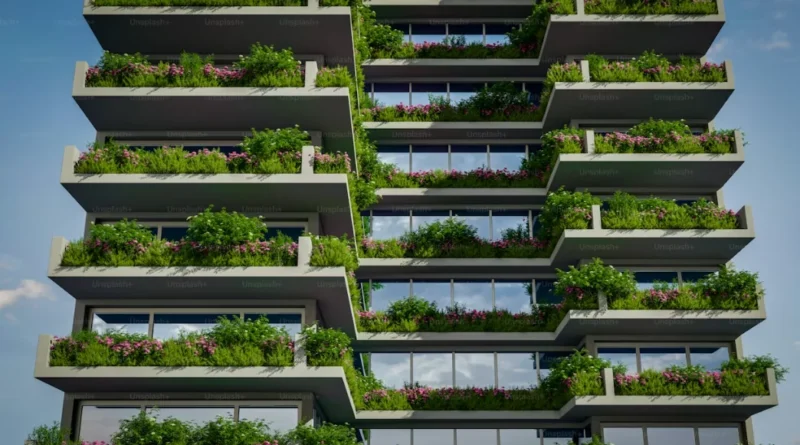
Why Architecture Green Roof Integration Is Critical For Urban Futures
Why Is Architecture Green Roof Integration Essential for Urban Sustainability?
Cities around the globe deal with bigger environmental problems. These include warmer weather, dirty air, and fewer plants and animals. Adding architecture green roof systems offers a key way to fight these issues. These roofs blend plant life with smart building ideas. They turn empty rooftops into helpful parts of city strength and comfort.
Contribution to Environmental Resilience
Green roofs help keep city weather steady. Plants on top soak up sun heat. They cool the air nearby. This cuts down the heat island problem. It also eases the load on air conditioners in summer. People use less power as a result. The plant cover works like a filter for air. It traps dust and takes in carbon dioxide from the air. Plants do this through their growth process. Air gets cleaner, especially in packed city spots where dirt builds up. Plus, these roofs add extra warmth protection. They cut heating needs in winter. This leads to fewer gases that warm the planet from building use. In places like Chicago, studies show green roofs drop local temps by up to 5 degrees on hot days. That’s a real help for daily life.
Enhancement of Urban Biodiversity
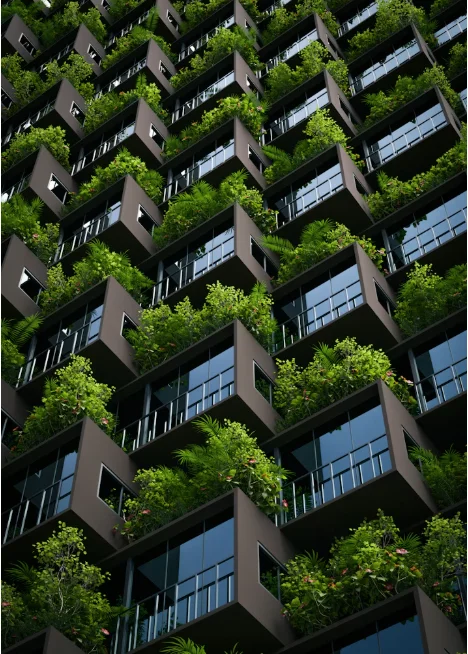
The good side of architecture green roof systems goes past power savings. These roof spots make homes for bugs, birds, and local plants. Concrete pushes those creatures out otherwise. Such small areas link up green patches in cities. Think of parks and trees along streets. In cities like Berlin, reports note green roofs aid bees and other helpers for plants. These bugs keep city flowers and crops going strong. In the long run, more variety in life forms makes city nature tougher. It can handle weather changes better. Sometimes, you see unexpected visitors, like rare butterflies showing up on a new roof garden. That adds a fun twist to the science.
Alignment with Sustainable Design Principles
Green roofs fit well with ideas of reuse and smart use of stuff. They catch rain for watering plants. They turn yard waste into food for soil. When mixed with simple building tricks, like fresh air flow or shade, they boost lasting building health. They don’t need many machines for this. For builders, adding these is more than looks. It shows a match between man-made shapes and alive parts. This ties building work to bigger care for the earth. It’s like giving buildings a breath of fresh air, in a way.
How Do Green Roofs Address Urban Climate Challenges?
Climate shifts make things worse. Cities need ways to handle hot and cold swings. They also must deal with water in smart ways. Green roofs shine here. They tackle several weather problems at once.
Reduction of Heat Island Effects
In busy city hearts full of roads and tall glass, ground heat jumps way up. It can be much hotter than out in the country. Roofs with plants take in sun rays. They don’t bounce them back to warm the sky. This cools the roof itself. It also freshens the air around. Whole blocks feel less hot. Buildings then need less cooling inside on warm days. Power use drops. The grid doesn’t strain as much at busy times. For example, in Toronto, green roofs have cooled streets by 2-3 degrees Celsius during peaks. Folks notice the difference when walking around.
Improvement of Stormwater Management
Rain in cities often floods drains. Hard ground doesn’t let water soak in. A good green roof holds lots of rain in its dirt layers. This slows down water flow to pipes. It cuts flood chances in big storms. As water moves through the soil, it cleans out bad stuff. That keeps it from going into city drains. Many towns see green roofs as part of smart water plans, called Sustainable Urban Drainage Systems (SUDS). They help water sink in. They take load off old setups. In rainy spots like Seattle, these roofs hold up to 75% of storm water on average. That’s a big win for avoiding puddles everywhere.
Contribution to Carbon Sequestration
Roof plants keep grabbing carbon from the air. They do this with sunlight and growth. It’s a small step, but it adds up for city clean air goals. Over years, plant bits build up in the roof dirt. This traps carbon that might float as CO₂ otherwise. Pair it with sun power sheets or small wind fans. Then cities get closer to zero waste gas aims. Imagine a roof that not only shades but also quietly cleans the air—it’s like a silent worker up high.
What Architectural Strategies Ensure Effective Green Roof Implementation?
The upsides are plain to see. But making them work takes good planning by builders. They must think about the building’s strength, plant choices, and how it fits with other parts.
Structural Design Considerations
Start with checking how much weight the roof can hold. Wet dirt and plants get heavy. Put in water-proof sheets to block roots and wet harm to the base. Now, easy-to-set tray kits are common. They make setup simple. You can fix or swap parts without messing the whole roof. In older spots, like a 50-year-old warehouse, these trays let you add green without big rebuilds. It saves time and hassle.
Selection of Vegetation Types
Choosing plants sets how well it runs and how much care it needs. Local kinds often need less water. They fit the area’s weather. Tough plants like sedums or strong grasses stay green in dry heat or low rain. Mixing types for seasons adds nice views all year. It also helps different animals at times. A mix might draw birds in spring and butterflies later. That keeps the roof lively.
Integration with Building Systems
Green roofs team up well with other building tools. Add sun panels on top. Cooler air from plants makes them work better. They make more power. Put air vents for heating and cooling near the green. Fresh air comes in already cool. Use smart watchers for dirt wet levels or heat checks. This lets you tweak things over time. In a school building, this setup could cut energy bills by 20%, based on real installs I’ve heard about.
Why Are Green Roofs Economically Viable for Cities?
The green perks are great. But architecture green roof use also pays off in money for owners and town leaders.
Long-Term Cost Efficiency
Upfront costs beat normal roof stuff at first. But running costs drop fast. Energy bills go down. Roofs last twice as long, often 40 years or more. Once plants settle in, care gets cheap. Watering happens less. Bugs stay away. It’s like an investment that pays back steadily. One study in New York found payback in under 10 years for many setups.
Increase in Property Value and Market Appeal
Buildings with clear green touches draw renters who like earth-friendly spots for work or home. Builders get tax breaks or points in green building checks like LEED or BREEAM. Pretty roof gardens lift how the area looks. This boosts what people think of home worth. Even if it’s hard to measure, folks pay more for views of green up high.
Support for Local Green Industries
More green roofs grow jobs in plant farms for local types, building groups for water-proof work, and care teams for nature upkeep. As needs rise, new work pops up in green building fields. This helps town money flow. It brings builders, tech experts, nature pros, and leaders together. In places like Vancouver, this has created hundreds of jobs in just a few years.
How Do Green Roofs Improve Urban Livability?
City life quality covers more than roads and pipes. It’s about how folks feel in their spots each day.
Enhancement of Human Well-Being and Comfort
Being near plants cuts worry for people. It sharpens thinking in offices with nature sights. Cleaner air from dust catch helps breathing for those close by. In a busy spot, this means fewer sick days and happier moods.
Creation of Socially Engaging Spaces
New builds often turn roofs into shared gardens or play areas. People meet there, away from street sounds. Open roof spots in tight areas give everyone a park-like feel. It builds ties in the community. Picture families picnicking on a roof with city views—simple joys in a crowd.
Strengthening of Cultural Identity Through Design
Builders use home area stuff and plants that nod to old ways. They mix past looks with new shapes. In old spots turned new, like old stores into homes and shops, green roofs show fresh starts. They honor the past building style. It’s a nod to roots while going green.
What Role Do Policies Play in Promoting Architecture Green Roof Adoption?
Rules from leaders shape how quick towns take up this idea widely.
Implementation of Regulatory Frameworks
Some towns make rules for new big builds. They say a share of roof must have plants. Others give money help or lower taxes to nudge private work. Rules fit local weather to get steady wins no matter the place.
Integration into Urban Planning Strategies
City big plans now see roof plants as key setup, not just nice add-ons. Area rules push green tops in packed shop lines where land is short. Teams in planning work together. This matches roof green rules with wide aims like less floods or cooler spots.
Encouragement Through Public–Private Partnerships
Team money plans let towns split costs with business folk. This speeds big changes over wide areas. Shared care after build cuts town loads. It sparks new tests on dirt types or water ways. Sometimes these teams share stories from fails, which helps others learn quick.
How Will Architecture Green Roof Integration Shape Future Cities by 2030?
By 2030, world goals like the UN’s SDG 11 push for strong cities. Buildings will shift from plain shells to alive parts woven into city life.
Transition Toward Climate-Adaptive Urban Environments
Coming cities will mix green roofs with full plans. These include sun power and watch tools for weather data. They fine-tune designs over areas with changing weather. It’s about bending, not breaking, with what nature throws.
Evolution of Architectural Aesthetics and Functionality
Structures will act like alive things. They take in rain in storms or block sun with smart sides tied to plant layers. Ideas from nature’s ways inspire this. Think of a building that “breathes” with its green top—pretty cool for the future.
Advancement of Global Sustainability Goals
Putting architecture green roof ways into everyday builds worldwide helps cut gases a lot. It grows new ideas mixing facts with build flair. This is key for tough city tomorrows by 2030. With more cities joining in, we might see a real shift in how urban spots feel alive and balanced.
FAQ
Q1: What is an architecture green roof?
A: It’s a layered rooftop system combining vegetation with engineered substrates designed for stormwater retention, insulation improvement, biodiversity support, and visual enhancement within architectural structures.
Q2: How do green roofs reduce city temperatures?
A: Vegetation absorbs sunlight instead of reflecting it off hard surfaces; this lowers local ambient temperatures while reducing air conditioning demand inside nearby buildings.
Q3: Are all buildings suitable for installing a green roof?
A: Most can accommodate one if structural assessments confirm sufficient load-bearing capacity; lightweight modular options exist even for retrofits on older buildings.
Q4: How do policies encourage developers to include them?
A: Many cities provide financial incentives like tax credits or density bonuses alongside mandatory regulations requiring specific vegetated area ratios in new constructions.
Q5: What long-term impact could widespread adoption have by 2030?
A: Large-scale integration could transform cities into climate-adaptive ecosystems improving air quality, public health outcomes, energy efficiency levels—and overall human connection with nature amid urban density.