
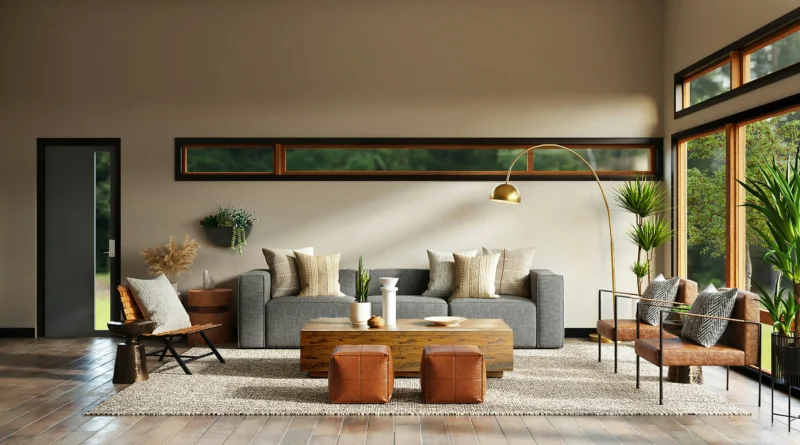
Top Interior Design Trends in 2026
Interior design changes quickly these days. Technology mixes with green practices and spaces that put people first. So, 2026 will change how you feel in your home or office. This piece looks at the main interior design trends experts think will lead the way next year. From biophilic design to AI-assisted personalization, each one shows a big change in how folks link up with their spaces. I remember walking into a friend’s newly redone living room last year—it felt so alive, and that’s the kind of vibe coming soon.
How Will Sustainability Shape Interior Design in 2026?
Sustainability isn’t just a side idea anymore. It forms the base of today’s interior design. By 2026, designers will pick materials and methods that cut down on harm to the planet. They will keep things looking good too. The main point will be circular design systems. In these, every part gets chosen for strength, the ability to recycle, and a small carbon footprint. Think about how that plays out in real life—like choosing a rug that lasts forever instead of one that ends up in a landfill after a couple years.
Eco-Friendly Materials and Finishes
Designers turn to items like bamboo, cork, recycled glass, and reclaimed wood. These picks lower trash. They also add a cozy natural feel inside. For instance, recycled terrazzo flooring pops up a lot in homes and business spots. It lasts well and has a special rough feel. I’ve seen it in a coffee shop downtown, and it makes the floor feel sturdy underfoot without being cold.
Circular Design Practices
Circular design stresses reuse and renewal over throwing things away. Furniture companies now run take-back plans more often. In these, old items get fixed up instead of tossed. This fits with the world’s drive for no-waste spaces. It’s practical—imagine getting your sofa tuned up every few years rather than buying new.
Energy-Efficient Lighting Solutions
Lighting keeps growing with smart LED setups. These match the day’s natural light. In 2026, look for better links between lighting apps and energy trackers. Users can lower power use. They do this without losing the warm glow. One study from last year showed folks saved up to 20% on bills just by tweaking lights like this.
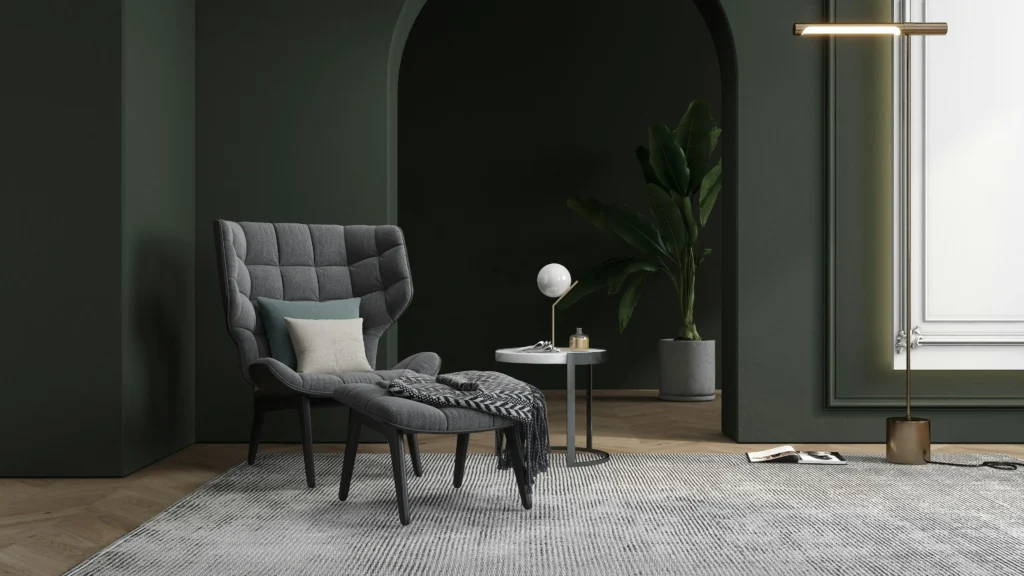
What Role Will Technology Play in Future Interiors?
Technology goes beyond just working well now. It touches feelings too. In interior design, it boosts ease, handiness, and custom touches. This happens through quiet blending, not showy gadgets. Sometimes, though, it feels a bit too sci-fi, like living in a movie set.
Smart Home Integration
By 2026, houses will have smooth auto systems. These handle heat levels, light moods, and even smell spreaders. Designers hide sensors in walls and chairs. This makes rooms that shift with how people act. Picture coming home tired—the lights dim softly, and the air warms just right.
Virtual Reality Design Tools
VR lets people walk through their new rooms before building starts. This deep dive helps tweak setups, feels, and shades right away. It saves hours and avoids pricey fixes. In my experience from a small project, it cut down on arguments about where the couch goes.
AI-Driven Personalization
AI looks at daily habits to pick design bits that fit you. For example, it might suggest chair setups based on how you move around. Or it could pick wall shades that match your body’s clock. It’s like having a smart friend who knows your routine inside out.
Why Is Biophilic Design Becoming Essential?
Biophilic design brings nature into man-made spots. It shifts from a nice add-on to a must-have. City life gets busier everywhere. So, people want real ties to the outdoors in their houses and jobs. This trend hits home especially after long winters cooped up inside.
Natural Light Maximization
Big windows, roof lights, and shiny surfaces let in more sun. Research says this boosts happy feelings and work output. It also trims power bills. One office I visited used huge panes and saw a 15% jump in staff cheer.
Indoor Greenery and Living Walls
Green walls with plants like ferns or tough succulents clean the air. They make things look peaceful too. In work places, these setups cut noise. It’s a win-win—fresh air and quieter chats during meetings.
Organic Shapes and Textures
Bendy chair edges copy shapes from the wild. Feels like soft cloth, mud-like plaster, or rough fiber bring touchable ease. These stand out against fake stuff from old styles. Running your hand over a jute-wrapped table just feels right, more real.
How Are Color Palettes Evolving in 2026?
Colors affect moods in big ways. In 2026, choices lean to steady shades from the ground. They mix with shiny metals from the future. It’s not all perfect—sometimes a bold splash just makes the room pop unexpectedly.
Earthy Neutrals With Bold Accents
Soft browns and quiet greens cover walls mostly. Bright spots like deep blue or baked clay add fun without too much noise. This keeps things calm yet lively. In a bedroom setup, that terracotta vase can change the whole feel.
Metallic Finishes for Modern Sophistication
Light metals such as soft gold or dull red-brown show up in lights and handles. They bounce light gently. This adds room depth without bright glare. I’ve noticed how a brass knob warms up a plain door.
Adaptive Color Technology
Paint makers try out paints that shift shades with heat or light. It’s a fun mix of facts and pretty looks. Imagine walls that turn rosy at sunset—small magic in everyday spots.
What Are the Emerging Furniture Trends?
Furniture heads toward bendy styles. This fits mixed home life. Items need to switch from work to chill fast. Space stays tight, so smart picks matter. Urban dwellers know this struggle all too well.
Modular Systems for Dynamic Spaces
Build-your-own couches or shelf sets let you change things quick. It matches needs for different tasks. This helps busy spots where folks work from home. Re-arranging for a movie night becomes a snap.
Compact Multifunctional Pieces
Folding tables that serve as work spots or meal areas show clever space use. These suit city flats best. Where every inch counts, they shine. A friend in a tiny apartment swears by her desk-that’s-a-bedside table.
Handcrafted Artisan Workmanship
Tech grows, but folks value hand-made more. Pots shaped by hand or seats woven by skill bring true feel. Mass stuff often misses that warmth. It links old ways with new times. Holding a clay mug just connects you to the maker.
How Will Cultural Fusion Influence Aesthetic Directions?
World links fade style lines. Designers pull from many backgrounds at once. They skip sticking to one tale. This mix feels fresh, like a global party in your living room.
Global Material Combinations
See North African tiles next to Nordic wood. Or simple Japanese ways with sunny Med vibes. It’s a picked mix that shows world sharing. Blending them creates cozy, story-filled spots.
Local Craft Revival
Skills from home areas rise up. Buyers like knowing where things come from over same-old looks. Local cloths or clay pots tell tales in wide-world rooms. It’s about roots in a connected age.
Cross-Cultural Color Symbolism
Designers dig into color meanings from places afar. Red means zip in one spot, luck in another. They use this to build spots that touch hearts everywhere. Context makes it deep.
What Is Driving Wellness-Focused Interior Design?
Wellness rooms put body ease and mind peace first. They use smart planning and feel balance. Sensory bits come together nicely. After a tough day, these spaces just hug you back.
Ergonomic Layouts Enhancing Comfort
Chair spots now think about back health with looks. Tables that rise or seats with back support spread to homes from offices. This care keeps you comfy longer. Desk workers feel the difference in their necks.
Acoustic Balance for Tranquility
Ways to cut sound use art-like panels or cloths that soak noise in drapes. These small steps bring real calm. Well-being gets a lift you can measure. Quiet corners make reading a joy.
Air Quality Optimization
Smart cleaners tie to air flow systems. They watch bad stuff in the air all the time. Fresh air turns into part of the look, not just a hidden help. This quiet change builds strong health rules in design.
FAQ
Q1: What Is the Biggest Interior Design Trend Predicted for 2026?
A: Sustainability stays on top. But it blends smooth with tech custom touches in all sizes of projects. It’s everywhere now, from small flats to big offices.
Q2: How Important Will Biophilic Design Be Next Year?
A: Very key. It goes from extra pretty pick to must-do health plan. This shapes homes and work areas alike. Nature inside feels vital these days.
Q3: Are Neutral Colors Still Popular?
A: Sure, but they get fresh takes with rough layers and strong spot colors. Not the flat simple of before. Textures add that extra layer of interest.
Q4: How Does Technology Affect Furniture Design?
A: It pushes for buildable parts. Items change easy with built-in feelers or shift tricks. This fits mixed life ways. Tech makes furniture smarter for daily shifts.
Q5: Will Handcrafted Elements Continue To Grow In Demand?
A: Yes, for sure. Shoppers want real touch in a screen-filled world. Hand-made bits give that solid link mass goods skip. Demand keeps climbing as folks seek unique stories.