
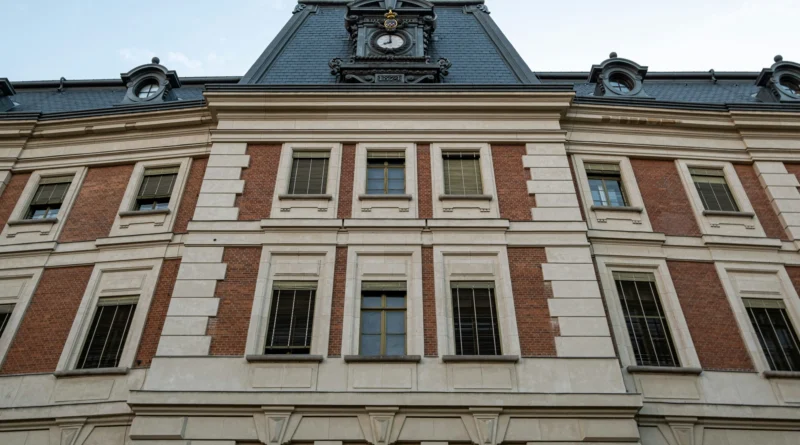
What Is Facade Architecture And Why It Matters
Facade architecture seems straightforward at first glance. But it hides a lot of depth. When you see a building, the facade catches your eye right away. It shows the building’s personality, purpose, and feelings. And it’s more than just looks. This part of design affects how the building uses energy, stays green, and tells cultural stories. For folks in architecture and building work, facade design mixes creative ideas with careful engineering.
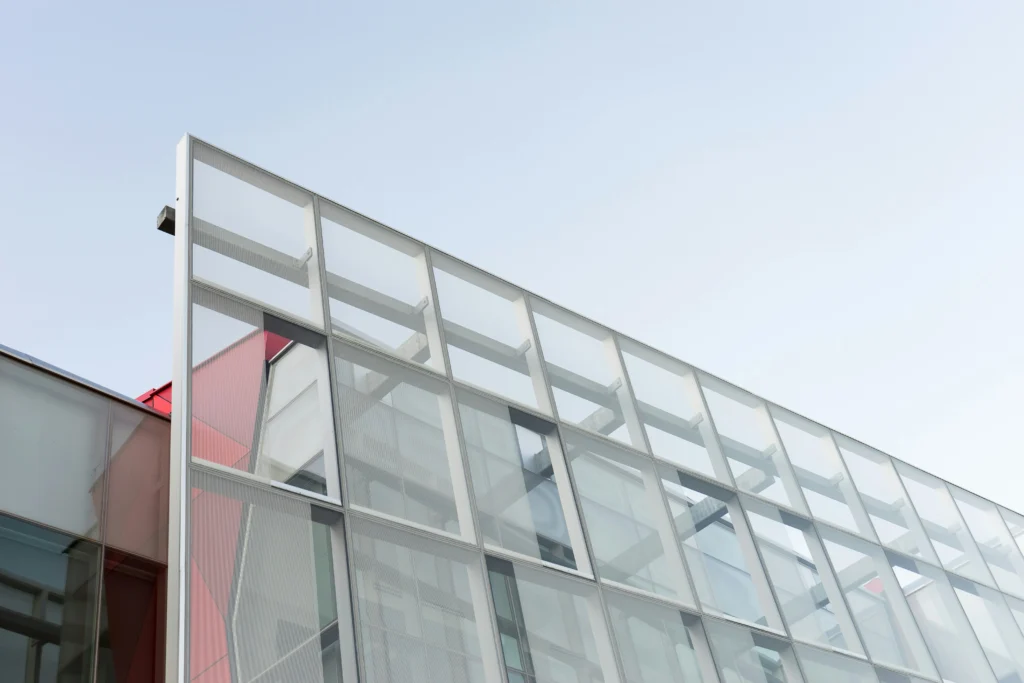
What Defines Facade Architecture?
Facade architecture means the outer layer of a building. This layer sets its look and connects the inside space with the outside world. Picture it like a skin. This skin lets air in, keeps warmth, shields from harm, and shows character. Old facades focused on decoration or even shapes. But today’s versions blend material knowledge, weather control tools, and computer-made parts.
Composition And Material Selection
Choosing materials shapes both the appearance and the function of a facade. Glass curtain walls fill many city views today. They offer clear views and a light feel. Composite panels give options for shapes and surfaces. On the other hand, brick or stone facades suggest lasting strength and local roots. A smart facade mixes these choices. It aims for good work and fits with the area around it.
Structural Systems And Support Mechanisms
Every smooth facade has a strong setup underneath. This includes frames, anchors, mullions, or brackets. They move weight safely to the main building frame. Engineers figure out wind force, heat growth, and earthquake shakes first. Then they pick systems like stick-built or unitized curtain walls. The trick is to hide all this from view outside. At the same time, it needs to allow easy upkeep. Think about a tall office tower in a windy city. The facade there must handle gusts without showing the inner supports.
Integration With Building Services
Today’s facades do not just sit still as walls anymore. They link with machine systems. This happens through sun shades, movable panels, or double-skin setups. These parts control light from the sun and air flow. They cut down on energy use too. Add sensors for auto control, and the facade turns into a smart link between nature and tech. In a busy school building, for instance, these features might adjust shades to keep classrooms bright but not too hot during peak sun hours.
How Does Facade Architecture Influence Energy Efficiency?
Using less energy now marks real success in building design. The way a facade is made touches heating, cooling, and light needs. In short, it sets how much power the building draws over time. Poor choices can add thousands to yearly bills, based on reports from energy experts.
Passive Design Strategies
Passive methods use the building’s setup to handle weather. They skip heavy machine help. Things like facing the sun right, shade shapes, window glass amounts, and fresh air flow matter. Facades toward the south might have flat shades. These block strong summer rays but let in soft winter light. Movable windows help too. They bring in breezes in mild weather spots. This cuts the work for air systems. Imagine a home in a sunny spot. Its facade shades keep rooms cool without the AC running all day.
Thermal Performance And Insulation
The heat shield of a building decides if it holds warmth in cold times or blocks it in heat. Good glass with special low-emissivity layers cuts heat move while staying see-through. Insulated fill panels or air-flow rain screens boost comfort more. They stop moisture build-up and heat leaks. In cold places like Canada, these setups can save up to 20% on heating costs, according to building studies.
Renewable Integration And Responsive Systems
Some facades add solar cells right into the glass or outer covers. This makes power on the spot. Others have moving parts that shift based on sun strength or people inside. These smart setups make the facade help with green running. It acts more like a helper than a plain cover. A shopping center might use such a system to power its lights from the facade alone on sunny days.
Why Is Cultural Context Important In Facade Design?
Cities share their tales through building fronts. From old stone churches to plain high-rises, each tells a part. A good facade honors local ways while adding new ideas. Sometimes, it even nods to old tales in fresh ways, like a modern twist on ancient patterns.
Historical Continuity And Local Identity
In old town areas or places that value culture, new facades rework past designs with fresh stuff. Take punched metal sheets. They can copy open-work styles from local old buildings. And they handle air needs now. This keeps the feel of the place alive. In a European village, a new shop might use such screens to blend with nearby historic homes without looking out of place.
Symbolism And Urban Communication
Facades serve as message boards to the street. They show what groups or companies stand for. A museum could pick see-through stone to seem welcoming. A bank might go for mirror-like glass to look solid and sure. These picks shape how people view the place and its message. It’s like the facade waves hello or stands tall to the passersby.
Adaptation To Climate And Geography
Local weather shapes facade types. Deep windows suit hot dry lands. Extra-thick glass fits chilly northern towns. Shade wings work in warm wet areas. Honoring the land brings ease without extra power waste. It also builds a sense of belonging to that spot. For example, in desert towns, facades with thick walls keep insides cool naturally, saving energy in harsh heat.
How Do Digital Tools Transform Facade Architecture?
Computer tech has shifted how designers plan and build facades. It starts from first sketches to robot work at the site. This change speeds things up and cuts mistakes, though it takes time to learn for some teams.
Parametric Modeling And Simulation
Special computer programs let creators tweak tricky shapes with math rules. No need for hand drawings anymore. This gives exact checks on sun hit or frame strength before work starts. A designer might test 50 versions in a day, picking the best one easily.
BIM Integration And Collaboration
Building Information Modeling, or BIM, pulls together design plans, frame math, and build info in one spot. It joins architects, engineers, and makers digitally. This cuts setup errors. Every part gets planned ahead with all teams. In big projects, like a city hall, BIM helps avoid costly fixes later.
Fabrication Technologies And Material Innovation
Machines that cut by computer and 3D builders now make custom facade pieces with little scrap. Pair this with new stuff like light ETFE bubbles or strong carbon-fiber mixes. They open up cool looks without hurting green aims. Factories can churn out parts that fit perfectly, reducing site mess.
What Are The Key Challenges Facing Facade Architects Today?
Tech advances help a lot. Yet problems stick around. The biggest is matching money spent now with long-run gains. It’s a tough talk between creators and money folks.
Cost Constraints And Lifecycle Economics
Top materials cost more at the start. But they save on running bills down the road. Getting owners to see the full picture takes effort. Over 20 years, a green facade might pay back twice the extra cost, per industry numbers. Still, short-term budgets often win out.
Maintenance And Durability Concerns
Weather wears things down, like rust or color fade. Designers must plan details early to fight this. Pick stuff that stands up to sun rays or city dirt. Tests in real weather help check how long it lasts. A seaside building needs salt-proof choices to avoid quick fixes.
Regulatory Compliance And Safety Standards
Rules on fire safety got stricter worldwide after bad cladding fires. Now, creators check burn levels for every facade layer. They keep the look while meeting codes. It’s a balance, and not always simple. In places like Australia, new laws demand full tests, slowing some projects but saving lives.
How Does Facade Architecture Shape Human Experience?
Physics and costs matter. But there’s a human side too. It’s about feelings when you meet a building’s front. A dull facade might make a street feel cold; a lively one warms it up.
Light Quality And Visual Comfort
Sunlight through cut-out shades makes inside spaces change with the hours. Right shade control stops harsh glare. This helps focus in work spots or learning rooms. It keeps ties to the outside world. In an office with big windows, soft light boosts mood without eye strain all afternoon.
Transparency And Privacy Balance
Mixing open views with private spots marks home facades well. This is key in packed city blocks. Privacy counts high, but sun and air are musts too. Designers use frosted glass or angled screens to strike that mix. A city apartment might have clear lower panes for views and private uppers for quiet nights.
Psychological Impact Of Form And Texture
Sleek glass says new and fresh. Bumpy stone brings cozy feels. Hole-punched metal seems techy but airy. Each touch affects how you feel inside. Choices go past math into heart matters. Walk by a rough brick wall, and it might remind you of home; smooth metal could spark future thoughts.
FAQ
Q1: What distinguishes facade architecture from general exterior design?
A: Facade architecture mixes tech parts like warmth layers and frame help with look setups. Exterior design sticks to looks mostly. It skips deep checks on energy flow or air handling.
Q2: Which materials are most sustainable for modern facades?
A: Reused aluminum sheets, wood covers from checked woods, strong glass with low-E layers, and plant-based mixes lead the way. Picks depend on weather and job size (source: World Green Building Council 2023). These choices help cut waste and fit green goals without big changes.
Q3: How do double-skin facades improve efficiency?
A: They make an air gap between two glass layers. This gap works as a heat shield. Vents you can adjust let air move by season. Studies show it drops heating needs by up to 30%, per Fraunhofer Institute (2022). In real buildings, this means cooler summers and warmer winters with less power draw.
Q4: Are kinetic facades practical for commercial projects?
A: Yes, if you keep them in good shape. They move shade parts on their own with sensors. This boosts ease but starts pricier than fixed ones due to moving bits (source: CTBUH Technical Report 2021). Offices use them to save on lights and AC, paying off in a few years.
Q5: What future trends will redefine facade architecture?
A: Smart skins with AI that learn from people inside are coming. More carbon-free stuff like hemp panels will show up. Pre-made modules cut scrap at build time too. These paths come from Arup Research 2024. Expect facades that change with needs, making buildings smarter and greener over time.