
Why Are Cottage Style Homes Perfect For Small Living
Cottage style homes have long been admired for their warmth, charm, and timeless appeal. In recent years, they’ve become a favorite among those seeking smaller, more efficient living spaces that still feel inviting and full of personality. This architectural style, rooted in simplicity and comfort, offers practical solutions for modern living without sacrificing beauty or functionality. The following sections explore why cottage style homes are ideally suited for small-scale living, addressing their design principles, spatial efficiency, emotional comfort, and connection to nature.
What Defines a Cottage Style Home?
Cottage style homes are typically compact dwellings characterized by cozy interiors and charming details. They often reflect traditional craftsmanship and natural materials that create a sense of nostalgia and comfort. Before exploring their advantages for small living, it’s important to understand what makes this architectural style distinct.
Compact Layouts With Functional Design
The hallmark of a cottage home is its efficient use of space. Rooms are thoughtfully arranged to maximize functionality while maintaining an intimate atmosphere. Open floor plans often connect the kitchen, dining area, and living room to encourage social interaction. Built-in storage solutions like window seats or shelving nooks help keep clutter at bay without compromising aesthetics.
Use of Natural Materials
Wooden beams, stone fireplaces, and textured plaster walls define the tactile experience of cottage interiors. These materials not only add warmth but also contribute to durability. Many homeowners prefer reclaimed wood or locally sourced stone to maintain authenticity and sustainability in design.
Architectural Details That Add Character
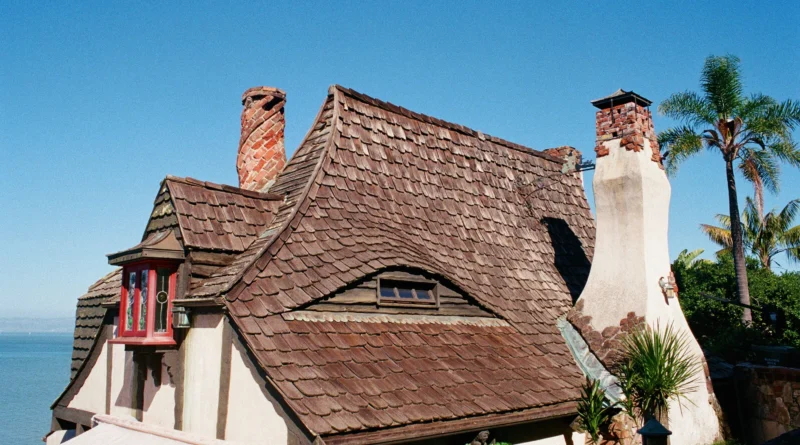
Gabled roofs, dormer windows, and inviting porches are common features that give cottage homes their storybook charm. Even small cottages can appear visually rich through thoughtful detailing such as shutters, flower boxes, or decorative trim that reflects regional influences.
How Do Cottage Style Homes Maximize Limited Space?
Living small doesn’t mean sacrificing comfort or utility. Cottage style homes excel at turning modest square footage into livable space through intelligent design choices that balance practicality with aesthetics.
Multi-Purpose Rooms
A single room in a cottage often serves multiple functions—a kitchen might double as a dining area or workspace. This approach reduces the need for extra square footage while maintaining usability. Foldaway furniture or convertible pieces enhance flexibility for changing needs throughout the day.
Vertical Space Utilization
When floor space is limited, vertical design becomes essential. Tall cabinetry, lofted sleeping areas, and wall-mounted storage make every inch count. Exposed rafters not only add rustic beauty but also create an illusion of height that opens up small rooms visually.
Connection Between Indoor and Outdoor Areas
Many cottages blur the boundary between indoors and outdoors through French doors leading to patios or gardens. This connection extends living areas beyond the walls and allows natural light to flood interior spaces—an effective strategy for making small homes feel larger.
Why Do Cottage Style Homes Feel Emotionally Comforting?
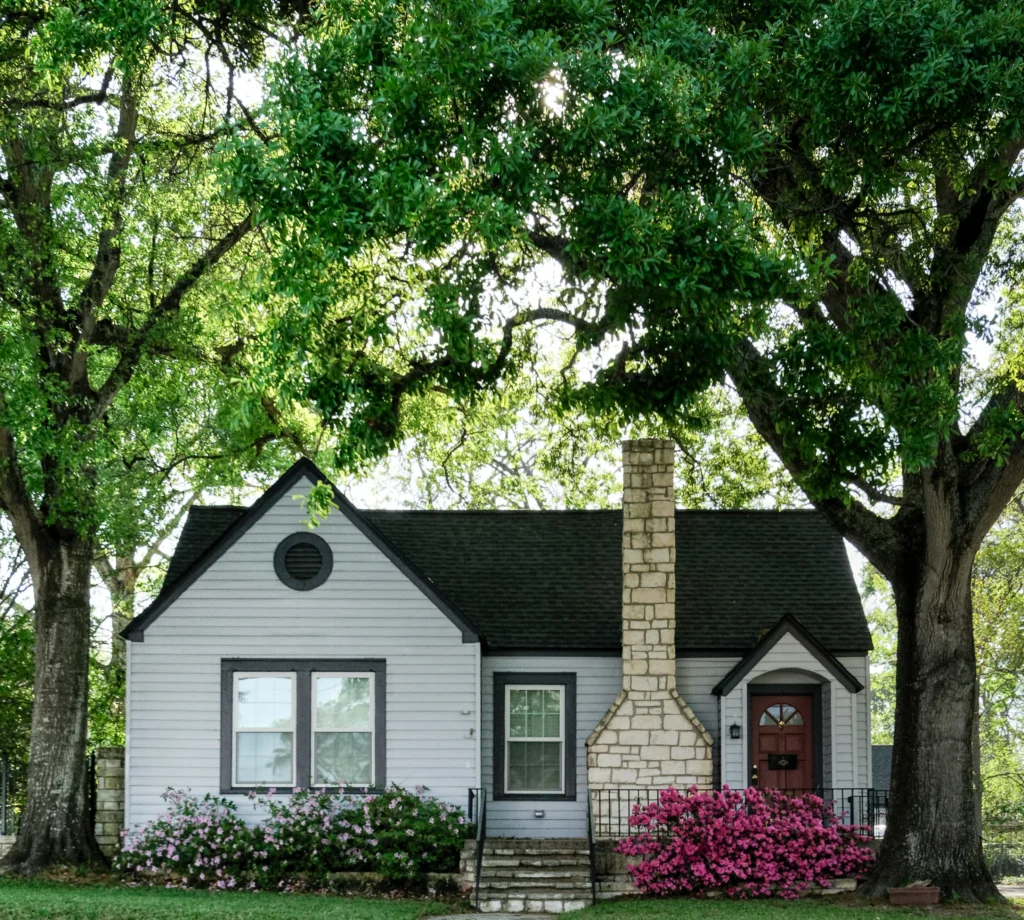
Beyond physical structure, cottage style homes evoke a powerful emotional response rooted in simplicity and familiarity. Their design fosters warmth that resonates deeply with occupants seeking refuge from fast-paced modern life.
Sense of Nostalgia
Cottages often remind people of childhood vacations or countryside retreats where life felt slower and more grounded. The vintage-inspired décor—floral fabrics, antique furnishings—reinforces this sentimental appeal without feeling outdated.
Human-Scaled Proportions
Unlike large contemporary houses that can feel impersonal, cottages maintain proportions aligned with human comfort. Low ceilings, smaller rooms, and intimate seating arrangements promote closeness among residents while creating a calming environment.
Warm Color Palettes and Textures
Soft hues like cream, sage green, or pale blue combined with tactile materials such as linen curtains or wool rugs contribute to coziness. These sensory elements make even compact rooms inviting rather than confining.
What Role Does Nature Play in Cottage Living?
Cottage architecture has always maintained a close relationship with its surroundings—whether nestled by the sea or tucked into forested hillsides. This harmony with nature enhances both aesthetic pleasure and mental well-being.
Integration With Landscape
Cottage exteriors often mirror local geography through material choice: stone walls in mountain regions or shingle siding near coastlines. Landscaping typically favors informal gardens filled with native plants rather than manicured lawns.
Abundant Natural Light
Large windows positioned to capture sunlight throughout the day reduce reliance on artificial lighting while highlighting textures inside the home. Skylights are also common additions that bring brightness into attic spaces or hallways.
Outdoor Living Extensions
Porches furnished with wicker chairs or pergolas draped in vines serve as transitional zones where you can enjoy fresh air year-round. These outdoor rooms expand usable space without requiring structural expansion.
How Do Cottage Style Homes Support Sustainable Living?
Sustainability aligns naturally with the philosophy behind cottage design—living simply within one’s means while minimizing environmental impact.
Smaller Footprints Reduce Resource Use
A smaller home requires fewer materials during construction and consumes less energy for heating or cooling over time. This inherent efficiency makes cottages environmentally responsible choices compared to sprawling suburban houses.
Use of Recycled or Local Materials
Builders frequently incorporate salvaged wood beams or reclaimed bricks into new cottages to preserve character while reducing waste from new production processes.
Energy Efficiency Through Design Choices
Thick insulation combined with strategically placed windows helps maintain comfortable indoor temperatures year-round. Many homeowners also install solar panels discreetly integrated into rooflines to supplement energy needs sustainably.
Are Cottage Style Homes Economically Practical?
While aesthetic appeal drives many buyers toward cottages, financial considerations often reinforce their practicality for long-term ownership.
Lower Construction Costs
Due to smaller size requirements and simpler building techniques, initial construction expenses tend to be lower than those for larger custom homes—especially when using local craftsmen familiar with traditional methods.
Reduced Maintenance Expenses
Compact layouts mean fewer surfaces needing upkeep—from roof repairs to interior painting—which translates into ongoing savings over decades of occupancy.
Strong Resale Value Due To Timeless Appeal
Because cottage architecture rarely goes out of style, resale demand remains steady across generations seeking charm combined with manageable scale properties in desirable neighborhoods.
FAQ
Q1: Are cottage style homes only suitable for rural settings?
A: Not necessarily; many urban neighborhoods now feature compact cottages designed to fit smaller lots while retaining traditional aesthetics.
Q2: Can modern technology be integrated into a cottage home?
A: Yes; smart thermostats, efficient appliances, and hidden wiring systems can be incorporated seamlessly without disrupting classic charm.
Q3: How much space do typical cottage style homes occupy?
A: Most range between 800–1,500 square feet depending on region and layout preferences; however even smaller footprints remain functional due to clever planning strategies (source: U.S. Census Bureau Housing Survey 2023).
Q4: What distinguishes a cottage from a bungalow architecturally?
A: Cottages emphasize decorative detailing like gables or shutters whereas bungalows generally feature broader layouts with low-pitched roofs emphasizing horizontal lines (source: Architectural Digest 2022).
Q5: Are there specific regions where cottage architecture is most popular today?
A: Coastal New England towns and Pacific Northwest communities show strong demand due to historical roots combined with current sustainability trends (source: National Association of Home Builders Report 2024).