
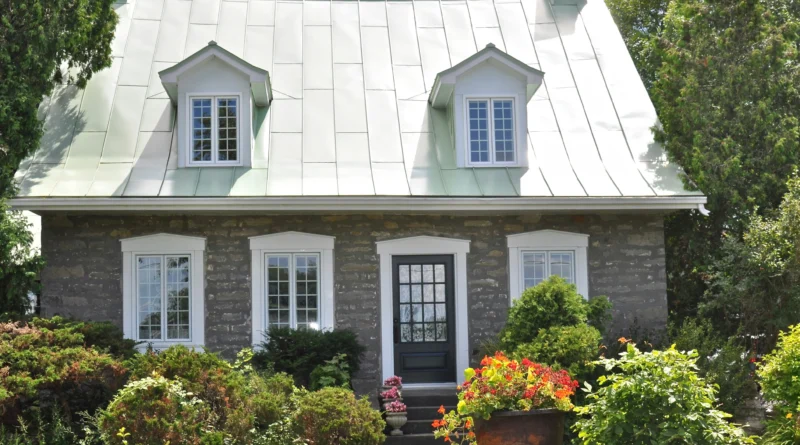
What Defines Cottage Style Homes Today
Cottage style homes started from simple rural spots and grew into a design trend that mixes ease, handmade work, and unique flair. They used to link to country life. Now, you see them in nearby neighborhoods and city spots too. Builders adjust them for today’s ways of living. Yet, they keep that old-time feel. This piece looks at what makes cottage style homes special now. It covers building parts, inside looks, stuff used, and why people like them.
How Did Cottage Style Homes Evolve Over Time?
Cottage building comes from old European country ways. At first, folks like farmers or workers made small houses with nearby things such as stone, wood, or thatch. For many years, this basic shape stood for snugness and a break from busy towns. In America, cottage style caught on during the Arts and Crafts time in the early 1900s. People like Gustav Stickley pushed for hand-done touches and a close tie to nature.
Historical Roots and Cultural Influence
Early homes in the English and French countryside shaped how Americans saw them. Those places had uneven setups, sharp sloped roofs, and friendly front areas. They mixed real use with nice looks. After World War I, American makers took to these ideas. Soldiers coming home wanted tiny, close-knit houses. These differed from the big factory-like city buildings. Think of it like folks picking a quiet spot after all the noise of war. That pull toward peace really shaped things.
Transition to Modern Adaptations
Today’s cottage style homes take old parts and fit them into new setups. They swap closed-off rooms for open areas. But they hold onto cozy feels with things like board walls or shown wood beams. Owners add smart windows that save energy or old wood floors reused from elsewhere. This way, they mix green living with past charm. For example, a family in a busy suburb might add solar lights to their porch. It keeps the warm vibe while cutting bills.
Regional Variations in Design
Cottage style changes by area. Near the sea, homes use bright shades and ocean-like decor. In hills, they pick thick wood and rock. In regular neighborhoods, they go for small bases with pretty yards. Each one fits its spot. Still, they all keep that basic nice feel. Coastal ones might have shells in the garden paths. Mountain spots could add a stone fireplace inside. It’s all about matching the land without losing the heart.
What Architectural Features Define Cottage Style Homes?
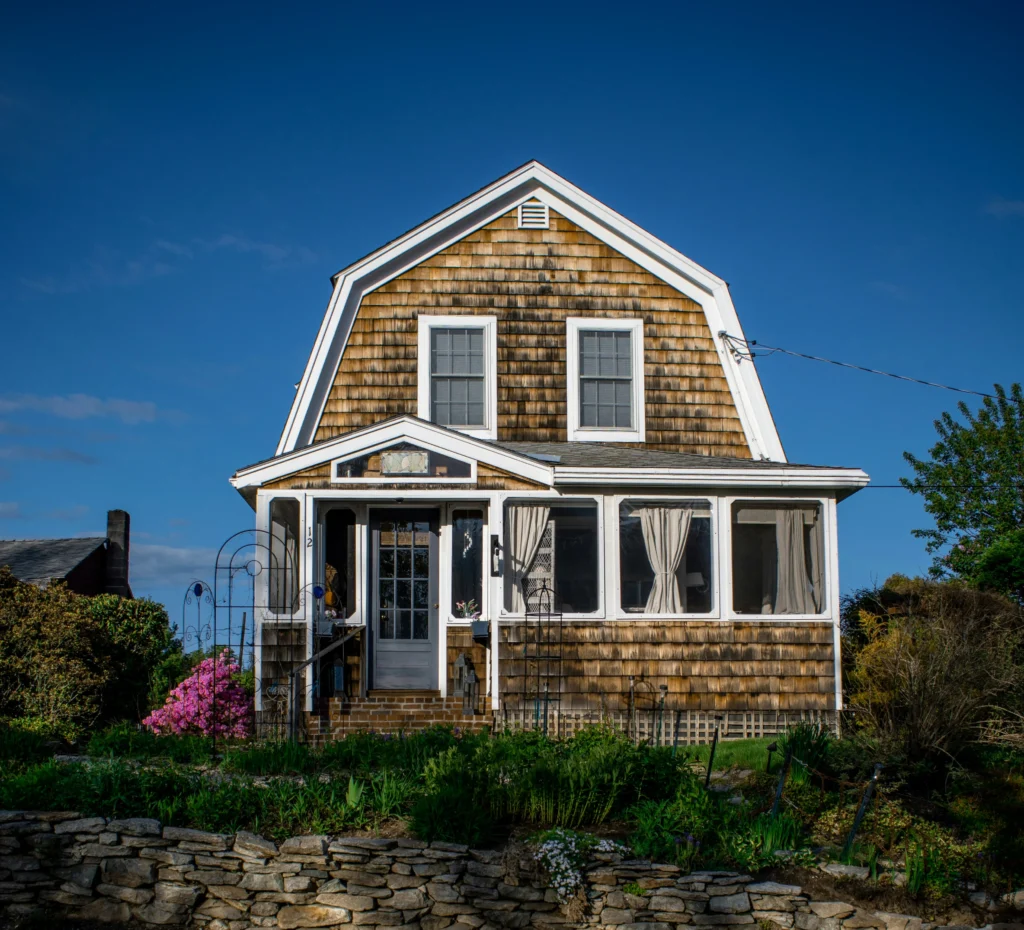
If you spot a cottage home these days, some sights jump out right away. They have gentle curves, welcoming sizes, and careful handmade bits. These parts make a strong feeling tie that seems always fresh and close. I mean, walking up to one just feels like coming home, even if you’ve never been there before.
Distinctive Rooflines and Facades
Cottage homes usually show high-angled roofs with small extra windows that give shape to their outlines. The front sides might mix stuff like rock highlights with wood covers or colored brick. Curved door openings or side windows boost that fairy-tale look. Plus, they let in lots of sun inside. Picture a home with a roof that peaks like a hat, and a door that curves just enough to say “welcome.”
Porches and Outdoor Living Spaces
Front porches stay key in cottage building. They act as spots that link inside ease to outside rest. Some have screens around them. Others stay open with fences covered in growing plants. These areas call for talks and bonds. That’s a big part of cottage life. In summer, families sit there with iced tea, watching kids play nearby. It builds that sense of community without trying too hard.
Windows, Shutters, and Trim Details
Cottage windows often come in many small panes. They pair with fancy covers painted in different shades. Thick edge pieces outline each spot to show skilled work. These small touches might look tiny. But together, they set the home’s friendly side. I’ve seen ones where the shutters swing just right in the breeze. It adds a lived-in touch that big houses miss.
How Does Interior Design Reflect Cottage Style?
Step inside a cottage home, and each bit from chair spots to color choices backs a sense of warmth and realness. It skips perfect looks or big show. Instead, it goes for true comfort.
Cozy Layouts and Functional Spaces
Rooms aim for snugness over big size. Kitchens turn into gathering places. They have deep sinks like on farms and shelves out in the open. No high cupboards there. Built-in corners make the most of room. They keep things close in tight areas. For instance, a reading nook by the window might hold just two chairs. It’s perfect for quiet evenings with a book.
Natural Materials and Textures
Wood floors worn by years, soft cloth covers moving in light, woven holders piled tidy. These touch feels mark cottage insides. Such real stuff not only sets the style. It also links people inside to nature’s flow. You can run your hand over a beam and feel the story in the grain. It’s not shiny new. It’s got character from real use.
Color Palettes That Evoke Calmness
Gentle whites, soft greens, light blues, and mild grays fill cottage insides. They bring peace without being cold. Now and then, a flower-covered wall paper or busy floor cover adds fun. But it stays simple overall. Blues might remind you of a calm lake. Greens like fresh grass after rain. These picks make the space feel alive yet restful.
Why Are Cottage Style Homes Popular Among Modern Buyers?
Even with new building tech, lots of owners still want what cottages give: realness, right-sized feel, and heartfelt warmth. It’s like choosing a favorite old sweater over a stiff new one. Comfort wins.
Emotional Connection to Simplicity
In times full of screens and rush, folks hunt for places that ease the pace. A cottage home pushes for awareness through touchable surfaces and clear setups. Here, each thing matters. It’s not about what’s hot now. Take a shelf of family photos or a quilt from grandma. They add heart that gadgets can’t match.
Adaptability for Different Lifestyles
Cottages work as daily homes or quick getaways. Their smaller builds cut down on upkeep money. They also allow changes to fit needs. This suits empty-nesters or new parents. A young couple might add a play area in the yard. Older folks could make the kitchen easier to reach. Flexibility keeps them fresh for all ages.
Sustainability Through Modest Design
Tiny bases use less stuff to build and run. Many new cottages add sun power sheets or reused bits. They fit green aims without hurting looks. It’s a smart answer to care for the earth. Stats show these homes can cut energy use by up to 30 percent. That’s real savings and a nod to the planet.
How Do Landscaping Choices Complement Cottage Architecture?
No full cottage skips its yard. The plants and paths stretch the building’s tale past the doors. They make the whole place feel whole.
Informal Gardens With Native Plants
Cottage yards like loose setups over neat grass. Blending lasting flowers such as lavender or daisies brings color changes by season. This matches the home’s easy mood. It also helps bugs like bees and butterflies. Imagine paths lined with wildflowers that bloom in waves. Spring brings tulips, summer roses. It keeps things lively year-round.
Pathways and Stonework Accents
Flat stone walks twist through plant beds. They guide guests softly to the door. Short rock walls or wood barriers set edges. Yet, they keep things open. It’s a quiet mix of alone time and welcome. These paths might curve around a birdbath. It adds a spot for pause on the way in.
Outdoor Furnishings That Blend With Nature
Iron seats under rose climbers or plain wood chairs on pebble spots turn outside into used areas. Not posed ones. The point is fit between made parts and growing bits. A swing on the porch creaks gently. It invites lazy afternoons with a book or chat. Nothing fancy, just right.
What Role Does Technology Play in Modern Cottage Living?
Old ways set the shape. But new tools improve how things work in fresh cottages. They don’t water down the main feel. Tech sneaks in quietly, like a helpful friend.
Energy Efficiency Enhancements
New fill methods let past-style builds hit today’s power rules. Two-layer glass keeps warmth in cold months. From outside, it looks just like old times. This means lower bills without losing charm. In cold spots, it might save hundreds on heating each winter.
Smart Home Integration With Subtlety
Auto systems fit in without show. Speakers hide behind wall boards. Light setups run from phone apps. They bring ease but skip sight mess in old looks. You control the thermostat from afar. Yet, the room still feels cozy, not wired.
Sustainable Building Materials
Makers now pick saved wood beams or reused glass bits more often. These match green wants with hand-skill quality. It’s a blend of past nice with now duty. Reclaimed wood from old barns adds stories. Glass from recycled bottles sparkles just the same. It feels good knowing you’re helping the earth while enjoying the home.
FAQ
Q1: What makes a house qualify as a cottage style home?
A: A cottage style home typically features cozy proportions, steep roofs, decorative trim work, natural materials like wood or stone, and interiors emphasizing comfort over luxury.
Q2: Are cottage style homes only found in rural areas?
A: No. While historically rural, many contemporary versions exist in suburban neighborhoods where small lots suit compact designs inspired by classic cottages.
Q3: What colors are most common for cottage exteriors?
A: Soft neutrals such as cream or sage green dominate exteriors; however coastal versions may use brighter hues like turquoise or whitewashed finishes reflecting seaside light conditions.
Q4: Can modern technology fit into traditional cottage design?
A: Yes—energy-efficient systems can be integrated subtly so they don’t disrupt visual harmony; examples include smart thermostats hidden within cabinetry lines or solar panels placed on less visible roof slopes.
Q5: Why do people continue choosing cottages despite larger housing options?
A: Many buyers prioritize emotional comfort over square footage; cottages offer manageable maintenance costs alongside architectural warmth rarely found in large-scale developments.