
Are Cottage Style Homes Cheap To Build
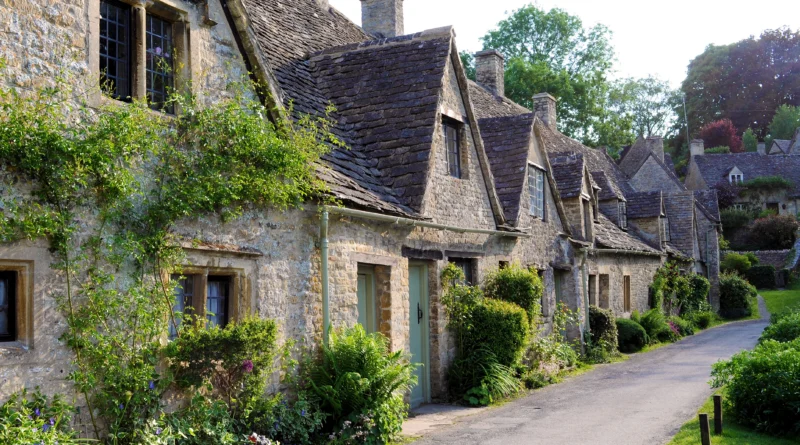
Cottage style homes have long charmed homeowners with their cozy aesthetics, steep gabled roofs, and storybook appeal. Yet when it comes to construction budgets, the question arises: are these quaint dwellings truly affordable to build? This article explores the economics of building cottage style homes, examining costs, materials, design factors, and regional influences that shape their affordability.
What Makes Cottage Style Homes Appealing?
Cottage style homes are known for their warm character and nostalgic charm. Their compact layouts often emphasize craftsmanship and comfort over size. Before discussing costs, it’s useful to understand why many builders and buyers gravitate toward this architectural form.
Compact Footprint and Efficient Layout
A defining feature of cottage style homes is their smaller footprint. Most range between 1,000 and 1,800 square feet. This modest scale naturally reduces material use and construction time compared to larger suburban homes. For example, a single-story 1,200-square-foot cottage typically requires less framing lumber and roofing material than a two-story contemporary house of double the size.
Emphasis on Craftsmanship
While small in size, cottages often feature detailed trim work, built-ins, or exposed beams that reflect fine craftsmanship. These details can elevate the perceived value but may also increase labor costs if done by hand rather than prefabricated.
Connection With Nature
Cottage architecture often integrates porches, gardens, and natural materials like stone or wood siding. This connection to nature enhances livability but can influence cost depending on regional material availability.
Are Cottage Style Homes Cheaper To Build Than Other Designs?
At first glance, smaller homes seem cheaper to construct. However, cost per square foot can vary widely based on design complexity and finishes.
Size Versus Cost Per Square Foot
While total construction costs are generally lower for cottages due to reduced square footage, their cost per square foot can sometimes be higher than average because fixed expenses—like plumbing or HVAC systems—don’t scale down proportionally. According to data from HomeAdvisor (2023), the national average cost per square foot for small custom homes ranges from $150 to $300 depending on region and finish level.
Material Choices Affect Affordability
Material selection plays a decisive role in determining whether a cottage remains budget-friendly. Builders opting for reclaimed wood or natural stone will face higher expenses than those choosing fiber cement siding or engineered wood alternatives. Locally sourced materials can offset transportation costs while maintaining aesthetic authenticity.
Design Complexity Adds Expense
Cottages often feature irregular rooflines or dormers that enhance visual appeal but add framing complexity. Each additional roof valley or decorative gable increases labor time and waste material. Simplifying roof geometry while preserving character is one way experienced builders control budgets.
How Do Location And Labor Costs Influence Construction Price?
Geography significantly impacts both material pricing and labor availability. A cottage built in rural areas may cost less overall than one erected near metropolitan centers.
Regional Material Availability
Regions rich in timber resources—like the Pacific Northwest or parts of New England—can offer lower lumber prices for wood-heavy designs. In contrast, areas where building materials must be transported long distances may see elevated supply costs.
Local Labor Market Conditions
Labor rates fluctuate according to demand and workforce skill levels. In high-demand urban zones where contractors juggle multiple projects, hourly wages rise accordingly. Rural regions may offer cheaper labor but fewer specialized craftsmen familiar with traditional cottage detailing.
Permitting And Site Preparation Costs
Local regulations also affect final budgets. Some municipalities require detailed architectural reviews for historic-style builds or additional environmental assessments if sites border wetlands or forests. These administrative steps extend timelines and add fees that should be factored into early planning stages.
Can Prefabricated Or Modular Cottages Reduce Costs?
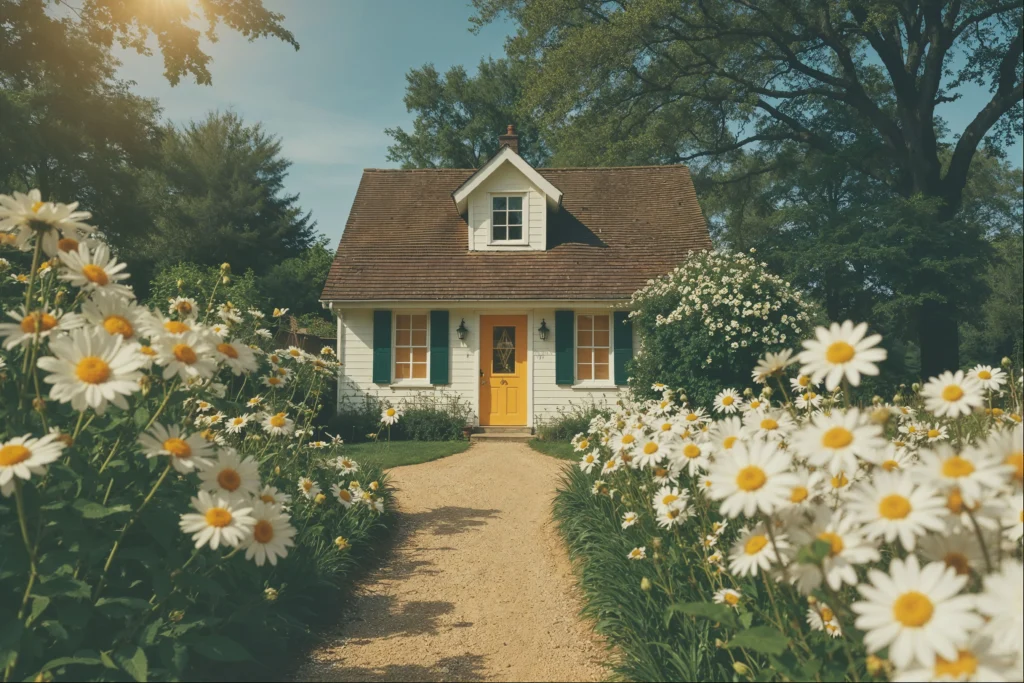
Modern construction technology has introduced new ways to make cottage style homes more affordable without sacrificing charm.
Modular Construction Efficiency
Prefabricated cottages built in controlled factory environments minimize weather delays and material waste. Modules arrive on-site ready for assembly within weeks rather than months. This approach can cut total build time by 30–50%, translating into substantial savings on labor overheads.
Standardized Floor Plans Lower Design Fees
Many modular home companies offer pre-designed cottage plans that eliminate costly custom architectural services. Buyers can still personalize finishes like cabinetry or flooring while keeping structural elements standardized for efficiency.
Energy Efficiency Savings Over Time
Factory-built cottages often incorporate tight insulation systems that reduce heating and cooling bills long-term. Although initial investment may mirror traditional builds, operational savings improve affordability across decades of ownership.
What Are Common Cost-Saving Strategies When Building A Cottage?
Even within traditional construction methods, several strategies help keep budgets under control without compromising quality.
Simplified Structural Design
Choosing straightforward rectangular footprints over complex L-shaped layouts minimizes foundation work and roofing complications. Builders frequently note that every corner added increases framing cost by roughly 5–10%.
Use Of Mixed Materials
Combining premium accents—like stone chimneys—with economical siding materials creates visual richness at lower expense. This hybrid approach aligns with modern interpretations of classic cottages seen across North America today.
DIY Finishing Work
Homeowners skilled in painting or interior trim installation can assume finishing tasks themselves after major construction concludes. While not suitable for everyone, partial DIY involvement can save thousands in contractor fees if executed carefully under guidance from professionals.
Do Energy Codes And Sustainability Goals Affect Cost?
Energy efficiency standards increasingly shape residential design choices worldwide—and cottages are no exception.
Compliance With Modern Building Codes
Most jurisdictions now enforce stricter insulation requirements than decades past. Meeting code through high-performance windows or spray foam insulation raises upfront cost but yields better comfort levels year-round.
Sustainable Material Selection
Eco-conscious buyers may opt for FSC-certified lumber or recycled metal roofing to reduce environmental impact. Although these materials carry premiums of 10–20%, they align with sustainability goals valued by many modern homeowners seeking long-lasting durability over short-term savings.
Long-Term Value Considerations
While sustainable features raise initial budgets slightly, they enhance resale potential as energy-efficient housing demand grows annually across U.S., Canada, and Europe according to Zillow’s 2022 market trends report citing green-certified properties appreciating faster than conventional ones.
FAQ
Q1: How much does it typically cost to build a 1,500-square-foot cottage style home?
A: Depending on region and finish level, most fall between $225,000–$450,000 based on national averages reported by HomeAdvisor (2023).
Q2: Are cottage style homes energy efficient?
A: Yes—smaller footprints mean less space to heat or cool; when paired with modern insulation systems they perform efficiently compared with larger houses of similar age.
Q3: What exterior materials best balance durability and cost?
A: Fiber cement siding offers excellent longevity at moderate price points while mimicking traditional wood textures common in classic cottages.
Q4: Can you finance modular cottages like conventional builds?
A: Most lenders treat modular constructions as standard residential loans once permanently affixed to land titles; financing terms mirror site-built equivalents according to Fannie Mae guidelines (2022).
Q5: Do custom details like dormers drastically raise price?
A: They do add expense since each dormer increases framing complexity; simplifying rooflines remains one of the most effective ways to keep budgets manageable during design planning phases.