
What Are The Pros And Cons Of Farmhouse Style Homes
Farmhouse style homes have turned into a big hit in rural spots and city suburbs alike. You spot them all over Pinterest pages, home magazines, and even in town areas where folks want that old-country feel. But the style looks classic. Still, the daily life and fixes can get tricky. This piece looks at the good and bad sides of farmhouse style homes. It comes from a pro view. We focus on building design, how it works, money matters, and value over time.
Why Are Farmhouse Style Homes So Popular?
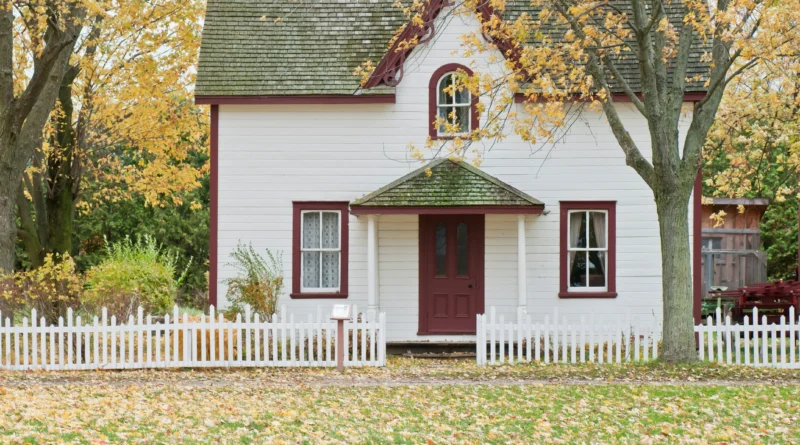
The draw of farmhouse style homes comes from their mix of plain looks, ease, and real use. They bring back memories of farm life. Yet they mix in today’s comforts that help with routine tasks. Lots of owners like the wide-open setups, raw stuff like wood, and snug vibes.
Aesthetic Appeal and Timeless Charm
Farmhouse style homes usually show off bare beams, big front porches, and soft colors. These parts make a cozy but classy space. They mix old skills with new ideas. The mix of rough feels—like used wood—and fresh touches pulls in people who want realness in their place. I mean, who doesn’t love a home that feels like a hug from the past?
Spacious Layouts for Modern Living
A big reason they catch on is the open floor plan. Farmhouses back in the day had huge spots for family meetups. That fits right into now’s love for rooms that do many jobs. The kitchen stands as the main spot. It links smooth to eating and sitting areas. Think about cooking dinner while chatting with kids doing homework nearby—it’s practical magic.
Connection to Nature
Another key pull is how farmhouse design ties you to the outdoors. Big wraparound decks, tall windows, and slide-open barn doors let in lots of sun and breeze. This link brings peace that city builds often miss. In my experience from site visits, owners say it cuts down on that closed-in stress from busy streets.
What Are the Main Advantages of Farmhouse Style Homes?
People love how they look. But farmhouse style homes give real perks too. These go past just pretty sights.
Versatile Design Adaptability
Farmhouse building fits well in many places. You can put one on country land or in a neighborhood near town. The style takes in new save-energy parts without dropping its old feel. Things like tin roofs, plank siding, and plank walls can change to match weather or wallet size. For example, in rainy spots, folks pick tougher metal over wood to dodge water woes.
Comfort and Functionality
The true mark of a farmhouse is how comfy it feels. Broad halls, tall roofs, and tough floors like wood planks or rock make them great for busy homes or animal lovers. Storage spots such as built-in seats or entry rooms add daily help. It’s like the house thinks ahead for muddy boots after a rainy walk.
Long-Term Durability
Lots of farmhouse style homes use strong stuff meant to hold up for years if you care for it right. Wood frames with good work make the build solid as time goes on. Kept well, these places get better with age. They don’t fall apart fast. I’ve seen ones from the 1800s still standing strong after smart fixes.
What Challenges Come With Owning a Farmhouse Style Home?
They draw crowds for good reason. Yet farmhouse style homes have hurdles too. These hit upkeep and money control hard.
Maintenance Requirements
Wood outsides need paint or seal jobs often. This stops rot or bugs. Bare beams indoors might want checks now and then to keep their look. For folks who like easy care, this turns into a chore. Picture scraping old paint on a hot summer day—not everyone’s cup of tea.
Higher Construction Costs
Farmhouses push for special touches. Think handmade cupboards or saved wood. So build prices top those of plain neighborhood houses. Even ready-made ones add fancy ends that bump up the bill. In one project I recall, custom beams alone added 15% to the total tab.
Energy Efficiency Concerns
Old farmhouses can have trouble keeping heat in. Big windows or high roofs let drafts sneak by. Without fixes like two-layer glass or new air systems, power costs climb in rough weather. Winters get cold, summers hot—bills follow suit. But hey, a good upgrade can flip that script quick.
How Do Farmhouse Style Homes Affect Property Value?
Farmhouse looks keep good sell prices if you tend them right. They pull in many buyer types who like homes with personality.
Market Demand Trends
Zillow’s 2023 housing trend report shows listings with “farmhouse” in the name got 35% more looks than usual U.S. spots (source: Zillow Research). This points to steady want in areas where country-new mixes stay hot. It’s no surprise—buyers scroll for that cozy escape.
Regional Variations in Value
In farm lands, real old farmhouses hold history that lifts worth more. But in city spots where land costs rule, folks pick spot over build style. So sell chances vary. Out west, one sold 20% over ask thanks to its barn door charm; east coast, location stole the show.
Renovation Potential
A plus is how flexible they are. You can turn old farmhouses into fancy pads without killing the vibe. Add smart tech or green fixes. This ups comfort and sell edge. It’s like giving the house a fresh start while keeping its soul intact.
Are Modern Farmhouse Designs Different From Traditional Ones?
Yes, they come from the same roots. But they change a lot in how they’re done. This fits new ways of life and build tools.
Material Innovation
New takes use fake wood goods or mix siding over old pine planks. This fights weather better. Tin roofs swap out shakes in many builds. They last ages and need less work. Plus, they gleam under sun—practical and eye-catching.
Interior Layout Evolution
Old farmhouses split rooms by job. Kitchen stayed away from sitting room. New ones go for open setups. Here, cooking, eating, and fun mix in one flow. It suits families who live all-in-one. No more yelling across walls to chat.
Sustainability Integration
Today’s builders add sun panels, save-energy tools, and green fill stuff into fresh farmhouse jobs. This fits care for the earth with now’s build rules (source: U.S. Green Building Council 2022). It’s smart—cuts bills and feels good. One builder told me it shaved 25% off yearly power use in a test home.
How Can You Decide if a Farmhouse Style Home Is Right for You?
Picking this home style hinges on how you live more than just how it looks. Think about your days.
Consider Your Maintenance Tolerance
If you like hands-on fixes—say, brushing paint on rails or smoothing wood floors—a farmhouse might thrill you. But if low-work fits better, look at mixed types with easy stuff like fake wood siding over real. It saves sweat without losing the look. Balance is key here.
Evaluate Space Needs
Big families gain from the roomy size common in farmhouses. But alone folks or pairs may see it as too much. Unless they host lots or need home work spots for extra rooms. For a couple with a garden hobby, that extra shed space turns into a dream workshop.
Balance Cost Versus Value
Upfront cash might top plain house builds. Yet over years, the joy often beats money hits. Good work means it lasts long, not just a bit. In the end, it’s about what brings home happiness, right? Crunch numbers, but follow your gut too.
FAQ
Q1: What defines a farmhouse style home?
A: It usually has basic shapes, wide porches, raw stuff like wood or rock, and a push for rooms that work well. These draw from country ways.
Q2: Are farmhouse style homes energy efficient?
A: Not always right out. Old ones might miss good fill to hold warmth. But new builds add top air systems and green ways to cut power use. It depends on the updates.
Q3: Do farmhouse style homes work well in cities?
A: Yes. Town builders tweak the look for small lots. They keep key parts like sloped roofs or barn-like doors. This holds the style in tight spaces.
Q4: How much does it cost to build a new farmhouse?
A: Costs swing by custom picks and area. They run from $250 to $400 per square foot, per HomeAdvisor info from 2023 (source: HomeAdvisor). Plan for extras if you go fancy.
Q5: What’s the best way to maintain a farmhouse exterior?
A: Check wood parts for water harm every half year. Repaint every five years. Clear gutters each season. Seal decks once a year. This guards against weather wear and keeps it looking sharp.