
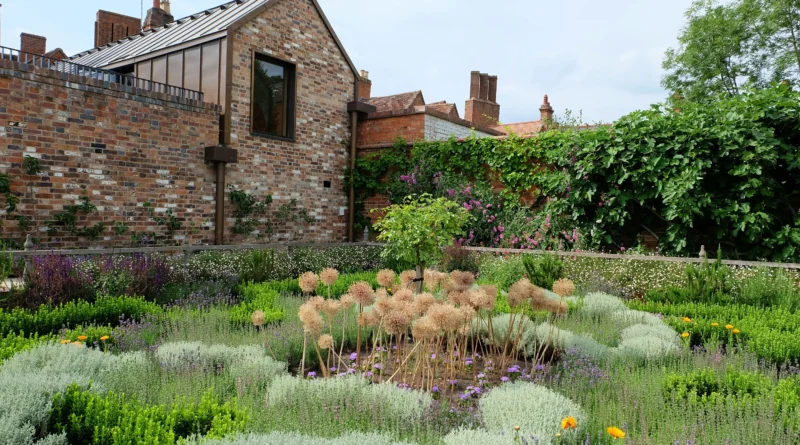
How To Design Cozy Cottage Style Homes
Building a cottage style home does not follow strict guidelines or call for pricey supplies. Instead, it focuses on warmth, varied textures, and the appeal of slight flaws. Such homes bring back fond memories. They also provide ease and usefulness. For those skilled in building design and room setups, the task is to mix true charm with today’s living needs. The next parts look at ways to plan snug cottage style homes. These designs feel lasting and unique to the owner. I have seen many folks add personal touches, like family heirlooms, to make their spaces even more special.
What Defines the Character of Cottage Style Homes?
Cottage style homes stand out for their welcoming vibe, handmade touches, and link to the outdoors. Building parts often show sloped roofs, bare wooden beams, and gentle color choices that match nearby nature. Before getting into exact design tips, it helps to spot what makes these homes so special.
Architectural Features That Set the Tone
The outside of a cottage home usually has wooden panels or rock walls, tiny glass windows, and peaked roofs. These parts make the place feel close and friendly, not big and showy. Inside, you find low ceilings, built-in shelves, and small cozy spots that catch the eye. A smart cottage skips even shapes. It picks natural arrangements that grow and change with time. For instance, in one project I recall, the owners added a crooked hallway that led to a hidden reading spot, which really boosted that lived-in feel.
Natural Materials and Textures
Wood, bricks, cotton fabrics, and wool fill the main choices in cottage rooms. Picking upcycled wood for the floor or open beams brings realness. It also helps the planet by reusing stuff. Bumpy plaster on walls or wooden plank panels give a crafted appearance. When you layer items, like rough-cut wood with gentle cloths, you build layers and a nice feel to touch. Think about mixing a wool blanket over a wooden bench; it just makes the room more inviting on a chilly evening.
Color Palettes That Evoke Warmth
Light whites, soft greens, cozy creams, and pale blues make up the usual cottage colors. These shades handle light in a mild way. They help rooms seem bigger but still keep that close feel. Skilled designers suggest blending flat paints with light shiny ones. This catches how sunlight shifts during the day. In practice, using a cream wall with a hint of blue trim can make a small bedroom feel twice as large without losing its snug charm.
How Can You Create a Functional Yet Cozy Layout?
A snug home has to work well for daily life too. Cottage setups put emphasis on smooth movement between rooms. At the same time, they keep a feeling of being tucked away. The main idea is to mix wide spots with clear areas for sitting or eating. Sometimes, people forget how a simple corner chair can turn a busy space into a restful one.
Open Yet Intimate Spaces
Rather than wide-open plans, cottages use half walls or curved doorways. These link areas so you can see them but still feel apart. Take a kitchen, for example. It might connect to a eating corner via a broad opening. This is better than knocking down a whole wall. Such a setup holds in the heat. Plus, it lets people chat easily. In my experience with small family homes, this design cuts down on noise while keeping everyone close during meals.
Efficient Use of Small Spaces
Cottage homes tend to be compact. They make the most of every bit of room with smart tricks. Built-in seats with hidden storage below or window benches that serve as quiet spots use space well. Experts point to chairs with soft curves. These ease the shift in narrow spots. For a real-life tip, try adding shelves above a doorway; it stores books without taking floor room, perfect for a 200-square-foot living area.
Flow Between Indoor and Outdoor Areas
Cottages mix inside ease with outside views. Tall glass doors to yards or decks stretch the living space. Placing herb pots by kitchen glass or letting plants climb outer walls strengthens this tie to nature. One garden I visited had vines framing the door, which made entering feel like stepping into a storybook scene every time.
Why Is Lighting Crucial in Cottage Style Design?
Light sets the feeling more than anything else in a cottage home. It highlights textures, marks off areas, and brings warmth on gray days. Without good light, even the coziest room can feel flat.
Layered Lighting Strategy
Use layers of light. Mix general glow from overhead lamps with work lights from desk lamps or wall fixtures. Choose bulbs that give a warm tone, about 2700K. They create the gentle shine linked to old cottages. Start with one main light, then add two or three smaller ones per room for balance.
Natural Light Integration
Big windows with plain cotton drapes let sun in softly. Roof windows can light up dim spots. They do this without losing privacy or keeping heat in. In northern climates, where days are short, these choices add hours of brightness, making winter months more bearable.
Decorative Fixtures as Focal Points
Old-style hanging lights or metal lanterns do a job and look nice. Their made-by-hand quality fits rough materials. They also add a tale to the room, which fits true cottage setups. Pick one standout piece, like a lantern over the dining table, to draw eyes and spark conversations about its history.
How Do Furnishings Enhance the Cottage Feel?
Choices in furniture shape how people use the space each day. The top picks blend ease with a worn look. They seem used, not fresh from a store. It’s these small details that make a house feel like a home.
Vintage and Handmade Pieces
Old wooden tables or woven floor covers add personality right away. Designers often buy from nearby makers. This keeps a local flavor and helps craftspeople keep going. For example, a handmade quilt from a local fair can tie a room together better than any store-bought item.
Soft Upholstery Choices
Covered couches in cotton or linen work well for family spots. They look neat but handle everyday use. Add blankets and pillows for extra softness. Do this without making things messy. Layer just three or four items to keep it tidy yet warm.
Eclectic Mix for Personality
Cottage rooms do best with a varied look. Pair an aged oak seat with a fresh woven stool. It feels right in this style. Aim for agreement through differences, not sameness. In one cozy den I know, mixing a velvet pillow on a pine chair created just the right quirky vibe without overdoing it.
How Can You Incorporate Modern Comforts Without Losing Charm?
Today’s conveniences do not have to fight with old looks if picked with care. The trick is to fit tech in quietly within classic setups. Balance is key here.
Concealed Technology Solutions
Hide flat TV screens behind cupboard doors. Smart temperature controls can match wall shades with special covers. Hiding these keeps the calm sight needed for snug spots. I’ve noticed that in homes with kids, this setup prevents distractions while still allowing movie nights.
Energy Efficiency Upgrades
Windows with two glass layers hold warmth better than old single ones. They can look like past styles with split light patterns. Floor heating that glows under used wood boards gives ease without being seen. These changes cut energy bills by up to 30 percent in cold areas, based on common builder reports.
Durable Yet Authentic Finishes
Stone-like quartz tops need little care but look fancy. They suit busy kitchens that want a lasting style. Swap in these for wood counters in high-use spots to save time on upkeep.
What Role Does Landscaping Play in Completing the Look?
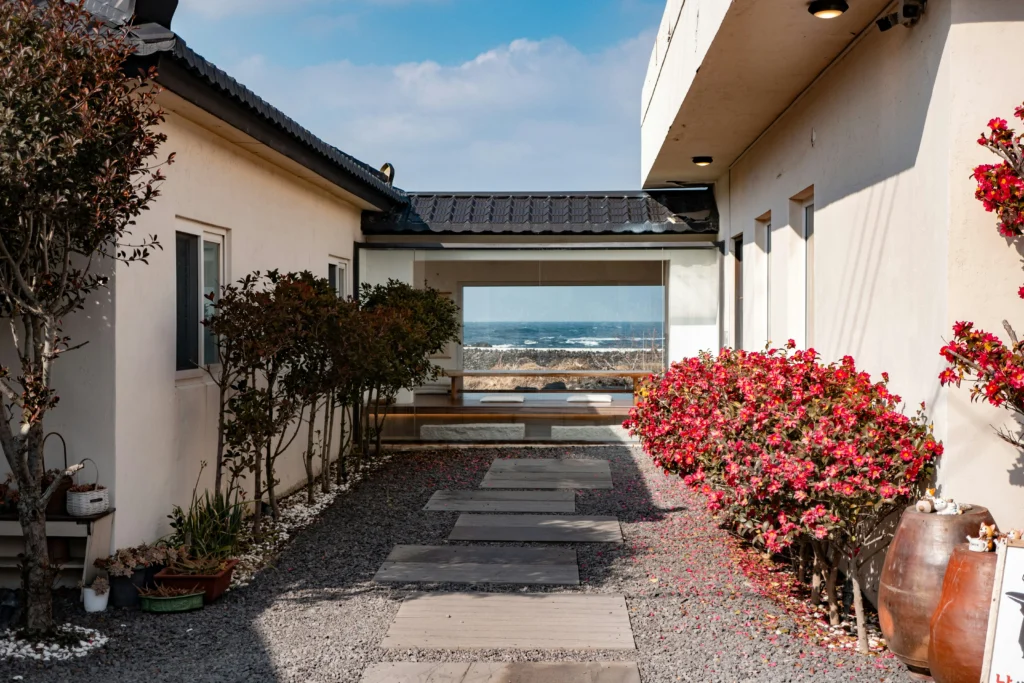
Outside areas finish the tale of any cottage home. They spread its appeal out into the natural world. A good yard can make the whole property shine.
Informal Garden Design
Cottage yards like plenty over neatness. Lavender edges that spill onto walks or roses climbing near doors show easy beauty from old ways. Plant in clusters of five or seven for that full, wild effect without much trimming.
Pathways and Outdoor Features
Gravel walks with wild blooms along them call for strolls. Rock seats urge people to sit and stay outside. This matches the slow pace at the heart of cottage life. Add a small fountain nearby for soothing sounds on summer days.
Seasonal Planting Schemes
Change flowers with the seasons to keep yards full all year. Tulips bloom in spring. Hydrangeas fill summer. Asters color fall. All these follow nature’s rhythms, key to cottage thinking. Rotate about 20 plants each season to keep things fresh and low-cost.
FAQ
Q1: What Is the Main Difference Between Cottage Style Homes and Farmhouses?
A: Cottage homes stress closeness and pretty details. Farmhouses aim for usefulness and wide setups. These suited farm families long ago, linked to farm work.
Q2: Are Cottage Style Homes Expensive to Build?
A: Not always. Small sizes cut costs a lot compared to big city houses. But handmade parts might bump up the final price a bit, based on the supplies you pick.
Q3: Can Modern Apartments Adopt Cottage Style Interiors?
A: Sure. Add bumpy cloths, warm light shades, old-style furniture, and green plants. Even tight city spots can get that same snug feel tied to classic cottages. Start with one room to test it out.
Q4: What Flooring Works Best for This Aesthetic?
A: Broad wood planks are the go-to pick. But fake versions now copy worn looks well. They last in busy homes too. Go for oak tones to match most setups.
Q5: How Do You Maintain Authenticity When Renovating an Old Cottage?
A: Keep key parts like open beams if you can. Swap only what must go. Use stuff from the era to link old skills with now’s wants. This way, the home tells its full story.