
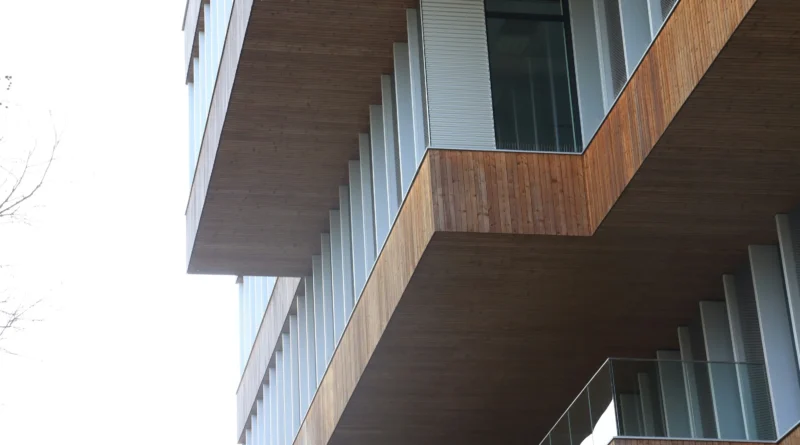
What Is Sustainable Building And Design And Why It Matters
Sustainable building and design has grown from a small idea in architecture into a worldwide effort. This effort changes how cities expand, how structures work, and how folks live day to day. For those working in building, design, or green planning, this way isn’t only about rules or looks. It’s about making places that hold up well, use less stuff, and give healthier spots for people inside. This piece looks at main questions about sustainable building and design. It shares smart thoughts on its basic ideas, good points, tools, and tough spots. Think about a busy city block where old factories get turned into cozy homes with solar roofs. That’s the kind of real change we’re talking about here.
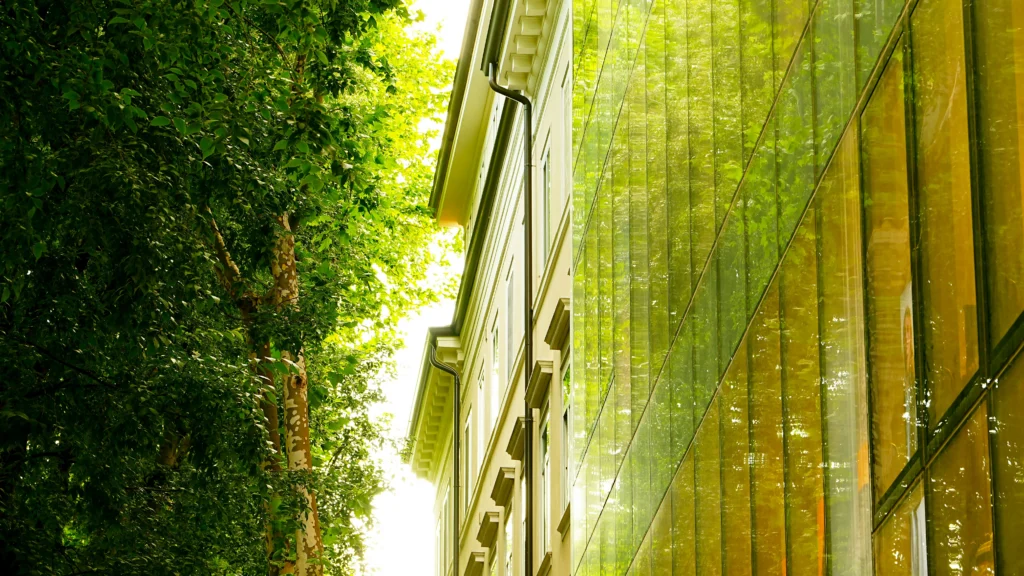
What Defines Sustainable Building And Design?
Sustainable building and design means making structures that cut down harm to the earth while boosting people’s health. It mixes smart energy use, saving stuff, and care for nature across a building’s full life. This starts from picking the right spot and goes to tearing down or reusing at the end. In real work, this involves picking fresh materials, making the most of sun and air flow, and thinking hard about each item’s long pull effects. I’ve seen projects where simple tweaks like better windows changed everything for the better.
Core Principles Of Sustainability In Construction
The base of sustainable building sits on three key supports: care for the earth, smart money use, and fair treatment for all. These make up what’s known as the “triple bottom line.” Every job tries to cut trash and smoke while helping keep things cheap and meeting group wants. For example, a school build might use local wood to save on shipping costs and support nearby workers.
Life Cycle Thinking In Design
Life cycle thinking looks at the whole cost to the earth for a building over years. It checks from getting raw stuff to throwing away or reusing at last. This way helps spot where energy or smoke can drop the most. Teams often find surprises here, like how transport adds more harm than the build itself in some cases.
Integration Of Natural Systems
Sustainable design copies nature’s ways a lot. Builders might add passive solar setups to keep temps steady without machines. Or they add green roofs that help bugs and plants grow while keeping heat in. Picture a office with vines climbing the walls; it cools the place naturally and makes workers smile more.
How Does Sustainable Building Reduce Environmental Impact?
When you put focus on sustainability in building work, each step helps lower smoke and save earth goods. The made world takes up about 40% of world smoke, based on 2023 numbers from the International Energy Agency (IEA). Cutting that needs new ideas and steady work. In rainy spots like Seattle, for instance, designs catch water to avoid waste, which fits local weather perfectly.
Energy Efficiency Strategies
Buildings that save energy use top-notch wall fillers, strong windows, and clever setups that tweak heat or lights when people come and go. These steps can drop daily energy needs by as much as 30%. It depends on the weather area and what kind of place it is. A home in a cold spot might add thick walls to trap warmth, saving bills each winter.
Water Conservation Techniques
Tools like low-flow sinks, setups to grab rain, and ways to reuse sink water cut water use. They keep comfort and clean standards high. In dry areas, this means less pulling from rivers, which helps everyone around.
Waste Reduction And Material Reuse
Building trash fills a big part of dump sites around the world. Picking ready-made parts or old steel cuts that trash. It also makes jobs finish faster. One crew I know reused bricks from a torn-down barn, saving cash and keeping history alive in the new spot.
What Are The Economic Advantages Of Sustainable Design?
Sustainable jobs might need more money at the start for better stuff or tech. But they bring big savings later with lower run costs. Over 20 years, that adds up quick. Plus, in today’s market, green spots sell faster to smart buyers.
Lower Operating Costs Over Time
Systems that save energy mean smaller bills for power. A 2022 report from McKinsey & Company says green-approved buildings save 15 to 25% each year on energy compared to regular ones. Owners notice this in the first few months, especially with rising power prices.
Increased Property Value
Places made with green ideas draw higher sale prices. People see their strong build and low fix-up needs. Renters pick them too for the good name it gives a business. In hot real estate spots like Austin, these homes go for 10% more right away.
Access To Incentives And Funding
Lots of governments give tax breaks or money help for jobs that hit green marks like LEED (Leadership in Energy and Environmental Design) or BREEAM (Building Research Establishment Environmental Assessment Method). These can cover a good chunk of start costs. It’s like a bonus for doing the right thing early.
Which Technologies Drive Modern Sustainable Construction?
Tech helps turn green aims into real results you can measure. From computer models to fresh power sources, new ways shape how well goods get used in a job’s full run. Without these, many projects would stall on old habits.
Building Information Modeling (BIM)
BIM lets designers and tech folks test how a build will act before any dirt moves. They see air flow or sun hits on screens. This lets them pick wisely early on. It cuts big changes that cost extra later. A team using BIM for a hospital caught a shading issue before pour, saving weeks.
Renewable Energy Integration
Solar boards, wind machines, and earth heat setups fit into new builds more each day. Net-zero places make as much power as they use in a year from these. In sunny California, solar covers whole neighborhoods now, cutting grid pull by half.
Smart Building Systems
Sensors linked by IoT watch air clean, people count, and temp shifts right away. This info helps keep things comfy with less waste. Lights dim when rooms empty, for one, which feels smart but simple.
How Does Sustainable Design Improve Human Health And Well-Being?
Besides cutting earth harm, green buildings boost body ease and mind peace for those inside. This side gets skipped sometimes when talking numbers. But folks feel it daily, like fewer sick days at work.
Indoor Air Quality Improvement
Using paints without bad fumes and stuff low in volatile organic compounds (VOCs) drops inside dirt a lot. Good air flow keeps fresh breezes moving. In tight city apartments, this fights off stuffy feels that bug people.
Natural Lighting And Biophilic Elements
Sun inside lifts spirits and work output, per studies from WELL Building Institute folks from 2018 to 2021. Adding plants or rough textures links you to outside even in. A office with big windows and ferns cut stress reports by 20%, workers said.
Thermal Comfort And Acoustics
Good wall fillers save power and keep inside temps even all year. They also block noise between areas. Surveys from shops worldwide show this boosts happy levels for those living or working there. Quiet nights mean better sleep, plain and simple.
What Are The Challenges Facing Sustainable Construction Today?
Tech and rules help push things forward, but roadblocks still slow green building spread across the globe. It’s not all smooth; some spots lag due to old ways or tight budgets. Yet, slow wins build momentum.
High Initial Costs And Market Barriers
Green stuff like cross-laminated timber costs more than usual picks. This comes from short supply lines or no close makers. Small builders struggle here, but big firms find ways around with bulk buys.
Regulatory Complexity
Rules differ by place, making plans hard for teams working in many lands. They want steady steps across spots. One global chain spent months sorting codes for a hotel chain, delaying starts.
Skill Gaps In Workforce Training
Many builders miss school on green tricks like natural temp plans or top air systems. This shows a big need for fresh learning in the field. Trade schools now add classes, but it takes time to catch up.
FAQ
Q1: What Is The Main Goal Of Sustainable Building?
A: The top aim is to make structures that fill today’s needs without hurting what comes after. It balances earth care with money sense. In short, it’s about lasting good for all.
Q2: Are Green Buildings Always More Expensive To Build?
A: No, not always. Start costs might rise for special gear or check fees. But run savings from less power use cover that over years. Many owners break even in five years flat.
Q3: How Can Existing Buildings Become More Sustainable?
A: Update old places with bright lights that save power, better wall stuff, or sun boards on roofs. These quick fixes lift green scores fast. A 50-year office got new windows and cut heat loss by 40% easy.
Q4: Which Certifications Indicate A Building’s Sustainability Level?
A: Well-known ones are LEED (U.S.), BREEAM (U.K.), Green Star (Australia). They check things like good use of stuff, water care, and inside air. These marks work worldwide as solid guides today.
Q5: Why Should Businesses Prioritize Sustainable Design Now?
A: It trims costs long-term, boosts company image, and draws green-minded customers and staff. Plus, it helps hit world climate aims from deals like the Paris Accord of 2015. With weather talks heating up, jumping in early pays off big.