
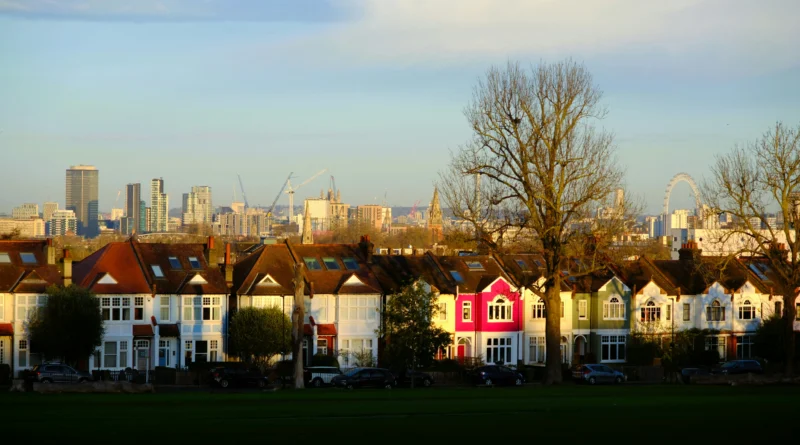
Can Farmhouse Style Homes Work in Urban Areas
Farmhouse style homes have always linked to big open lands, simple charm, and a tie to the outdoors. But now, as towns grow bigger and city life changes, more people who own homes like the cozy feel and easy look of this style. The big question remains: can farmhouse design really match the quick pace and tight spaces of town living? This piece looks at ways to adjust farmhouse parts for city spots. It keeps the real draw without losing what makes it special. I mean, think about squeezing that country vibe into a bustling street—it’s tricky, but doable.
What Defines a Farmhouse Style Home?
Farmhouse style homes come from real needs and ease. Long ago, farmers built them for daily use. They needed big kitchens, wide-open plans, and tough stuff that lasted through hard work. Over the years, this basic setup turned into a clear look. It mixes rough feels with fresh ideas.
Architectural Features and Materials
Old farmhouse buildings often show sloped roofs, wide front steps, bare wooden supports, and plank walls from wood or shiplap. In city versions, folks rethink these parts. They use green items like reused wood or metal windows with frames. These nod to the old ways but follow town rules. For instance, in a place like Brooklyn, builders might pick steel that looks like aged timber to save space.
Interior Design Elements
Step inside a city farmhouse home, and you see soft colors, lots of daylight, and few fancy bits. The goal is to make rooms feel roomy, even when they’re small. Take wide wood floors or dull finishes—they keep that natural touch. They don’t crowd tight spots. It’s like turning a shoebox apartment into a welcoming nook.
Emotional Connection to Simplicity
Farmhouse style hits home because it stands for ease and truth. In busy towns where days fly by, this look brings quiet. It serves as a sight of slower days and steady life. Sometimes, after a long commute, walking into such a space just feels right—like a hug from the past.
How Can Farmhouse Design Adapt to Urban Constraints?
City spots bring tough spots like small areas, firm land rules, and loud sounds from streets. Still, smart fixes let the farmhouse feel grow strong in these limits. Designers get creative, and it works out well.
Compact Layouts with Open Flow
Town plots seldom give room for huge bases. So, experts push for open plans. They blend kitchen, eating, and sitting rooms into one smooth area. Sliding barn doors help. Or glass walls add choices. This keeps the style alive. And it saves space too. Picture a family in Chicago using a barn door to split playtime from dinner without walls closing in.
Vertical Gardens and Green Spaces
Outdoors are rare in cities, so wall gardens or roof decks step in for old farm fields. These small green areas pull nature close. They clean the air a bit. And they fit the farmhouse love for the wild. In fact, one study from a green group showed these setups cut city heat by up to 5 degrees on hot days.
Soundproofing and Material Adaptation
Town racket can break the peace that farmhouse life promises. So, add hidden foam boards that look like wood strips. Or use thick glass windows. They block noise. Yet they hold the rough look. This way, you get calm inside. It matches the style just fine.
Why Are Urban Residents Drawn to Farmhouse Style Homes?
The pull of farmhouse style in towns goes past looks. It’s about ways of life that push back against city stress. People want that break, and this design delivers.
Nostalgia for Authentic Living
Lots of town folks yearn for realness in a world full of screens. The touchable woods and made-by-hand parts in farmhouse rooms bring back old memories. They miss the skill in everyday builds, not factory stuff. It’s like holding a piece of grandma’s kitchen in your high-rise.
Balance Between Modernity and Tradition
Farmhouse setups mix old charm with new perks. Think shiny steel stoves by thick wood tops. Or smart lights with iron hooks. This mix lets you have gadgets and history side by side. It flows easy in daily use. And honestly, who doesn’t love a fridge that beeps while the cabinets creak like an old barn?
Psychological Comfort Through Natural Elements
Research points out that real textures like wood and cloth lower worry more than fake ones (source: Journal of Environmental Psychology, 2021). So, adding these inside helps town owners make healing spots in packed areas. It’s a small win against the grind.
Can Sustainability Enhance Urban Farmhouse Living?
Green ways match farmhouse roots well. Both value smart use and care for the earth. In town setups, this fit boosts care for the planet. It keeps the look solid too. Plus, with climate talks everywhere, it’s timely.
Energy-Efficient Retrofits
Put in low-power windows or sun panels. They boost the earth-friendly side of farmhouse days. And they don’t change the sight. Many builders now grab reused bits from nearby tear-downs. This cuts waste. For example, a project in Seattle used old barn wood for new walls, saving tons of new lumber.
Water Management Systems
Catch rain on roofs for little garden plots, a staple in town farmhouses. These setups cut reliance on city pipes. It’s key for green town plans. One neighborhood in Portland saw water bills drop 20% after adding these.
Locally Sourced Furnishings
Pick tables and chairs made nearby. It helps local makers. It also trims travel fumes. This ties to the hand-done feel of old farmhouses. And it builds loops in town economies. Simple choice, big ripple.
How Do Interior Designers Translate Rural Warmth into City Homes?
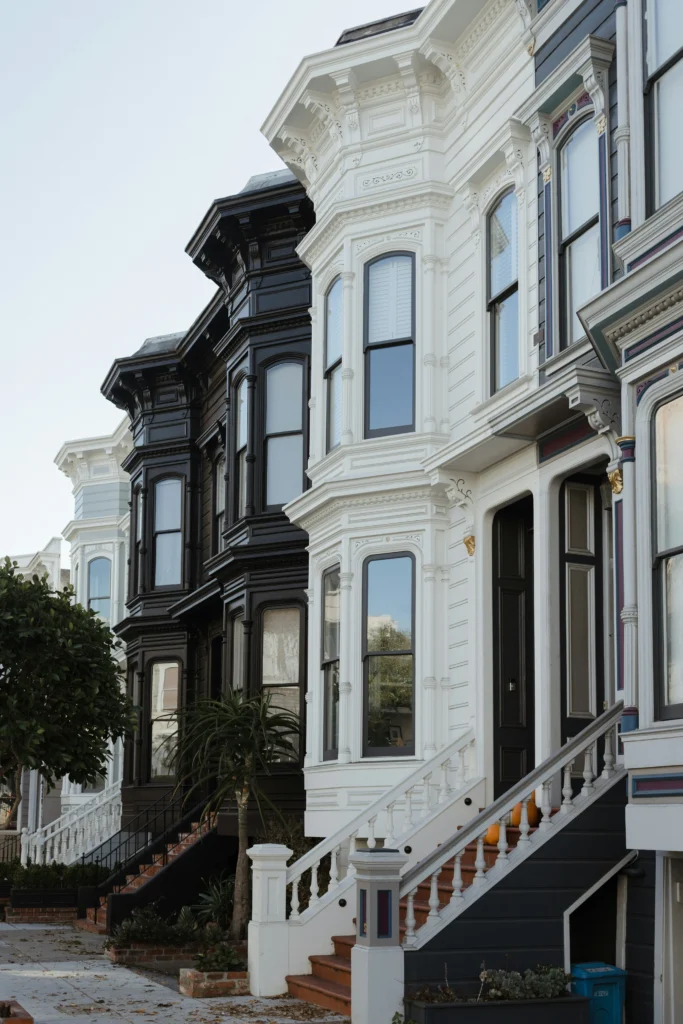
Room planners help link country feels to town truths. They focus on sizes, feel mixes, and light tricks. Their work turns tight spaces into cozy havens.
Layered Textures for Depth
Mix rough wood supports with sleek stone tops. This builds sight layers. It avoids mess in small floors. The method gives warmth. It stays sharp for town tastes. In a real job, a designer in Austin layered linen curtains over brick for that just-right balance.
Neutral Palettes Accented by Organic Tones
Planners stick to whites, light yellows, and pale grays as mains. They add earth shades like red clay or deep green. These colors hint at fields. But they work in now settings. It’s flexible and calm.
Lighting That Mimics Natural Ambiance
Many town homes miss bright sun. So, use warm bulb lights near shiny walls or gold touches. They fake soft day glow from farms. This brings the outside in. And it makes evenings feel longer.
What Challenges Do Developers Face When Building Urban Farmhouse Projects?
Builders aiming for farmhouse towns hit roadblocks. These range from land rules to how folks see the market. It’s not easy, but they push through with tweaks.
Zoning Regulations and Building Codes
Town laws might block big steps or steep roofs from height caps. So, builders shift ideas. They keep signs like plank walls or small roof windows. This holds the feel. In Denver, one team swapped a full porch for a slim balcony to meet codes without losing charm.
Cost Considerations
Old-style woods can hike prices. Finding them in city chains is hard. So, mix real with cheap to keep it open to buyers. Balance matters for sales. From experience, skipping full reclaim on cabinets saved 15% on a build.
Market Differentiation
Town sales overflow with plain flats or factory looks. To stand out, brand with heart stories. Sell the cozy, not just the new fad. Focus on feel over flash. It draws in those tired of cold designs.
FAQ
Q1: What Is the Main Difference Between Traditional and Urban Farmhouse Styles?
A: Old farmhouses stress big plans for country land. Town ones shrink those ideas. They use new build tricks. Yet they hold the rough looks. It’s all about fitting in without fading out.
Q2: Are Urban Farmhouse Homes Expensive to Build?
A: Prices change with picks. Reused wood or special coats might cost more than plain builds. But they last. And they hold worth over time. In the end, it’s an investment in comfort.
Q3: Can Apartments Adopt Farmhouse Design Too?
A: Sure. Tiny flats can add plank walls, old lights, or soft colors. No big changes needed. Just small swaps make a difference. I’ve seen a studio in Manhattan glow with just a wood shelf.
Q4: How Does Farmhouse Style Affect Property Value in Cities?
A: Homes with good farmhouse insides pull buyers who want cozy over bare. This sets them apart. It lifts seen worth in spots full of new styles (source: Zillow Home Trends Report 2023). Numbers show a 10-15% bump in some areas.
Q5: Is It Possible to Combine Industrial Loft Aesthetics with Farmhouse Design?
A: Yes. Blend bare bricks from lofts with wood beams from farms. It makes a mix called “urban rustic.” Young workers love it for the story in their walls. It’s fresh yet rooted.