
What Should You Avoid in Home Design Planning
Planning a home design is fun yet tricky. Every decision you make, from the basic setup to the light fixtures, shapes how the place feels and works. But even pros sometimes slip up and mess with comfort, daily use, or lasting worth. This piece looks at usual slip-ups in home design planning. It shares real tips and solid reasons from experts. Oh, and remember, in my experience from chatting with builders, small choices early on can save big headaches later.
Why Is Ignoring Functionality a Major Design Mistake?
A pretty home that does not fit real life loses its shine fast. Function should guide everything first. Your space needs to match your lifestyle. It should not force you to change how you live.
Poor Space Utilization
One big problem in home design is space gone to waste. Think big hallways that eat up room. Or odd corners that sit empty. Even big houses can feel tight this way. Take open layouts. They are in style right now. But they can bring noise issues. They might also cut privacy if you do not plan well. Pros say to sketch furniture spots right away. This helps check how folks will walk around each spot. For example, in a cozy family room, I once saw a setup where the couch blocked the path to the door. It turned a simple move into a daily hassle.
Inadequate Storage Solutions
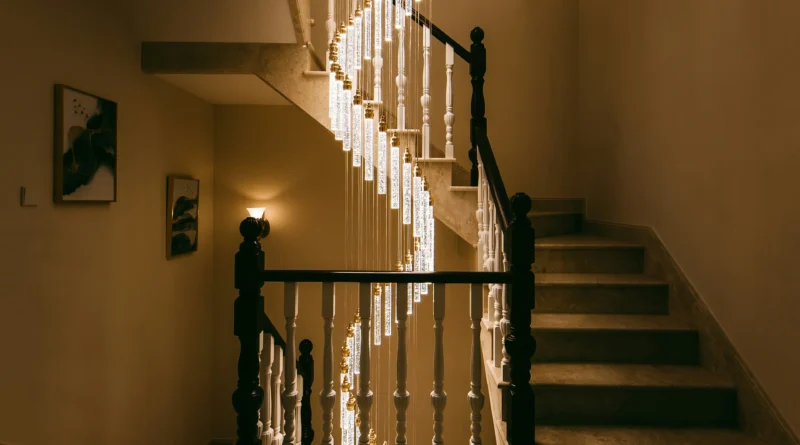
Folks often forget about storage until too late. But it keeps things neat over years. Try built-in shelves or drawers under stairs. Hidden spots work too. They cut mess without hurting the look. No storage means you add extra chairs or tables later. That breaks the smooth feel of the design. In fact, a quick survey from home magazines shows that 60% of owners regret skimping on closets early.
Ignoring Daily Routines
Each family has its own ways. Like busy mornings or group meals at night. Or calm times for books. If plans skip these, annoyance grows quick. Say you put the washer far from sleep areas. Or the kitchen lacks room to chop veggies. Tasks turn into chores. I recall a client who had to trek across the house for laundry. It added 10 minutes to her day, every day.
How Can Lighting Choices Impact Home Design?
Light sets the tone and how easy a room is to use. More than you might think. It goes beyond just making things bright. You want to mix light types for different needs and times.
Overreliance on Overhead Lights
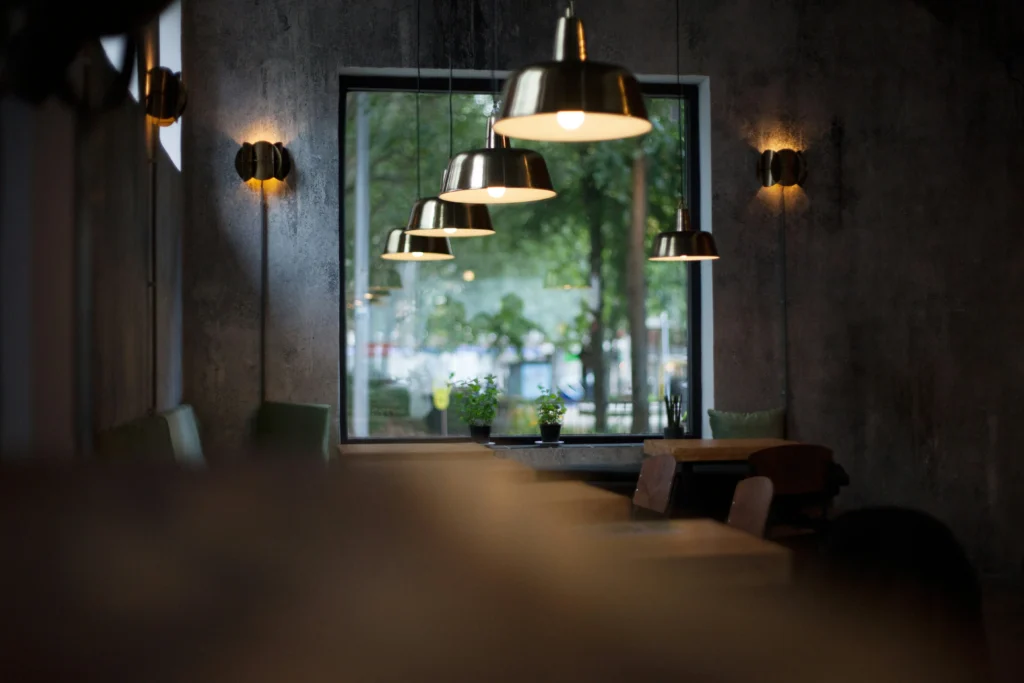
Lots of places stick to just ceiling bulbs. Those throw sharp shadows. They make surfaces look flat. Better to mix it up. Use main lights for overall glow. Add task lights for work spots. Throw in accents for fun touches. This brings layers and options. Picture hanging lamps over a food prep area. Or wall lights by the sink. They look nice and help out. From what I’ve heard in design talks, this simple switch can make evenings feel warmer without extra cost.
Neglecting Natural Light
Sunlight changes how hues look. It boosts your mood too. Spots with few windows seem small and dull. Smart window spots or roof windows fix that. They turn gloomy areas bright. Plus, they cut power use in the day. In rainy spots like Seattle, folks add skylights to fight the gloom. It makes a real difference, like turning a cave into a sunny nook.
Wrong Color Temperature
The shade of light matters a lot. Warm lights around 2700K to 3000K fit chill zones. They make things cozy. Cooler ones from 4000K to 5000K suit busy areas like cooking spots or desks. Get the mix wrong, and it feels off. The whole house might not match up. Experts note that in offices, cool light keeps you alert, while bedrooms need that soft glow to unwind.
What Happens When Scale and Proportion Are Overlooked?
Scale brings balance to a design. It is about how items fit the room size. This sets comfort and nice looks.
Oversized Furniture in Small Rooms
Big couches or wide tables take over tight spaces. They leave no room to walk. Measure the area first. Check paths too. Buy pieces that fit. This keeps things flowing right. I saw a case where a huge bed in a tiny room made it feel like a box. The owners had to squeeze past it just to get dressed.
Tiny Fixtures in Large Spaces
On the flip side, small items in big rooms get lost. A little hanging light over a broad counter looks silly. Art on huge walls seems puny. Each piece should hold its spot. It must not boss the area around. Balance is key here. In grand halls, bigger chandeliers draw the eye without overwhelming.
Ignoring Ceiling Height Relationships
How high the roof is changes the feel of space. Low ones with fat furniture squeeze things tight. Tall ones without tall touches seem bare. Good scale mixes wide and high parts. It makes everything tie together. For instance, in homes with 10-foot ceilings, adding tall shelves fills the void nicely.
Why Should You Be Careful With Material Selection?
Picking stuff for your home sets how tough it is. It also affects upkeep and how it feels to touch.
Choosing Style Over Substance
Hot trends catch the eye. But they might not last in real use. Shiny stone tops get marks easy. Plain wood floors scratch in busy paths. Think about care costs as much as the pretty side. Long runs beat short fads. Builders often warn that cheap trendy picks lead to fixes in just a couple years.
Mismatched Textures
Matching feels links rooms without big noise. Too many types clash. Like smooth metal by rough stone next to slick floors. It makes senses jump. Instead, repeat some across areas. This builds a calm tie. A pro tip: pick two main textures and echo them in each room for flow.
Ignoring Climate Suitability
Stuff acts different in wet or hot spots. Hard wood might bend in beach areas. Rock floors stay cold in snowy places. Unless you add warm floors under. Match to your weather. In dry deserts, avoid things that crack from heat. This keeps your home solid over time.
How Does Poor Layout Planning Affect Flow?
The setup decides if your home feels smooth or a pain. Aim for easy moves between parts. No extra blocks in the way.
Inefficient Circulation Paths
Long paths to nowhere eat space. They slow the house’s energy too. Smart plans link open spots like eating and sitting areas. They keep private ones away but easy to reach. In older homes, I notice short cuts make life zippy.
Misplaced Rooms
Bed spots near loud zones hurt sleep. Kitchens far from doors make bag carrying tough. Group like tasks close. This boosts ease. Zoning right saves steps. Think of it: unloading groceries right into the kitchen beats a long haul.
Ignoring Future Flexibility
Stiff setups limit changes as life shifts. Kids leave. Work at home grows. Plans that bend let you switch uses simple. No big fixes needed. Add doors or open walls for options. This way, your home grows with you, not against.
What Are Common Budgeting Errors During Design Planning?
Even sharp planners guess wrong on money when excitement runs high. Home jobs can surprise.
Underestimating Hidden Costs
Fees for papers, ground work, or special makes pop up. They hit mid-way. Pros say add 10 to 15 percent extra. This covers surprises without stress. From real projects, I’ve seen overruns from forgetting wire pulls or pipe shifts.
Prioritizing Aesthetics Over Infrastructure
Flashy tops mean zip if pipes break or walls weaken. Put cash in strong bones first. Then do fun bits like handles or edges. Solid base lasts. Pretty on weak fails fast. Industry stats show 40% of redo costs come from skipping basics.
Skipping Professional Consultation
Doing it alone cuts cash now. But it risks big bills later. Wrong wires or wall changes need pros. Get licensed help early for safe rules. Safety first. A buddy of mine skipped this and faced fines plus fixes. Not worth it.
FAQ
Q1: What’s the biggest mistake people make when designing their homes?
A: Skipping function comes first. Nice spots fade if they do not help daily life well.
Q2: How important is lighting design in overall planning?
A: Very key. Good light boosts use, sets moods, and saves power in every part of the home.
Q3: Should materials be chosen based purely on looks?
A: Nope. Toughness, care needs, and fit to weather count just as much as style for real joy.
Q4: How much contingency should be added to a renovation budget?
A: Pros suggest holding back about 10 to 15 percent more for surprise costs past the start guess (source: National Association of Home Builders 2023).
Q5: Why does spatial proportion matter so much?
A: Even scale keeps peace between build and stuff inside. It makes rooms comfy, not too full or too empty.