
How To Build Affordable Farmhouse Style Homes
Farmhouse style homes draw many people in. They offer simple looks, cozy feelings, and useful setups. These houses mix old-time country appeal with today’s ease. That makes them pretty and handy at the same time. But putting one together without spending too much needs good planning. It also calls for wise choices in design and a sharp watch on small things. This piece looks at ways to create farmhouse style homes. You can do it cheaply while keeping high standards and a style that lasts.
What Defines a Farmhouse Style Home?
You need to understand what sets a farmhouse style home apart. This comes before talking about prices or supplies. The main part of this style is the mix of old country looks and new-day comforts.
Architectural Features That Stand Out
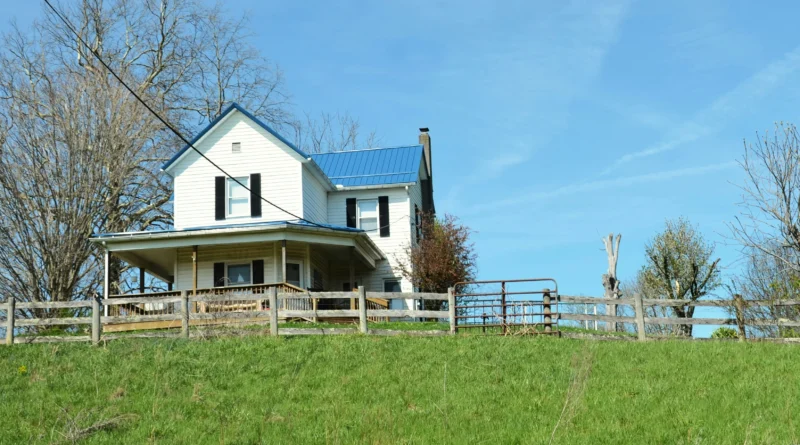
Old-style farmhouse plans often show sloped roofs. They have big front porches too. Large windows let in plenty of light. Natural stuff like wood or stone adds to the feel. Inside, rooms flow openly. You see bare beams overhead. Colors stay soft and plain. All this builds a warm but roomy space. It ties you to the outdoors in a real way. I recall seeing one in the countryside where the porch wrapped around like an old hug, making family gatherings feel just right.
Interior Design Elements
Inside these homes, the focus stays on places you can really live in. Picture walls covered in shiplap. Floors made from reused wood add character. Sinks with that classic apron front fit well. Light fixtures pull from old times. The aim is to bring comfort, not some perfect setup. Many folks in the know say to blend old items with fresh ones. That keeps things from looking too planned out. For instance, a friend added an old barn door as a room divider. It cost little but made the space feel lived-in right away.
Modern Farmhouse Variations
The new take on farmhouse style brings straight edges. Black frames around windows add a touch. Simple decor keeps things tidy. Yet it holds onto that country heart. This mix pulls in people who like charm but not mess. It’s like updating a family recipe—still tastes the same but easier to make.
How Can You Build a Farmhouse Style Home on a Budget?
Building on a tight wallet doesn’t mean skimping on quality. It means picking smart from the get-go. You can get that farmhouse look with cheap supplies and good plans. Let’s break it down.
Choosing Cost-Effective Materials
Pick man-made wood over real logs for floors or beams. It works just as well for less money. Siding from vinyl that looks like board-and-batten cuts outside costs a lot. Look for reused stuff close by. That brings real feel without high tags. In my experience from a small build, grabbing old fence wood saved about 20% on materials. It weathered nicely too.
Simplifying the Floor Plan
Go for a boxy or L-form layout. It keeps building straightforward. Skip extra bends or tricky roof shapes. Those just hike up worker fees. Open setups match farmhouse ways. Plus, they cut down on walls and doors. Think of it as a simple puzzle—fewer pieces mean quicker assembly.
DIY Finishes and Local Labor
Take on easy jobs like brushing on paint or setting up shelves. Do it yourself if you can. Bring in builders from nearby. They know local stuff well. That drops hauling and work costs. One tip from pros: start with a weekend paint day. It bonds the team and saves cash fast.
Why Does Location Matter When Building Farmhouse Style Homes?
Where you build affects price and ease more than you might think. Picking the spot is key, just like choosing what to build. It shapes everything from start to finish.
Land Availability and Cost
Out in the country or half-country spots, land comes cheaper. It suits farmhouse life well. Flat ground makes base work simple. You save big on digging compared to bumpy land. For example, a plot in rural Ohio ran about $50,000 for two acres last year—way under city prices.
Climate Considerations
In cold spots, good padding against the chill matters a ton. It stops heat from slipping away. In hot areas, wide overhangs and air flow keep things cool inside. Both fit old farmhouse smarts for real use. I’ve seen homes in Texas with those eaves blocking sun all day. Bills stayed low, around $100 a month in summer.
Access to Local Resources
Get wood or rock from close sources. It helps local shops. It also trims moving costs. Materials fit the area looks better. Plus, they hold up to weather there. This choice often cuts total spend by 15%, based on builder reports.
What Design Choices Make a Farmhouse Feel Authentic Yet Modern?
Mixing old memories with now needs takes center stage. It creates pull that sticks around in farmhouse style homes. Balance is everything here.
Neutral Color Palettes With Texture
White walls stay a big part of the look. But add rough touches like brick bits or cloth drapes. They bring layers without much extra spend. It’s subtle but effective. One home I visited used soft grays on walls with wood trim. Felt fresh, not stark.
Functional Kitchen Design
The kitchen acts as the home’s core in a farmhouse. Use open racks over top cupboards. It saves bucks and keeps air moving. A big middle counter works for cooking and chats. In busy families, this setup shines—everyone gathers without crowding.
Energy-Efficient Features
New farmhouses gain from windows that save power. LED bulbs light up cheap. Smart controls for heat cut bills over time. All this fits the look without harm. Take solar-ready roofs; they add value, maybe 10% more resale per real estate stats.
How Can You Maximize Space Efficiency in Smaller Farmhouse Homes?
Even small homes can seem big with smart thinking. Size doesn’t limit feel if you plan right. Here’s how to stretch every inch.
Open Concept Layouts
Knock out extra walls. This lets eyes travel between spots. It spreads light from nature too. That’s a key farmhouse trait. Rooms blend, making the place airy. I remember a 1,200-square-foot home where the living area flowed to the dining. Felt twice as large.
Built-In Storage Solutions
Hide spots under steps or seats by the door. Built cupboards near windows mix looks with use. It skips buying extra furniture. Practical and pretty. For a touch, add hooks on walls for coats—simple but solves clutter quick.
Multi-Purpose Rooms
Make a spare room do double duty. Let it be an office or hobby spot too. This adds bend without growing the build. Great for tight funds. Many young families use this now, turning one space into work and play zones seamlessly.
What Are Common Mistakes to Avoid When Building Affordable Farmhouses?
Even pros slip on bits that bump costs up. Watch for these pitfalls. They can sneak in easy.
Over-Customization
Fancy carved wood or stuff from far away jacks prices fast. Stick to regular sizes for doors and panes. It keeps things in check. Standard fits most needs without extras. Builders say this alone saves 10-15% on trim work.
Ignoring Maintenance Costs
Some country materials need constant care. Raw wood sides are one. Pick easy-care swaps like cement boards that look like wood. They last longer. Less worry down the road. A neighbor skipped this and spent weekends sanding—lesson learned.
Poor Lighting Planning
Farmhouses lean on sun light a lot. But bad setup for night lights leaves rooms dull. Use layers: main glow, work beams, and side highlights. It keeps places useful around the clock. Plan it early; retrofits cost double later.
FAQ
Q1: What Is the Average Cost per Square Foot for a Farmhouse Style Home?
A: Prices change by area. They usually sit between $150–$250 per square foot. This depends on details and spot (source: HomeAdvisor 2023). Keep in mind, simple builds hit the low end more often.
Q2: Are Prefabricated Farmhouse Kits Worth Considering?
A: Sure, prefab kits cut work time by up to 30%. They hold the design well if you pick trusted makers (source: Forbes Home 2024). I’ve heard stories of quick setups in weeks, not months.
Q3: How Long Does It Take To Build an Affordable Farmhouse?
A: Most jobs run from six months to a year. Factors like rain, papers, and worker schedules play in (source: National Association of Home Builders). Delays happen, but planning ahead smooths it.
Q4: Can You Mix Metal Roofing With Traditional Wood Exteriors?
A: Yes, metal tops boost strength against storms. They pair nice with old-style sides. It’s common in new farmhouses now (source: Architectural Digest 2022). Looks sharp and holds up for decades.
Q5: What’s the Best Way To Add Character Without Overspending?
A: Bring in saved doors or old lamps. These bits give true feel for little cash. Beats big changes every time (source: Better Homes & Gardens). Hunt thrift shops; treasures hide there cheap.