
Modern vs Classic Cottage Style Homes Which One Wins
Cottage style homes have always grabbed the attention of people who want a cozy spot full of warmth and old-time charm. But now, with fresh takes on building, there’s a newer kind of cottage. It’s smoother, brighter, and more airy inside. The talk about modern versus classic cottage style homes goes beyond just looks. It touches on how you live, ways to save the planet, and that deep feeling of being at home. This piece looks closely at both kinds to help you pick the one that matches your idea of a perfect getaway spot.
What Defines a Classic Cottage Style Home?
Classic cottage style homes come from old ways. They pull ideas from the English countryside. Think snug rooms, sharp-angled roofs, and sweet touches like flower boxes on windows and wooden shutters. Before we get into the main parts, remember this approach puts real skill ahead of passing fads. You will see rough-cut wooden beams, stone hearths from nature, and old-looking finishes. All these give the place a well-used vibe.
Architectural Elements That Shape the Look
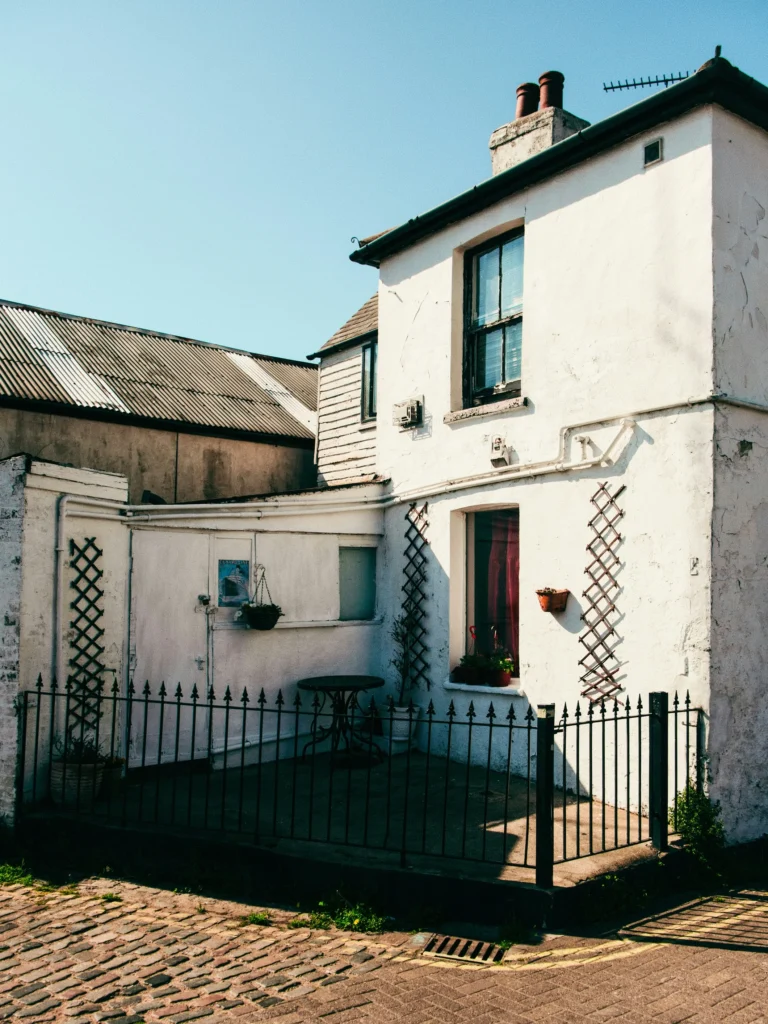
Classic cottages usually have sloped roofs, little windows that poke out, and uneven room setups. These make the house feel like something from a fairy tale. Bricks, wooden panels, or rough plaster add realness. The tiny size of the rooms builds a close feel. And that’s a key part of home building from the early 1900s.
Interior Design Characteristics
Step inside a old-style cottage home, and you spot gentle colors. Creams, soft greens, and pale blues work well. They mix with flower prints or checkered cloths. The chairs and tables lean simple and tough. Picture old oak dining spots or soft-covered couches. The point is ease, not spotless shine.
Emotional Appeal and Lifestyle Fit
Old cottages bring back fond memories. They fit folks who like taking things slow. Imagine sipping coffee near the fire in the morning. Or tending to a yard full of wild blooms. Their appeal comes from quirks, not even lines. Every one has its own spark; none match exactly.
How Does a Modern Cottage Style Differ?
Newer cottage style homes rework those old bits for today’s ways. They keep the friendly feel but add straight edges and big open areas. This fits what people need now. They hold onto the heart of the past cottage. Yet they cut out the extra stuff for plain ease.
Minimalist Architecture With Natural Warmth
Today’s cottages pick metal tops and huge glass walls over tiny window frames. The rooms inside focus on plenty of daylight. Spaces connect smoothly, not split up. Basic shades like white or soft gray take the lead. But they get a gentle touch from real-feel items. Linen fabrics or recycled wood do the trick.
Blending Technology With Comfort
Smart setups slide right into these new cottages. Things like lights that save power or warm floors from below. These changes help the earth. And they don’t take away the snug side. For example, in a place like this, you could control the heat with your phone while curled up on a soft rug.
Adaptability for Contemporary Living
This fresh take works on small city patches or quiet country spots. Kitchens flow into living zones for chats and meals. That’s different from the shut-off rooms in older spots. It makes family time easier, like cooking dinner while kids play nearby.
Which Aesthetic Offers Better Longevity?
Lasting strength isn’t only about the stuff used. It also means staying fresh over years. Old cottages have lasted ages. New ones try to plan ahead with room to change. But honestly, some classic homes I’ve heard about from builders still stand strong after 100 years, which is pretty impressive.
Material Durability and Maintenance
Old stuff like cedar roof bits needs care. But it gets better with age, like a fine wine. New choices, such as fake wood siding from fiber, copy that style. They take less work. That’s handy for folks with full schedules. Say, a family in a busy suburb might pick that to avoid weekend fixes.
Market Value Over Time
Info from Zillow in 2023 points out something clear. Homes with old-style charm hold their worth in set neighborhoods. It’s because of their special vibe. On the flip side, fresh builds with power-saving parts often sell for more to young folks. They like the low bills. In one case, a modern cottage in a growing area jumped 15% in value over two years.
Design Adaptability to Future Trends
New cottages shift with ease. Their open setups let you tweak as life changes. Like adding a home office when work goes remote. Old designs might be tough to adjust in structure. But they always draw buyers who love that timeless pull.
How Do Sustainability Goals Influence Both Styles?
Being kind to the earth now guides most building choices. From better wall stuff to picking local supplies. Both kinds of cottages can go green if planned right. It’s not hard, and it pays off in the long run.
Energy Efficiency Practices
New cottages often add roofs set for sun power and thick glass that keeps heat in. Old ones can match that with updates. You add warm layers behind the walls. And it keeps the look the same. For instance, a classic home in Vermont got these fixes and cut energy use by 30%.
Use of Reclaimed or Local Materials
Wood floors from old barns or bricks saved from teardowns fit both looks great. They match the real feel. Plus, they help the planet by cutting new cuts. Builders say using local stone can save on transport costs too.
Landscape Integration
Gardens around cottages help nature. Plants from the area draw bees and birds. They need less water than neat grass yards in city spots. One gardener shared how her cottage plot became a butterfly haven with zero extra effort.
Which Style Enhances Emotional Well-Being More?
How a home looks and feels hits your mood hard. The rough touch of wood overhead or light through soft curtains stirs the senses. It’s more than just pretty sights. And sometimes, a little mess in the decor even adds to that homey chaos we all need.
The Comfort Psychology of Classic Cottages
A study in the Journal of Environmental Psychology from 2022 shows key facts. People in rooms with real natural bits feel more at rest. That’s compared to spots full of fake stuff. So, old interiors with wood and stone win here. They wrap you in calm, like a hug from grandma’s quilt.
Serenity Through Simplicity in Modern Cottages
On the other hand, keeping things bare cuts down on mind clutter. Clean rooms bring peace, per work from Cornell University’s design team in 2021. These new cottages nail that idea with grace. No fuss, just quiet spots to breathe.
Connection Between Space and Lifestyle Choices
In the end, it boils down to your daily rhythm. If you love set routines and building memories, the old style shines. But if you do best in clear, bendy spaces, the new one might lift your spirits more. Think about a quiet evening read—does clutter help or hinder?
Are There Regional Preferences Between Modern And Classic Cottages?
Where you live shapes tastes a lot. Weather and old ways play big roles in North America and Europe. It’s fascinating how a snowy spot calls for one style over another.
Northern European Influence on Traditional Forms
In chill places like Scandinavia or New England, old shapes stick around. Steep roofs shake off snow fast. Thick walls hold warmth well. This shows smarts in old building. Folks there swear by it during harsh winters.
Coastal Adaptations Favoring Modern Designs
By the sea in spots like coastal California or Australia’s Byron Bay, new cottages rule. Wide porches and big glass let in ocean sights. They fight damp with strong fake woods. It’s practical for salty air, and the views? Unbeatable for morning coffee.
Urban vs Rural Preferences
City dwellers pick tight new setups for small lands. Country types go for spread-out old designs. These blend into wild lands where yards can grow big. In the countryside, I’ve seen gardens that stretch for acres, full of life.
FAQ
Q1: What Is the Main Difference Between Modern and Classic Cottage Style Homes?
A: Old cottages stress past ways with fancy bits and tight sizes. New ones make shapes plain with open rooms. They keep warmth via feel, not extras.
Q2: Can You Combine Both Styles Successfully?
A: Sure. Lots of builders mix rough wood with simple seats now. This creates a “transitional cottage.” It joins old pull with fresh ease without a hitch.
Q3: Which Type Is More Cost-Effective To Build?
A: New cottages often run cheaper per space foot. That’s from basic builds. But top touches can eat up the gain. Fixing up old ones might cost more. It needs special hands for the work.
Q4: Are Cottage Style Homes Suitable For Urban Areas?
A: Yes, for sure. New twists fit slim city spots with tall setups. They still bring country ease inside via real stuff like wood and stone.
Q5: How Can You Make Either Style More Sustainable?
A: Aim for better wall warmth, sun power on roofs, paints with low bad smells, and old wood reused. Do this no matter your look choice. It keeps things green and smart.