
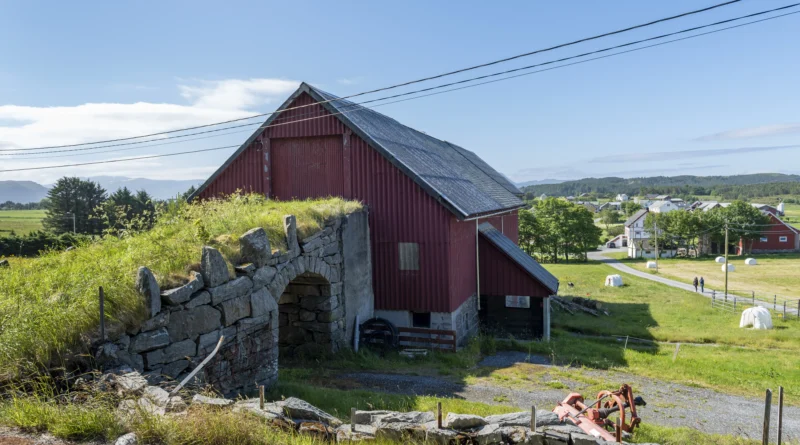
What Are The Advantages Of A Barn Style House
A barn style house mixes old farm charm with today’s easy living. It creates a home that feels wide open, cozy, and close to the land around it. These houses draw from old barns. They draw many owners who like big rooms inside and homes that save energy. The draw comes from looks and real use. High roofs, rooms that change easily, and green building parts make these homes pretty and useful. I remember visiting one in the countryside; the way light poured in made everything feel alive and fresh, like stepping into a storybook farm but with all the comforts of now.
Why Are Barn Style Houses Becoming So Popular?
Barn style houses show up more in country spots and near cities. Their rise comes from old-style looks mixed with new ways to live. The building style keeps things simple. Yet it lets people change things to fit how they live today. For example, in my neighbor’s new build, they turned part of it into a play area for kids that doubles as a reading nook—super practical.
Architectural Flexibility
A barn style house usually has an open floor plan. It has few walls inside. This lets you shape rooms to match what you need. It could be a work spot, a tool area, or a place for art. Big open areas come from post-and-beam or timber-frame building ways. These ways skip the need for walls that hold up the roof. So, this freedom draws people who want spaces that grow with them. They avoid big changes later on. Think about it: if your family expands, you just shift things around without tearing down walls.
Timeless Aesthetic Appeal
The look of a barn style house joins rough outside parts with smooth inside ones. You see bare beams, real wood touches, and metal bits. They make a style that lasts through years. It mixes farm warmth with factory-smart feel. Many builders say this mix works well in quiet fields or city borders. That’s where new farm house styles catch on. One time, I saw a barn home in a suburb; it stood out but blended right in, drawing compliments from everyone passing by.
Connection With Nature
Big windows and doors that slide mark barn style homes. They bring in lots of daylight. They also let you see outside from every spot. This tie to the outdoors boosts how things look. It helps your mind feel calm too. The open feel brings peace to everyday spots. In hot summers, those views of trees swaying can make a tough day better, almost like having a park inside.
How Does the Design Enhance Energy Efficiency?
Saving energy stands as a top real plus for a barn style house. Simple build shapes and real stuff help cut down on power use. This works best when the plan is done right. Owners often share stories of surprise at how little their bills drop—sometimes by 20% or more in the first year.
Insulation Efficiency
Thick wood frames in many barn homes hold heat well. They keep inside temps steady all year. Add new stuff like foam spray or hard boards for extra help. Then, these homes beat regular wood-frame ones at keeping warmth in. It’s like wrapping your house in a thick blanket that doesn’t let cold sneak through.
Natural Ventilation and Lighting
Tall roofs and smart window spots make good air flow. This cuts the need for cool air machines in hot times. Plus, plenty of daylight means less use of lamps in the day. Bills for power go down. Rooms feel bright and roomy too. Picture waking up to sun streaming across the floor—no flicking switches needed.
Sustainable Building Materials
Lots of barn houses use old wood or stuff from nearby. This cuts harm to the earth. It adds one-of-a-kind style to each home. Builders pick metal roofs for long life and fit with sun power. That’s a smart pick for years of green living. In fact, some areas offer tax breaks for using local timber, making it even more appealing for budget-minded folks.
What Makes Barn Style Houses Structurally Durable?
Strength over time draws folks to barn style houses. These homes stand up to years and bad weather. They use tough frames and good work by hand. I’ve heard from builders that these structures often outlast storms that knock out weaker builds nearby.
Timber Frame Strength
Old barns used heavy wood frames. They last hundreds of years with care. New versions keep that power. They use planned wood beams. These fight bending and sinking better than normal wood. So, the home stays solid as families live in it for generations.
Weather Resistance Features
Steep sloped roofs on barns let snow and water run off fast. This stops wet spots that hurt roof parts over time. Metal side covers guard against rot, bugs, and fire too. That’s great for places with all kinds of weather. During a heavy rain last year, a friend’s barn house shed water like it was nothing, while others dealt with leaks.
Low Maintenance Requirements
Many barn houses pick strong finishes. Think wavy steel or sealed tough woods. They need less fixing than painted sides on normal homes. Owners just seal now and then. They skip big paint jobs or new sides every few years. This saves time and cash in the long run.
How Do Barn Style Houses Support Modern Living Needs?
Barn houses start from old ways. But they fit right into how we live now. They handle smart tools and rooms that do many jobs. From what I’ve seen, they make daily life smoother without losing that cozy farm vibe.
Open-Concept Interiors
The wide layout links kitchen, eating spot, and sitting area without breaks. It’s ideal for having friends over or family meals. This big space makes a welcoming feel. People move and talk easy, not boxed in by walls. Hosting a barbecue inside during rain? No problem—everything flows together.
Adaptable Spaces
Few inside dividers mean easy changes as life shifts. You can make a high spot into a work room. Or turn part of the main area into a visitor bed without big work. It keeps things fresh as kids grow or jobs change. One family I know switched their setup twice in five years, and it was a breeze.
Integration With Technology
New barn homes add smart lights, air controls, and safety watches. These fit the old look with easy now-life perks. The simple style stays while tech helps out. Lights dim with a voice command, or doors lock from your phone—rustic meets handy.
Are Barn Style Houses Cost-Effective To Build And Maintain?
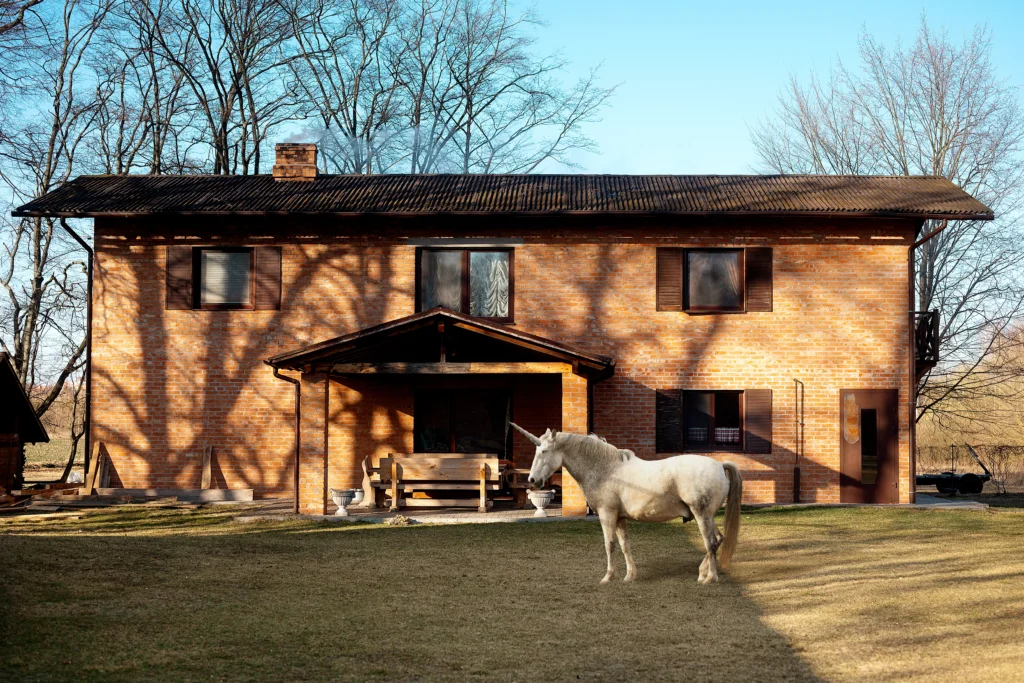
Money matters a lot when picking a home. Barn style houses give good value over time. They use quick build steps and low fix-up costs. Many owners say the upfront spend pays off quick through savings.
Simplified Construction Process
Post-and-beam ways let parts build away from the site first. Then they put them together fast. This cuts worker time versus normal framing that needs more on-site effort. So, pay for hands drops. A basic 2,000-square-foot barn might wrap up in half the time of a standard house, per builder chats.
Long-Term Savings On Energy And Repairs
Good heat-holding plus tough outside parts mean lower heat costs. Fix-ups happen less over many years. Folks say power bills run lower than in same-size regular homes. Add in rare repairs, and the wallet stays happy. Over 10 years, some save thousands, based on real owner reports.
Resale Value Potential
More people want special builds that care for the earth. Barn houses sell well in markets for green buyers who like homes with personality. Values hold strong. If you sell in a hot area, you might even gain more than with plain designs. It’s like investing in a piece of art that also keeps you warm.
What Lifestyle Benefits Come With Living In A Barn Style House?
Besides build perks, a barn house brings feel-good parts from its wide and real air. It offers joy from open spaces and true touches. Daily life feels richer, almost therapeutic in its simplicity.
Spacious Comfort And Airiness
High curved roofs add up-and-down room. This boosts air move and makes spots feel huge. Normal home plans can’t match it. Even small barns seem bigger. Light spreads free over clear areas. On a quiet morning, that extra height makes breathing easier, like the room expands with you.
Harmony Between Work And Leisure
For home workers or hobby makers, barns give plenty of spot for shops or art areas. They don’t cut family comfort. Work blends into fun times smooth. Set up a desk by the window, and suddenly your office has a view that inspires. It’s a win for busy lives.
Emotional Warmth And Character
Bare wood beams touch with real craft feel. You don’t see that much in new homes full of fake stuff. Each beam holds a bit of past. Each small flaw adds fun charm. Homeowners love this over same-old looks. It creates a nest that feels personal, like it’s always been yours. Sometimes, just running your hand along a beam reminds you of simpler times, even in a busy world.
FAQ
Q1: What Is the Average Cost To Build a Barn Style House?
A: Costs vary widely based on size and location but typically range between $150–$300 per square foot according to 2023 data from HomeAdvisor (source: HomeAdvisor). Keep in mind, adding custom touches like extra windows can nudge it higher, but it’s worth it for the views.
Q2: Are Barn Houses Suitable For Urban Areas?
A: Yes. Many urban developers adapt compact versions known as “modern barns” using similar aesthetics but scaled-down footprints suitable for city lots. They pop up in backyards turned into cozy retreats, fitting right into tight spaces.
Q3: Can You Add a Basement To a Barn Style House?
A: Absolutely — most designs allow basements if soil conditions permit; it’s common when additional storage or mechanical space is needed. Digging one under a barn frame adds that extra hideaway for tools or a game room.
Q4: Do Barn Homes Require Special Permits?
A: Regulations differ by region; some rural zones classify them as agricultural buildings initially but residential conversions require standard housing permits under local codes (consult local authorities). Always check with your town hall first to avoid surprises.
Q5: How Long Does It Take To Build One?
A: Prefabricated kits may take 6–9 months including site preparation; fully custom builds could extend beyond one year depending on complexity and seasonal factors (source: National Association of Home Builders 2022). Weather delays, like winter snow, can stretch it, but planning ahead helps.