
Barn Style House vs Farmhouse Which Is Better
Picking between a barn style house and a farmhouse goes beyond just the appearance. It ties into how you live, your money situation, and the type of room you need. Both kinds come from country building ways. Yet they have grown into fresh ideas for homes. These ideas draw in people who want old-time feel mixed with today’s ease. This piece looks at the differences, good points, and real-world sides of each. That way, you can pick which one matches your wants best.
What Defines a Barn Style House?
Barn style houses have gained a lot of fans lately. They offer big open plans and striking insides. These homes mix the old feel of farm barns with new stuff and smart looks. Before we compare them, let’s check out what makes these places special.
Architectural Design and Structure
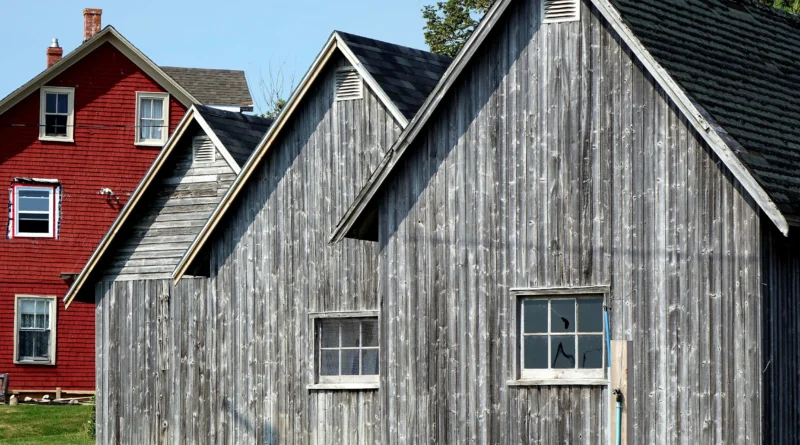
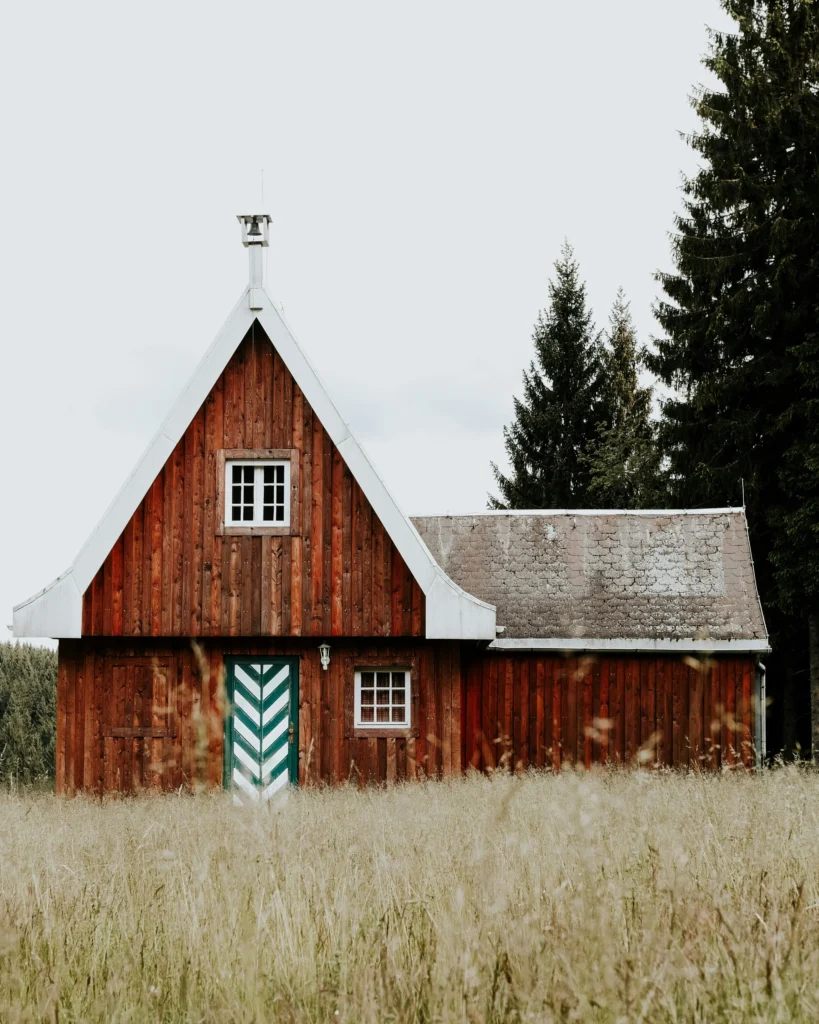
A barn style house often has a high pointed roof, shown beams, and lots of open room. The build usually picks metal or reused wood covers. This gives it strength and a cozy touch. New takes might add big glass sheets or sliding doors. These link inside spots to outside sights. They keep the light and breezy barn vibe. At the same time, they add warmth and protection from the cold.
Interior Layout and Functionality
Inside, these spots focus on being wide open. You see high ceilings, few walls, and rooms that can change use. The setup lets in plenty of daylight through tall windows or small high ones. Lots of folks pick this because it bends to fit needs. It works as a family spot or a place for parties. And it does so without big changes to the build.
Materials and Sustainability
Barn style houses like to use old wood or wavy metal sheets from taken-apart farm buildings. This way of reusing cuts down harm to the earth. It also adds real old charm. Today’s builders add smart power-saving tools. Things like floor heat from below or sun power sheets fit right in. They keep the rough look while helping the planet.
How Does a Farmhouse Differ From a Barn Style House?
Both come from country starts, but farmhouses have their own clear style. They feel more old-school in shape. Still, they work well for today’s life. The gaps show in size, small touches, and main goals.
Traditional Form and Symmetry
A farmhouse tends to use a box-like ground plan. Windows sit even on both sides. Roofs slope gently. Porches show up a lot in the plan. Sometimes they go around more than one side. This gives shade and a spot to chat with folks. The even shape makes farmhouses look steady. It’s not like the tall show of barn style homes.
Interior Comfort and Warmth
Farmhouses push for a snug feel more than big size. You get clear rooms like sitting areas or eating spots. These beat out huge open halls. Wood floors, wall panels, and light color schemes fill the insides. Even with new updates, the farmhouse keeps its close-knit sense. I recall a friend who redid her old farmhouse kitchen. She added soft lights and kept the wood tones. It felt warm without being too small.
Connection to Land and Lifestyle
In the past, farmhouses sat near work fields or plant areas. This showed a life of making your own food. Now, designs still nod to that tie. They add outside cooking spots or veggie gardens to the yard setup. People who like growing plants or yard jobs often love this match. For example, in my neck of the woods, many farmhouses have side yards with raised beds. It makes daily chores feel part of home life.
Which Offers Better Space Utilization?
Room use stands as a key part in picking a house. How each type deals with inside area changes everyday routines. It affects things like parties or keeping stuff stored.
Open Floor Concept in Barn Homes
Barn style houses shine at making smooth spaces. These feel bigger than the real size. A main room might join the cooking area, eating spot, and rest zone under a high roof. For groups that have friends over often, or like moving chairs around, this works great. Think of a family barbecue where everyone flows from kitchen to yard without tight spots.
Functional Zoning in Farmhouses
Farmhouses split tasks more. Cooking stays in the kitchen. Resting happens in the living room. Sleep goes upstairs or down paths. This setup lacks big visual punch. But it gives private spots. Barn plans sometimes miss that without extra walls. In one case I heard about, a couple chose a farmhouse for their kids’ play area. It kept noise away from the main sleep zones.
Adaptability Over Time
Barn homes change easy for new needs. You can add half-floors or turn attics into rooms. Their simple build means less work to switch things. Farmhouses might call for bigger fixes as life shifts. Walls lock in most areas, so changes take more effort. Over years, this can add up in time and cost.
Which Style Is More Cost-Effective?
Price relies on stuff used, where you build, workers around, and how much you tweak it. But some basic patterns hold for these two kinds.
Construction Costs
Barn style houses can save money if you use ready-made frames or post-barn sets. They cut down build time a bunch. But adding fancy touches like special metal work bumps up the bill fast. Say you’re in a rural spot with cheap land. A basic barn kit might run about $150 per square foot. That’s often less than a full custom farmhouse start.
Maintenance Considerations
Farmhouses need more outside care as a rule. Painted wood sides or pretty edges fade quicker than metal covers on barns. Yet barns’ wide roof parts could ask for expert fixes to keep heat in over time. I’ve seen old barns with rust spots if not checked yearly. Regular paint jobs on farmhouses keep them looking fresh, but they add to yearly chores.
Energy Efficiency Factors
Both can do well on power use if you insulate right. Barns win with fewer inside walls. Heat spreads even across the space. Farmhouses hold warmth better in small closed rooms during cold times. In colder states like Minnesota, folks add extra layers to barn roofs. It helps bills stay low, around 20% savings on heating.
Which Style Suits Modern Living Better?
How it fits your daily ways often sets if you’ll like it for years. More than just how it looks.
Integration With Technology
New barn homes take in smart gadgets with no fuss. Open paths behind shown beams or pipe looks fit the rough modern trend. Farmhouses add tech too. But they hide it behind old-style covers for a neat view. For instance, wiring for lights in a barn can run along beams. It looks part of the design, not added on.
Urban vs Rural Placement
Barn style houses suit big lots best. There, the height and spread show off. It’s great for country spots or edge-of-town areas. Farmhouses slide into tight yards easier. Their sizes match what folks know in regular neighborhoods. In a suburb like mine, farmhouses blend with cookie-cutter homes. Barns might stick out too much on small land.
Personal Expression Through Design Choices
A barn home shows a brave side. It says something about fresh ideas and wide welcomes. A farmhouse gives a solid feel from old ways. Picking one often mirrors your own style as much as real needs. Sometimes, people mix bits from both. Like adding a barn loft to a farmhouse base for that extra flair.
What Are Long-Term Value Considerations?
Looking past first comfort, sell chance and strong build count big in house picks. It’s like investing in a home that lasts.
Market Appeal Trends
In late years, house sales info points to rising like for barn changes. Their special look mixes old warmth with big loft rooms (source: Zillow Housing Trends Report 2023). Farmhouses stay top picks for buyers wanting lasting front looks. No rough parts needed. Data shows farmhouses sell 15% faster in family areas. Barns draw folks who want one-of-a-kind spots.
Durability Over Decades
Barns with metal roofs handle bad weather better than shingle ones on farmhouses. This holds if built solid. But old farmhouses from thick woods last longer than new light builds when cared for. Craft work beats quick trends any day. Take a 100-year-old farmhouse I visited. Its oak frames stood strong after storms that dented newer barns nearby.
Resale Flexibility
Barn homes pop out in looks, so they pull in special buyers. But they might sit longer on the market than common farmhouse shapes. Those draw in more folks from all over. In hot markets, a unique barn could fetch 10-20% more. Yet in slow times, the safe farmhouse sells steady.
FAQ
Q1: Are barn style houses cheaper than farmhouses?
A: Usually yes if you go with ready parts. But special touches can eat up the savings based on what you pick.
Q2: Do barn style houses require special permits?
A: In certain places, yes. Their odd build ways call for it. Check town rules before you start work.
Q3: Which design offers better insulation options?
A: Both do fine with good add-ons. How well it works comes down to how you put it in, not the base shape.
Q4: Can a farmhouse incorporate modern minimalist interiors?
A: Sure thing. Designers mix straight lines with old bits like board walls. It gives a nice fresh-old mix.
Q5: Which holds resale value better long term?
A: Farmhouses keep steady want from buyers thanks to their known shape. Barn homes shift with style waves. But they pull high prices from those after something rare.