
What Is Facade Lighting And Why Is It Important
Facade lighting stands out as a key part of today’s building designs. It goes beyond just lighting up the outside of a structure. Instead, it shapes how people see the building. It builds a sense of identity. And it boosts safety too. In busy city areas, buildings often fight for notice. Good lighting can turn a plain front into something memorable. This piece looks at the practical side, the beauty aspect, and the green side of facade lighting. It shows how this affects builders and everyday folks in towns.
What Does Facade Lighting Mean?
Facade lighting means putting lights in smart spots on a building’s outer walls. The goal is to point out key design parts and make a strong visual effect. People use it in shops, offices, and homes. It highlights shapes, surfaces, and even patterns. In lots of towns, this kind of lighting fits into a bigger plan. That plan mixes famous spots with nearby roads and paths.
Architectural Expression Through Light
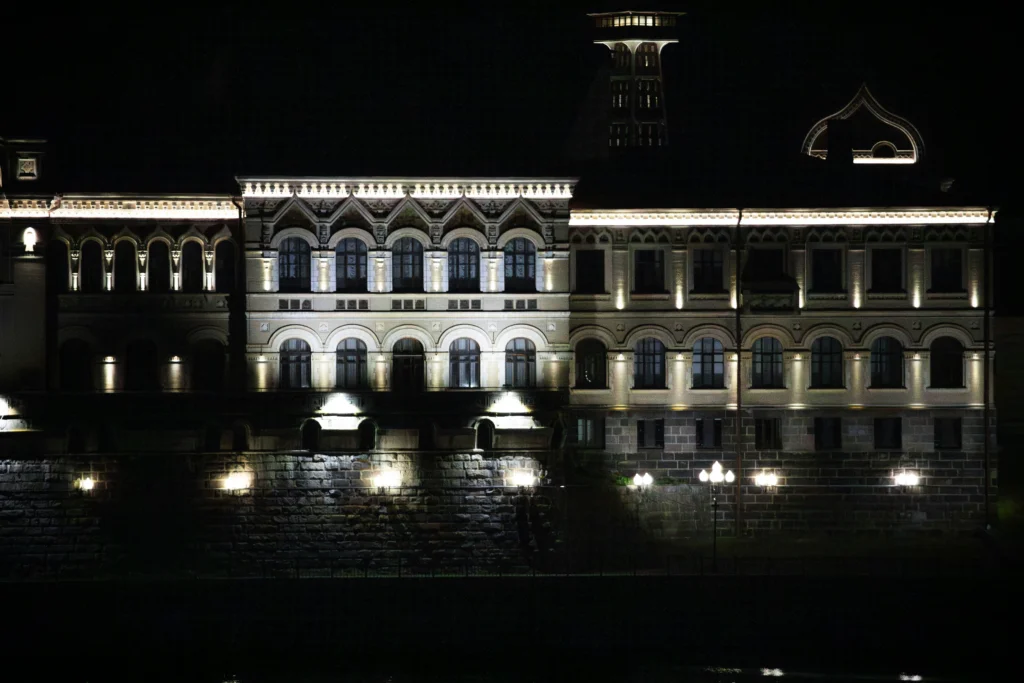
After the sun goes down, lights help builders share their ideas. Methods like grazing, washing, or spotlighting show off details in materials. Think of carved stones or shiny glass. A smart setup can bring to life the flow of pillars. Or it can show the depth of hidden spots that you can’t see in daylight. For example, in older European cities, such lights make ancient walls feel alive at night, drawing crowds who snap photos.
Functional Role in Urban Safety
Aesthetics aren’t the only benefit. Lighting the front also aids security. It cuts down on shadowy areas near structures. This helps walkers see better. Plus, it scares off break-ins or unwanted visitors. Now, with low-energy LEDs, running lights all night costs less power. I recall a study from a big city park—after adding these lights, reports of trouble dropped by 25 percent in just one year.
Enhancement of Brand Identity
Hotels, store groups, or office towers use this to boost their image. The shade of light or moving patterns can match company colors. Or they tie into holiday events. So, the building becomes a big ad sign that folks spot from blocks away. Take a famous hotel chain; their blue glow at night reminds everyone of their logo, even in rainy weather.
Why Is Facade Lighting Important for Modern Architecture?
Light touches people’s feelings about spaces they use. A front that shines gently after dark sparks interest and ease. But one with bright, sharp beams might seem cold or too strong. Builders see light as a basic building block. It’s right up there with windows or metal frames. In fact, some pros say ignoring night views is like half-finishing a job.
Visual Impact on City Skylines
When lights work together in neighborhoods, they build a united look for the sky at night. Picture riverfront spots with matching glows. They outline shapes against the dark. Warm shades on old sites pair well with cool tones on new high-rises. This mix keeps things balanced between past and present. One waterfront project in Asia synced lights across 10 buildings, turning the area into a tourist hotspot that pulls in millions yearly.
Emotional Connection With Viewers
Light shapes moods and what sticks in minds. Folks remember spots with unique evening looks. Like quiet museums with soft beams or town halls that shine warmly. This link builds stronger ties to places. It also draws more visitors. Honestly, who doesn’t love a well-lit bridge that feels magical on a walk home?
Integration With Environmental Goals
New front lighting often adds sensors and smart switches. These tweak the brightness based on outside light or how many people are around. So, it cuts waste while keeping the look steady as the night goes on. Projects like this save real money—think 30 to 40 percent less on bills over a season.
How Does Facade Lighting Contribute to Sustainability?
Green ideas now drive talks on building fronts, including light plans. Power use worried people before. But new tech has fixed that issue. It’s made things better in simple ways.
Use of LED Technology
LEDs lead in front projects these days. They last a long time. And they use little electricity unlike old bulbs like halogen or metal-halide. You can also fine-tune colors and strength with computer setups. In one office retrofit, switching to LEDs dropped energy needs by half, and the lights still looked crisp after five years.
Adaptive Control Systems
Smart boxes let lights change on their own. They fade after late hours. Or they adjust for bad weather like mist or showers. This saves power. It also makes parts last longer by skipping extra run times. For instance, a stadium facade uses these to dim during empty nights, cutting costs without losing the wow factor for game days.
Material Efficiency and Maintenance Reduction
Modular parts that swap easily lower upkeep bills a lot over years. Some setups even use sun-powered lights where wires won’t work. This shrinks the harm to the air. Coastal buildings benefit most, as these hold up against salt air better than basic ones.
What Are the Main Techniques Used in Facade Lighting?
Light experts pick different ways based on the building’s shape and what look they want. Each way plays with stuff like cement, glass, bricks, or metal covers in its own style. Sometimes, a mix works best for tricky spots.
Grazing Light for Texture Emphasis
Grazing puts lights near the wall. Shadows then highlight rough feels like bumpy rocks or marked cement slabs. It’s great for old fronts where skilled work shines. An old church in a small town used this, and locals say it makes the stone carvings pop like daytime, but softer.
Wall Washing for Uniform Brightness
Wall washing spreads light evenly over big flat areas. It uses broad lights placed just right away from the surface. This fits sleek modern fronts with smooth glass walls. In high-rises, it avoids dark patches that could hide issues.
Accent Lighting for Feature Highlighting
Accent lights zero in on special bits—like posts, edges, or signs. They draw eyes where needed. Not everything gets the same flood. A museum entrance with accents on the door sculpture guides visitors right in, making the whole front feel welcoming.
How Do Designers Balance Aesthetics and Functionality?
The trick is to get beauty without hurting how things work. Like controlling harsh light or keeping the build strong when adding parts. It’s a juggle, but worth it for the end result.
Coordination Between Disciplines
Good front lighting needs teamwork from the start. Architects, wire experts, yard planners, and town rules folks must chat early. This stops mix-ups between light spots and design lines. In a recent mall project, this team-up saved weeks of fixes by planning mounts around pipes.
Compliance With Local Regulations
Towns often set rules on how bright lights can be. Or when they turn off to avoid bothering homes or animals. Pros weigh bold ideas against community needs. One city fined a bright display once, so now everyone checks codes first—smart move.
Longevity Through Quality Components
Pick cases that fight rust and wires that handle weather. This keeps things running in tough spots—from wet shores to sandy wastes. It cuts down on swap costs later. Durable picks mean fewer headaches, especially in places with wild storms.
How Is Technology Changing Facade Lighting Design?
Computer tools have flipped how experts plan outside lights. From programs that guess light spread to web-linked watchers that check power use live. It’s exciting stuff, though it took time to catch on.
Dynamic Color-Changing Systems
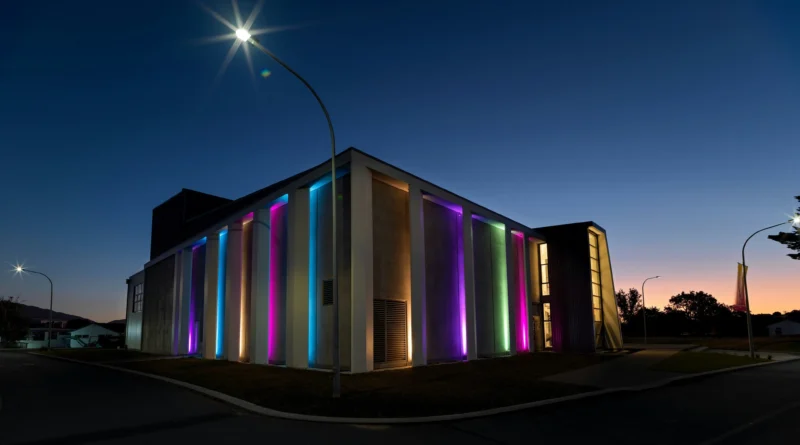
RGBW lights shift through full color ranges. You control them from phones or main computers far away. Famous towers light up for big days like holidays or events. Whole city views sync up. During a festival in a major spot, one tower’s colors danced with music, wowing thousands below.
Integration With Building Management Systems (BMS)
New builds link light webs straight to BMS setups. Managers watch light stats with air or heat info in one spot. This smooths daily tasks. A hotel chain rolled this out across sites, and upkeep calls fell by 20 percent right away.
Data-Driven Maintenance Planning
Sensors in lights spot problems early. They alert before breaks show. So, fixes happen on schedule, not in a rush. This saves cash long-term. Think of it as a doctor’s checkup for your building’s glow—catches issues before they dim the vibe.
FAQ
Q1: What distinguishes facade lighting from general outdoor lighting?
A: Facade lighting zeros in on boosting building features. It differs from lights for open areas like roads or lots. Its aim mixes show and use.
Q2: Can facade lighting be retrofitted onto existing buildings?
A: Yes. Many LED setups fit small spaces for updates. No big changes to the structure needed. Magnetic holds and no-wire controls make it easy for old fronts.
Q3: How does facade lighting affect nearby residents?
A: Bad designs bring glare or light spills into houses. But aimed lenses and covers cut that when done right. In quiet suburbs, pros test angles first to keep peace.
Q4: Are there international standards governing facade illumination levels?
A: Groups like CIE offer tips on light balances and green checks. Local rules change by place, though.
Q5: What trends will shape future facade lighting design?
A: Look for more AI switches that tweak shades by daily patterns. Plus, a push for parts you can reuse to help green cycles. Solar ties might grow too, especially in sunny spots.