
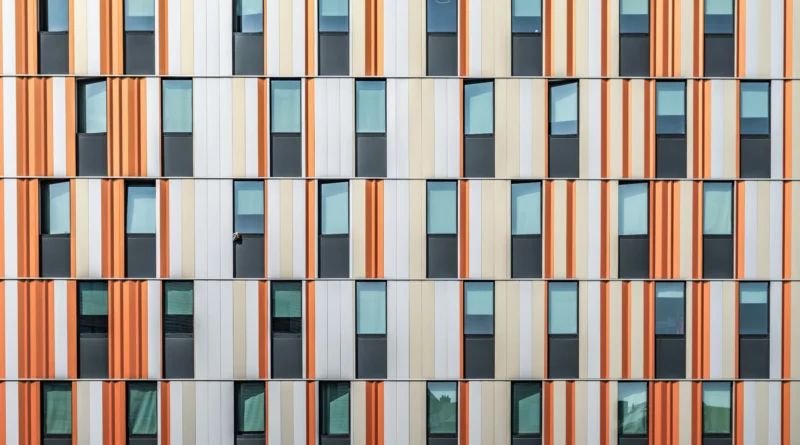
What Are Facade Panels And How Are They Used
Facade panels now stand out in today’s building designs. They mix practical use with room for creative looks. These panels shield structures from outside weather. At the same time, they help shape how buildings appear. The next parts look closely at kinds, stuff used, ways to apply them, and how well they work. I recall seeing these on a tall office block downtown, where they really changed the whole street view.
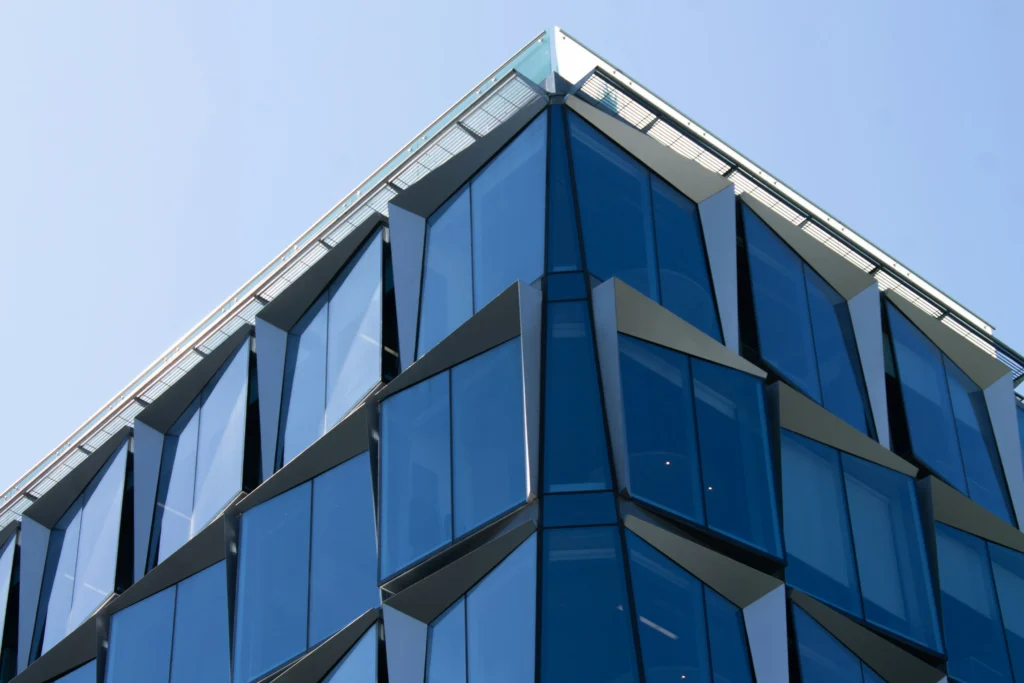
What Are Facade Panels?
Facade panels act as outside covering pieces fixed to a building’s main frame. They handle both good looks and safety needs. They block bad weather. Plus, they let builders play around with styles. You spot them a lot on business spots, tall living towers, and public buildings. There, toughness and style go hand in hand.
Definition and Core Function
A facade panel usually comes as a ready-made part meant to wrap the outside of a structure. It sits between the inside space and outside stuff like wind, rain, sun, and changing heat. In new building work, they often add warmth-keeping layers. This boosts how well the place saves energy. For example, in a rainy city like Seattle, these help keep water out without much hassle.
Materials Used in Facade Panels
Popular stuff includes aluminum composite panels (ACP), fiber cement boards, high-pressure laminates (HPL), glass-reinforced concrete (GRC), terracotta tiles, and natural stone veneers. Each one brings its own strength points. Aluminum gives light weight and solid build. Fiber cement fights fire well. Terracotta adds a real, earthy feel. Sometimes, setups mix a couple of these to match costs and how they hold up. Take a school project I heard about; they picked fiber cement for its fire safety near a busy road.
Structural Role and Integration
Facade panels do more than just look nice. They help keep the building steady if hooked up right. Setups like curtain walls or ventilated facades need exact fitting to stay straight under weight changes. Hooks—from hidden clips to seen brackets—must handle heat swelling. And they keep air sealed tight. In windy spots, like Chicago high-rises, this setup prevents wobbles during storms.
How Do Facade Panels Contribute to Building Performance?
Aside from style, facade panels help manage outside factors. These affect how comfy people feel inside. They also help the building last longer. Think about a hot summer day; good panels cut down on that indoor bake.
Thermal Regulation
New facade setups add warmth layers that cut heat moving from outside to inside. Ventilated facades, for one, make an air space behind the panels. This lets air flow to push out extra heat in warm months. It traps some warmth in cold times. Such natural help lowers the work for heating and cooling systems. Over years, this saves a good deal on bills. A study from a few years back showed drops in energy use by about 20% in mild weather areas.
Acoustic Insulation
In busy city spots with lots of noise, facade panels quiet down outside sounds. This makes inside spaces calmer. Setups with many layers, using things like mineral wool or foam insides, work great for work buildings near loud roads or flight paths. For instance, an office near the airport used these to drop traffic roar by half, based on worker feedback.
Weather Resistance
Top-notch panel covers fight sun rays, rust, and water creep. Sealed edges stop water from getting in. That avoids mold or weak spots in the build. Cleaning the surfaces now and then, plus checking seals, makes them last way longer. In salty sea air, like near the coast, folks check them twice a year to keep things solid.
Why Are Different Types of Facade Systems Used?
People pick facade systems based on what the design wants, local weather, money limits, and upkeep needs. It’s not one size fits all. A builder in dry Arizona might go different from one in wet England.
Ventilated Facades
These have an air gap between the outside cover and the warmth layer. The space lets air move by natural pull. It clears out wetness and built-up heat. You see them often in power-saving builds in places like Europe. Case looks from facade experts in 2022 say they can trim cooling bills by around 30%. That’s real money saved for owners.
Curtain Wall Systems
Curtain walls use mostly glass held by aluminum frames. These attach outside the main beams or floors. They let in light while keeping weather out with rubber seals and even-pressure areas. Their open, light feel fits well in company main buildings and travel hubs. I think of the glass walls at a big airport; they make the place feel welcoming yet safe.
Modular Prefabricated Panels
Making panels ahead off-site includes warmth, steam blocks, and outer layers. All done in a shop under steady watch. This cuts setup time at the job by close to 40%, per a 2021 report from the Construction Industry Institute. It ups quality too, since parts get checked before they ship out. In a tight deadline project, this sped things up without cutting corners.
How Do Aesthetic Considerations Influence Panel Selection?
Builders pick facade panels for safety, sure. But they also use them to show off design ideas. It’s like painting a picture with building parts. Sometimes, a bold color choice ties into the city’s vibe.
Surface Texture and Finish Options
Panels offer choices like dull covers, shiny metal looks, rock feels, or printed patterns that look like wood. These affect how light plays on them from morning to night. That’s key for spots that want changing views as the sun moves. A museum I visited had textured panels that shifted with the light, drawing eyes all day.
Color Stability Over Time
Color tech has gotten better. Coatings like PVDF keep shades steady even after long sun hits. This matters for big facades. Fading would mess up the even look if parts go up at different times. In sunny spots like Florida, this holds true for decades.
Integration With Lighting Design
Some facades add LED lights in the seams or behind see-through stuff like polycarbonate sheets. This turns building sides into bright spots at dark without adding much weight or daytime block. Night views become part of the appeal, like in festival-lit downtowns.
What Are the Sustainability Benefits of Modern Facade Panels?
Green goals push new ideas in facade work. Cities want zero-waste aims by the 2050s. Panels fit right in, helping cut harm to the planet step by step.
Energy Efficiency Contributions
These facades cut heat leaks and keep warmth even. So, they lower daily power needs a lot. Work from the Building Research Establishment (BRE) points to yearly saves of 15 to 25% in power, based on weather areas. Switching from old brick walls to these insulated ones makes a big difference, especially in mixed climates like the Midwest.
Recyclable Materials and Low Embodied Carbon
Aluminum composite panels recycle almost all at the end if split from plastic middles right. Makers now use over 60% reused stuff in some lines. This drops the carbon from digging new materials. It’s a win for the earth, and costs less over time too.
Longevity Reducing Replacement Cycles
Strong covers make them last over 30 years with little fix-up. That’s better than painted concrete that needs touch-ups every five years or so, from 2020 data in the European Coatings Journal. Fewer swaps mean less waste in dumps.
How Is Installation Managed To Maintain Safety And Quality?
How well you put up facade panels sets how they work for years. It’s all about careful steps to avoid slip-ups. Rushed jobs lead to headaches later.
Site Preparation And Framing Alignment
Before starting to attach, workers check the base with laser tools. They make sure bends stay under plus or minus 3 mm over three-meter stretches. That’s a must in rules like EN 1090 for metal work in Europe. Straight frames mean smooth fits.
Fixing Methods And Joint Treatments
Metal hooks handle steady weight and wind pushes, figured by local rules like ASCE 7-16 in the US or Eurocode EN 1991-1-4 other places. Seal stuff between edges needs tests to match nearby materials. This stops rot or color shifts after rain. In high-wind zones, extra strong holds keep everything secure.
Inspection And Maintenance Protocols
Yearly checks look at hook tightness. Cleaning fits the dirt level nearby. Near the sea, do it more often because salt speeds up rust if you wait over six months, as per CIBSE TM65 guide from 2022. Spotting small issues early saves big fixes down the line.
FAQ
Q1: What distinguishes ventilated facades from traditional cladding?
A: Ventilated facades have an air space behind the outer panels. This boosts air flow and cuts wetness build-up. Traditional solid walls hold in dampness. That raises breakdown chances as time goes on. It’s a simple tweak with big payoffs in damp areas.
Q2: Are facade panels suitable for retrofitting old buildings?
A: Yes. Many light setups attach to old frames without big strength adds. They boost looks and power savings at once. This works great for changing old storage spots into work or home spaces. I’ve seen it turn a dusty warehouse into a fresh office hub.
Q3: How long do aluminum composite panels typically last?
A: With good care, they go beyond 30 years. Rust-proof covers guard the metal inside, even in tough weather. But clean them regularly to stop dirt marks from sky junk settling over time. In clean air spots, they shine longer.
Q4: Can facade panel colors be customized?
A: Yes, for sure. Makers give wide choices from RAL colors, including shiny or pearl types. This lets builders match company styles just right across projects. It keeps a steady look in city views. Fun fact: some firms pick colors to blend with nature nearby.
Q5: What safety certifications should quality facade products meet?
A: Good ones follow rules like ASTM E84 for fire spread, UL94 for burn rating, and CE marks for Europe fit. These cover fire reaction and strength holds. They’re key for public buys around the world. Skipping them risks big problems in checks.