
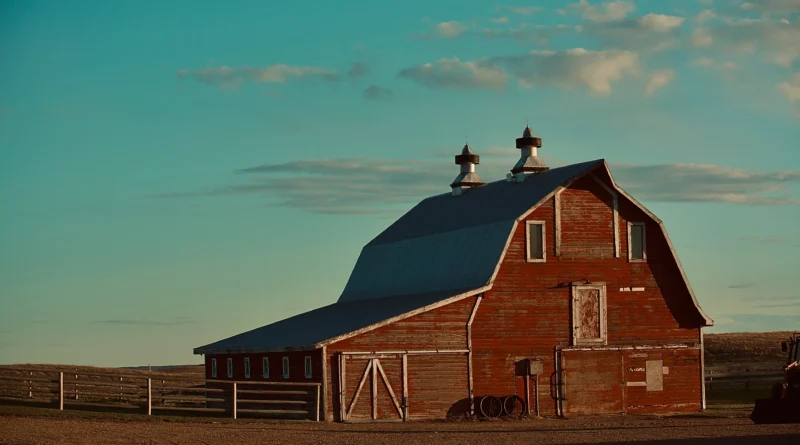
Is A Barn Style House Right For You
A barn style house mixes old-time country appeal with up-to-date usefulness. It provides a fresh way to build that catches the eye of many home owners and builders alike. This style pulls ideas from old farm barns. Yet it changes them to fit home living with better comfort and less energy waste. If you think about making one new or turning an old building into a home, take time to learn what sets it apart. See if it matches how you live day to day.
What Defines a Barn Style House?
Barn style houses stand out right away. They have high, wide-open insides and wood-framed builds. You often see sharp-sloped roofs, bare wooden beams, and big windows. These let in plenty of daylight. Before you jump into build plans or buy land, get to know the key parts that make this home type special. Also, learn how it sets itself apart from other country-like designs.
Architectural Characteristics
The main sign of a barn style house is its roomy setup. The open floor plan lets you use space in many ways. Living rooms, eating areas, and kitchens blend together without walls in the way. This keeps sight lines clear and open. It gives a feeling of height you don’t get in usual houses. On the outside, you find straight-up siding, broad sliding doors like those on real barns, and tough metal roofs. Lots of new takes on this style add back used wood or metal touches. They mix old looks with a bit of factory-style edge.
Structural Materials
Old barn homes used thick wood framing. This way joins big wood beams with cut-and-fit links, not nails. Now, builds mix wood frames with metal supports for more strength and safety from fire. Ways to add warmth inside have improved too. Spray foam or strong insulated boards, called SIPs, work well. They keep energy use low without hiding the country feel. For example, in a place like rural Texas, folks use these to handle hot summers without high bills.
Interior Layouts
Inside a barn style house, ceilings arch up to 30 feet tall. They often show off bare roof supports or beams as main points to look at. People like adding lofts over main rooms. These make snug spots for work areas or guest sleeps. At the same time, they keep the wide-open vibe. Home owners pick smooth concrete floors or thick wood planks. These boost the farm-house style and hold up to daily wear. Think of a family in the Midwest who added a loft for kids’ play— it keeps everything connected without feeling cramped.
Why Are Barn Style Houses Gaining Popularity?
The rise in interest for barn style houses goes beyond just fond memories. It shows bigger changes in how people pick designs and what they value in life. Folks now seek homes that feel real but can shift to fit today’s ways.
Aesthetic Appeal
The mix of rough country and clean modern draws in those who like skilled work and nature stuff. The raw wood patterns, metal parts, and tall ceilings make a cozy but breezy space. It feels solid yet fancy. Builders sometimes add simple Nordic touches. These stress plain looks over fancy add-ons. I recall seeing one in a magazine from Vermont— the plain wood walls made the whole place feel alive, not stiff.
Functionality and Flexibility
Barn houses handle family changes with ease. Their open setups let you move walls around or take them out. You don’t need big fixes to the main build, thanks to post-and-beam methods. This draws in workers who stay home. They need spots that shift for offices or art rooms. In fact, during the past few years, remote jobs have pushed more people toward these flexible homes, based on what I’ve read in builder reports.
Sustainability Factors
A lot of barn style homes focus on green ways to build. They use old saved wood and put solar panels on big roof areas. The basic shape makes it simple to add good insulation. This beats homes with lots of twisty roof parts. Builders point out less trash from the build site as a plus for the earth. For instance, a project in Colorado cut waste by 25% using local reclaimed beams, which saved money too.
How Does a Barn Style House Compare to Traditional Homes?
Putting a barn style house next to a standard city home shows its strong points and some downsides.
Space Utilization
Regular homes split rooms into small spots for quiet alone time. Barn houses focus on wide spaces and light flow. This setup boosts talks among people. But it may not fit if you like closed-off private areas. Picture a big family gathering— in a barn home, everyone sees each other easily, which builds closer ties.
Maintenance Requirements
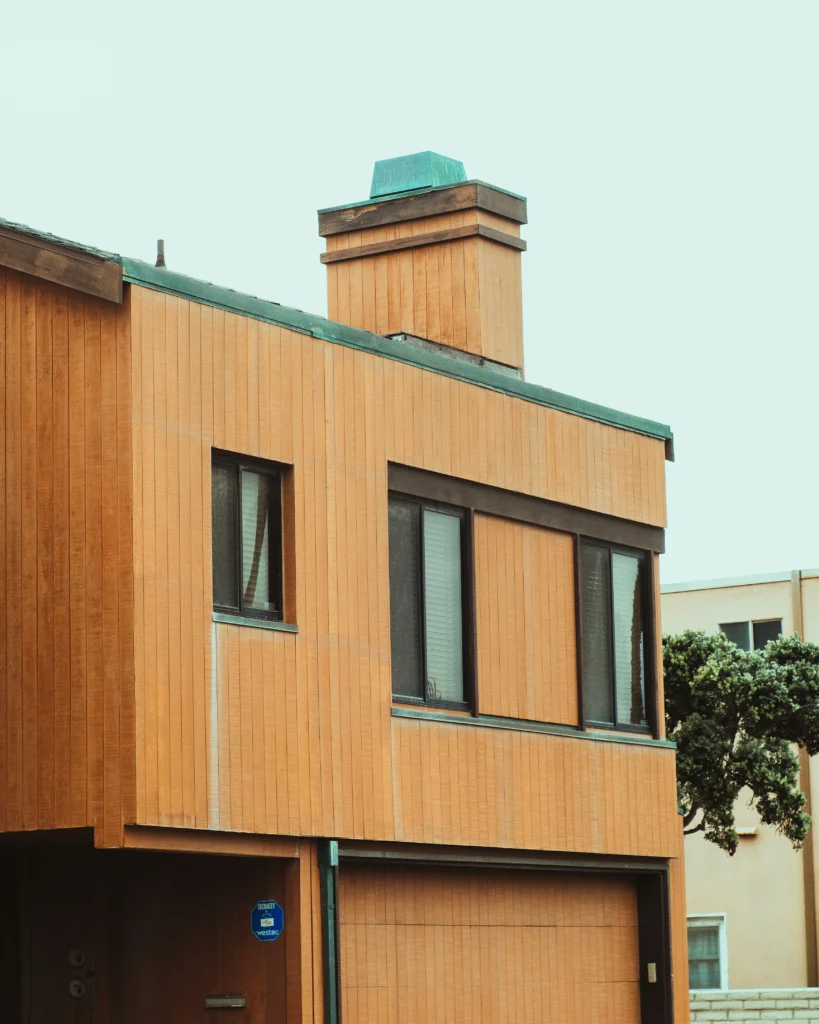
Wood outsides need checks now and then. You seal or paint them to fight weather, above all in wet areas. Metal roofs hold up better over time. Still, they can make rain sound loud unless you add good inside layers. Keep up with care, but it’s not too hard if you pick smart materials from the start. One tip from old-timers: check the siding every spring to catch issues early.
Cost Considerations
Build prices change based on stuff used and local worker costs. Ready-made barn kits cut costs a lot over custom full plans. But fancy touches like saved oak beams or special glass sides can raise the total fast. In 2023, average builds hit around $200 per square foot in the South, per some builder sites, but it varies by spot.
What Should You Consider Before Building One?
Before you decide to put up a barn style house, think about real-world items past just the looks.
Zoning Regulations
Area rules might limit roof heights or outside styles in home spots. Check these early in your plans. This stops expensive changes down the line. For example, in some suburbs, you can’t go over 25 feet without extra permits— it’s a hassle worth avoiding.
Climate Adaptability
In cold spots, how well it holds heat matters a lot. Big insides warm up slow and even. In hot places, shiny metal roofs cut down sun heat in summer. Adapt the build to your weather, and it pays off in comfort year-round.
Long-Term Resale Value
Demand for barn-style builds has climbed steady since 2015, per U.S. home trend info from the National Association of Home Builders. But when you sell, the spot and how well it’s finished count more than the style. A well-kept one in a growing area might fetch 10-15% more than standard homes, from what agents say.
Can Modern Technology Enhance Barn Living?
New tech makes life in a barn style house easier than before. It keeps the country heart intact.
Smart Home Systems
Auto lights help run big insides with less work. They keep the mood right with lights that dim, hidden in beams or roof parts.
Energy Efficiency Upgrades
Earth-heat systems fit open plans well. They spread warmth even through floor heat, not air blows that mess up sound in high rooms. This cuts bills and feels natural.
Acoustic Treatments
Tall ceilings can make sounds bounce a lot. Soft fixes like sound boards hidden as wall art help. You put them behind walls or under lofts for better quiet in everyday tasks. In a real home I heard about, this made movie nights way more fun without echoes ruining the sound.
Who Benefits Most from Owning One?
This design won’t work for all. But some ways of life match it just right.
Creative Professionals
Artists and makers like the huge walls for showing pieces or making studios. Big windows bring in day light that sparks ideas.
Families Seeking Communal Living
Moms and dads like seeing kids play across shared spots while they cook or have friends over. You can’t do that as well in homes with lots of walls.
Retirees Wanting Simplicity
Folks with grown kids gone seek easy-care spots. They enjoy one-floor barn setups that mix garage work areas with warm home parts under one roof. It’s practical for later years, with room for hobbies without stairs everywhere.
FAQ
Q1: What Is the Average Cost per Square Foot for a Barn Style House?
A: Costs typically range between $150–$250 per square foot depending on materials used and regional labor rates (source: HomeAdvisor 2023). That said, if you go for basic kits, you might shave off $50 here and there, especially in less pricey areas.
Q2: Are Barn Style Houses Energy Efficient?
A: Yes, when built using insulated panels or energy-rated windows; their compact shapes minimize heat loss compared with sprawling multi-winged homes. Plus, in practice, owners report lower utility bills by 20% on average after adding those panels.
Q3: Do Barn Homes Require Special Foundations?
A: Most use standard concrete slabs; however heavy timber frames may need reinforced footings due to concentrated load points at beam intersections. It’s like building a bridge— get it right at the base to avoid cracks later.
Q4: Can You Add a Second Story Later?
A: It’s possible if initial framing allows vertical expansion; consulting an engineer before construction ensures load-bearing capacity supports future additions safely. One family did this after five years and loved the extra space for grandkids.
Q5: Are There Prefabricated Options Available?
A: Numerous manufacturers now offer pre-engineered barndominium kits shipped nationwide that reduce onsite labor time by up to 40%, making them attractive for rural developments seeking faster completion timelines (source: BuildSteel Report 2022). These kits are a game-changer for busy folks who want to move in quick.