
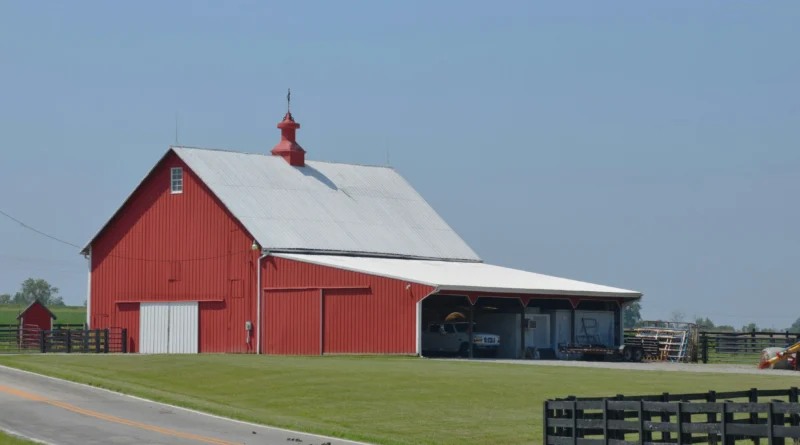
Are Barn Style Houses Energy Efficient
Barn style houses stand out as a popular pick in today’s building designs. They mix old-fashioned appeal with practical modern uses. The wide spaces inside, tall ceilings, and natural building stuff draw in folks from the country and city people who want a farm-like feel. Still, a common worry pops up: do these houses save energy well? It all comes down to how they’re planned, what materials go into them, how well they’re insulated, and how they fit the local weather. This piece looks at the main points that shape how energy-smart barn style houses can be. From my quick chats with builders, I’ve heard that in places like the Midwest, a simple tweak in window setup can cut heating bills by 20 percent—worth thinking about if you’re eyeing one.
What Makes a Barn Style House Unique?
Barn style houses catch the eye with their classic pointed roofs, visible wooden supports, and big open rooms. These parts make for roomy spots to live in. But they can create problems for keeping the temperature steady if the builders don’t plan them right.
Architectural Features and Layout
Barn style houses usually have big windows and high ceilings that let in plenty of daylight. Yet, these same parts might let heat slip away in cold weather or trap too much warmth in hot times without good insulation or ways to block the sun. Lots of new builds now add double-layered glass and insulated roof sections to keep things comfortable inside. For example, picture a family in Colorado who added those windows and saw their light bills drop noticeably during sunny winters.
Materials Used in Construction
Old barns got made from wood and metal. These hold up well over time but handle heat differently. Wood gives some built-in warmth protection on its own. Metal, though, passes heat along fast. Today’s builders mix in old wood with better insulators like spray foam or stiff panels to make things work better for energy saving.
Modern Adaptations for Comfort
New barn homes often use smart planning tricks like air flow across rooms, facing the sun right, and energy-saving air systems. These steps help control the inside temperature. They cut down on the need for machines to heat or cool the place. In windy spots, like parts of Texas, this natural air movement alone can make a big difference on mild days.
How Does Insulation Affect Energy Efficiency?
Insulation plays a huge role in deciding if a barn style house saves energy. Big open areas lose heat quick or pick up extra warmth fast without solid insulation.
Roof and Wall Insulation
The big roof on a barn home needs strong insulation to stop heat from moving through. Folks often use closed-cell spray foam. It fills cracks well and gives good warmth resistance per layer. In chilly areas, extra roof padding plus barriers against moisture stops water buildup from cold air meeting warm.
Floor Insulation Strategies
Lifted floors or solid concrete bases can lose energy if not fixed up right. Putting stiff foam sheets under the concrete or by the base walls cuts down on heat going into the ground. This also makes the floors feel nicer in winter. I’ve read stories from homeowners in Minnesota who added this and noticed their feet stayed warmer without cranking up the heat.
Window Efficiency Improvements
Big windows define barn homes. But they hurt energy use if they’re just one layer or leak air. Switching to low-emissivity (Low-E) glass cuts down on heat rays passing through. It keeps the light coming in, which fits the open look and saves power. Not all windows need to be huge; sometimes smaller ones in key spots work just as well for light without the chill.
Can Renewable Energy Systems Enhance Performance?
Clean power tools make it simple for owners to balance out their energy use. They do this while keeping the house’s look intact. It’s interesting how these fit right into rural setups, almost like they were meant to be there.
Solar Power Integration
Lots of barn style houses have wide roofs that suit solar panels perfectly. These roofs often point toward the sun for most of the day. That boosts the power from the panels. Even a bit of solar can trim electric bills a lot in the long run. Take a farm in Iowa— they put up panels and now cover half their needs on clear days.
Geothermal Heating and Cooling
Geothermal setups pull steady ground heat to manage inside air. The upfront cost runs higher. But over years, the savings add up big. This works great for spread-out country homes where there’s room to dig. In places with steady soil temps, like the Northeast, it pays off faster than you might guess.
Wind Energy Potential
In wide-open farm lands where barns sit, small wind machines can add extra power. Pair them with solar setups for a mix that keeps things running off the grid all year. It’s not for every spot, but in breezy areas like the Plains, they spin reliably and cut cords to the main lines.
How Do Design Choices Influence Energy Consumption?
Each choice in planning—from how the house faces to what it’s built from—shapes daily energy needs. Builders know this well from trial and error over projects.
Orientation Toward Sunlight
Place a barn home so its long side faces south. This catches more winter sun. It cuts summer heat too. Add overhangs or plant covers to fine-tune the light and warmth. In sunnier states like Arizona, this simple turn can mean less air conditioning use by a good margin.
Ventilation Planning
Air flow from one side to the other keeps the air fresh and cool without fans. Put windows that open in smart places. They let breezes move through on warm days. This natural way beats machines for comfort in mild weather.
Smart Home Integration
Devices like auto temperature controls and shades that move on their own adjust the house to who’s inside and what’s outside. These small tech bits add up to real savings. They don’t change the house’s style much. One builder I heard about in Oregon used them to help a family save 15 percent on power without big changes.
Are Metal Barn Homes Less Efficient Than Wood Ones?
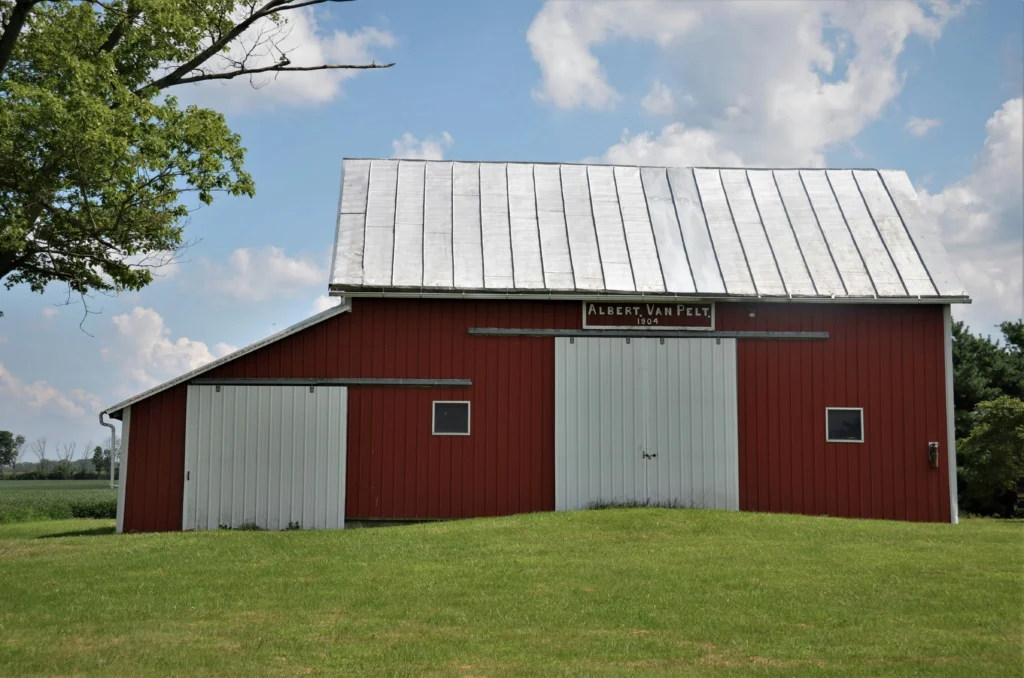
Talks about metal builds versus wood ones go on among those who care about green building and how well they work.
Thermal Conductivity Differences
Metal lets heat travel easier than wood does. So, metal needs more padding to match wood’s warmth hold. Shiny barriers inside metal sides block heat glow well if set up right. It’s a trade-off, but with care, metal can hold its own.
Durability Versus Comfort Trade-offs
Metal lasts longer against bugs or wet spots. Wood, on the other hand, quiets sounds better and stays steady with temps thanks to its natural ways. Both have spots, but wood feels cozier in daily life for many.
Hybrid Construction Approaches
Builders sometimes mix steel frames with wood-filled insulated panels. This gives tough build without losing comfort. It’s a middle-ground fix that’s catching on in made-to-order jobs across North America. Projects like these show up more in custom spots now.
What Role Does Maintenance Play in Sustaining Efficiency?
The best plans fade if you skip upkeep. Checking things now and then keeps all parts working as they should through the seasons. Neglect it, and small issues grow—I’ve seen that in old farm tales.
Sealing Air Leaks
With time, spots around windows or doors can open up from house shifts or bad weather. Fix those seals to stop cold drafts. That keeps heating needs down. A quick yearly check can spot these early.
Cleaning Ventilation Systems
Dirt builds in air pipes over years. It slows the flow a lot. Clean them regular to keep systems running smooth. This also freshens the air inside. In dusty areas, do it twice a year for best results.
Monitoring Energy Usage Patterns
Smart counters let you watch how much power you use. They spot odd patterns quick. This helps fix waste before bills climb. Track it monthly, and you’ll learn your home’s habits—like how evenings spike use in winter homes.
FAQ
Q1: What Is the Average Energy Rating for a Barn Style House?
A: Ratings differ a lot based on insulation level and clean power add-ons; still, new ones often match regular houses when pros plan them well (source: U.S. Department of Energy 2023). In real builds, you might see scores around 80 out of 100 with good setup.
Q2: Can Older Barn Conversions Be Made More Efficient?
A: Yes, adding fresh insulation, two-layer windows, and new air systems lifts how they run. It keeps the old look too (source: National Trust Building Conservation Report 2022). One conversion in Vermont cut energy use by 30 percent with these steps.
Q3: Do Large Windows Always Reduce Efficiency?
A: Not always; Low-E layers or heat breaks cut the downsides well. They keep the open view barn homes love (source: American Window Alliance 2021). Balance size with tech, and they add more good than harm.
Q4: Is Metal Roofing Suitable for Cold Climates?
A: Yes, with good padding under the sheets, metal roofs handle snow fine. Their shine bounces heat back (source: Metal Roofing Association Technical Bulletin 2020). In Canada spots, they last decades without trouble.
Q5: How Long Does It Take for Solar Panels on a Barn Home To Pay Off?
A: It depends on sun hours and local help programs. Payback runs 6 to 10 years on average, looking at costs against savings (source: Solar Energy Industries Association 2023). With rebates, some see it in five years flat.