
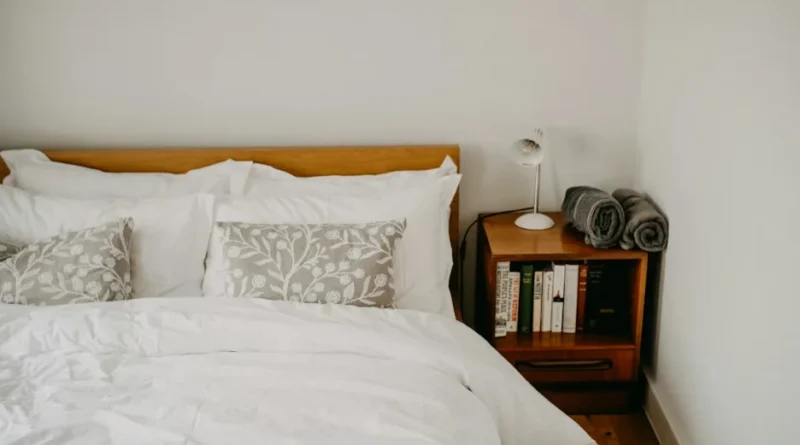
Elevating Hospitality: A Decorator’s Guide to the 5-Star Guest Experience
The 5-Star Guest Experience: A Decorator’s Checklist for “Hotel-Standard” Hospitality at Home
Setting up a guest bedroom that seems like a fancy five-star hotel room goes beyond just making it cozy. It involves building a full experience. When people stay over, they spot every little thing. This includes the smell of the bed sheets and how sunlight comes through the window covers. Smart guest bedroom decor can turn an ordinary extra room into a peaceful spot. It shows you care, have good taste, and put in real effort. This guide looks at ways to create that hotel-like welcome in your house. We will use a designer’s careful approach.
What Defines Hotel-Standard Hospitality?
Hotel-standard hospitality comes from a mix of senses working well together. It also relies on things that work smoothly. It’s not only about fancy fabrics. Instead, it’s how all parts fit to bring ease and joy. In top hotels, each object—from the light by the bed to the extra cushion—looks nice and does a job. At your place, pick items that appear polished. They should also help with rest and easy use.
A nicely planned guest area needs to guess what visitors want ahead of time. For example, hotels leave out more towels, phone chargers that fit anything, or dark curtains without you asking. You can copy this care in your own guest bedroom decor. Just focus on adding layers wisely. These include comfort, easy reach, and a nice feel in the air.
The Psychology of Comfort
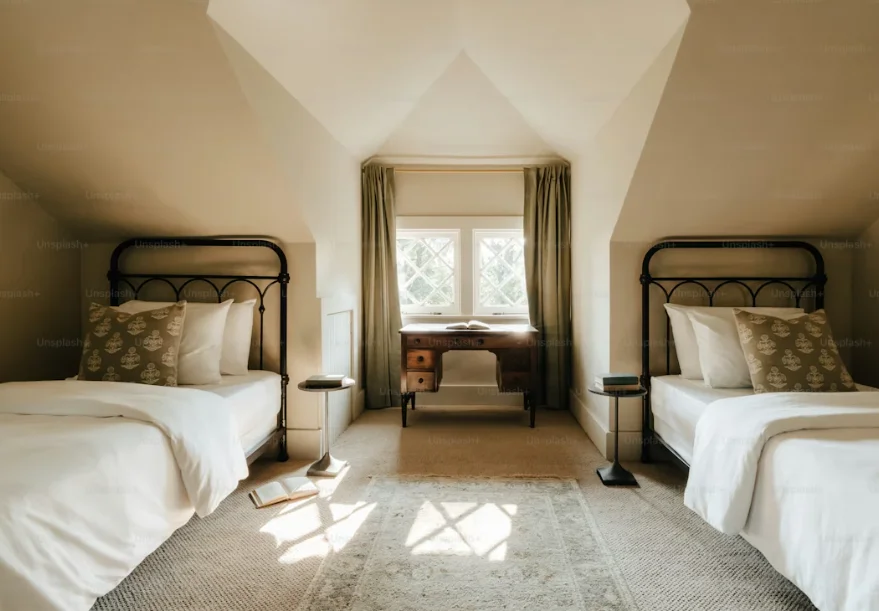
Visitors relax best when a room mixes things they know with fresh touches. If it’s too plain, it feels cold and not personal. If it’s too full of stuff, it seems pushy. Go for a quiet look to the eyes. Use soft colors like light browns or whites. Add different feels, such as rough cloth, smooth fabric, or wood patterns. This builds interest without mess. Lights matter a lot for how people feel inside. Gentle lights in layers give a soft shine, much like in hotel rooms. This helps guests calm down after a long trip. I remember once staying at a small inn where the warm light made the whole evening feel better, even after a tiring drive.
How Should You Design the Layout for Flow and Function?
The way you set up the room starts the whole mood before you add any pretty items. A guest space must be easy to move around in. This holds true even for someone seeing it for the first time. Put the bed in the main spot. Make sure there is plenty of room to walk beside it. Aim for at least 24 inches on both sides. This stops anyone from feeling squeezed.
Bed Placement and Visual Balance
Where you put the bed affects how it looks and how well people sleep. Put it right in the middle against a plain wall. This holds the room steady in view. It also gives guests a safe feeling at night. Do not set it straight under a window or right in front of a mirror. Many hotel design rules say these spots can bother sleep. In one project I heard about, moving the bed away from the drafty window helped guests sleep through the night without waking up cold.
Storage That Feels Generous
People staying just a few days still like places to put their things besides a simple bag holder. Offer shelves that are open or pulls that are empty of your own stuff. This way, they can settle in without worry. Add a stool at the bed’s end. It gives a spot to sit and a place for bags. Such a tiny step shows you thought about them. Think about how nice it is to unpack without everything spilling over— that’s the goal here.
What Are the Essentials for Five-Star Bedding?
The bed covers set the first feeling right away. Clean white sheets never go out of style. They point to spotless care and high-end style at once. Hotels pick cotton in a crisp weave or a shiny finish. They go for thread counts from 300 to 500. That’s not super high, but it feels just right on the skin. I’ve seen rooms where cheaper sheets made the whole stay feel off, so sticking to quality pays off.
Layering for Comfort
Begin with a soft pad on the mattress for extra give. Then add sheets that let air through. Next comes a fluffy blanket inside a nice case. Put a light cover at the bed’s bottom for when it’s chilly. Give two hard pillows and two soft ones. This fits different ways people like to sleep. Guests can choose what suits them best without asking.
Fragrance and Freshness
A light smell can lift bed covers from okay to something special. Spray a bit of mist with lavender or eucalyptus scent right before company comes. It brings a calm like at a spa. But keep it mild so no one with a sharp nose gets bothered. One time, a friend added too much, and it made the room stuffy—balance is key.
How Can Lighting Transform Guest Bedroom Decor?
Lights are a quiet kind of treat that changes the air in a flash. Don’t just use the main ceiling light. Instead, add several kinds. Have lamps by the bed for looking at books. Use wall lights for a cozy mood. You could even hide thin LED lines behind the bed frame or pictures.
Temperature Matters
Pick bulbs that give a warm white glow, around 2700K to 3000K. They look like soft candle flames in small hotels. This flatters faces and helps unwind more than bright, cold lights. In real life, I’ve noticed how a yellowish bulb makes a late-night chat feel warmer than stark white ones ever could.
Smart Convenience
If you can, add controls to make lights brighter or dimmer. Or use plugs that work with phones. Guests can change things from their spot by the bed or with an app. It’s a fresh way to show you planned for their ease. Not every home has this, but it makes a big difference for tech-savvy visitors.
How Do Accessories Elevate Guest Bedroom Decor Without Clutter?
Extra items mix your own style with holding back. Each one needs a reason. It could help with a task, like a timepiece. Or it could stir a good feeling, like a picture on the wall. Adding too many can make guests think they are stepping into your private world.
Art That Calms Rather Than Commands Attention
Choose simple drawings or photos of nature scenes. Skip family pictures. These set a mood without telling a story. Match colors in cloths and pictures to keep everything tied together. Sometimes, a plain print of a quiet beach can make the room feel miles away from daily rush.
Textures That Invite Touch
Bring in different feels with pillows in knobby cloth or rugs that are woven for the floor. These bits make people want to settle in as soon as they walk through the door. It’s like the room is saying, “Come on in and relax.” Details like that stick in memory.
How Do You Add Practical Luxuries That Impress Guests?
Being fancy does not always cost a lot. It means smart helps that look good when done right. Focus on things that make daily bits smoother for your visitors.
Tech Amenities Subtly Integrated
Put spots to charge phones close to each side of the bed. If there are not enough wall plugs, get a nice cord holder. Tuck it out of sight behind chairs or tables. This keeps flat areas clean and tidy. Guests hate hunting for outlets in a strange place, so this saves hassle.
Beverage Station Touches
Set up a little area with bottles of water and cups. Add a plug-in pot for hot drinks and some tea bags. It lets people get what they need on their own. No need to roam to your kitchen in the dark hours. I once stayed somewhere without this, and grabbing water meant tripping over unfamiliar floors—avoid that.
Personal Care Corner
Stack towels neatly on a shelf that’s easy to see. Add small soaps and lotions in pretty clay dishes. Skip cheap plastic holders. These small extras match what pros do in hotels. It feels like you went the extra mile without saying a word.
How Can You Maintain Cohesion Between Guest Room and Home Style?
The guest area should not seem cut off from the rest of your house. Make it feel like a softer part of the whole look. Use the same kinds of wood or metal touches. But keep patterns simpler than in your main rooms. This way, it stays calm but still matches.
Carry colors from the halls into the guest spot. It hints that everything connects. Let the room have its own flair with picked items. Try cushions with designs or handmade pots from nearby artists on open shelves. In my view, this blend keeps things flowing, like a quiet branch off the main path of your home design.
FAQ
Q1: What colors work best for creating a hotel-style guest bedroom?
A: Soft shades like light tan, cream, soft gray, or pale blue fit well. They bring peace. Plus, they let different fabrics stand out in guest bedroom decor plans.
Q2: How many pillows should be placed on a guest bed?
A: Four for sleeping and one for looks give a good mix. It works for use and style. This avoids crowding small beds.
Q3: Should every guest room have blackout curtains?
A: Yes. They offer privacy. They also let people manage light. This boosts rest, no matter where guests come from.
Q4: What small touches make guests feel most welcomed?
A: New blooms in plain holders, a short note with internet info, and spare cords for phones. These show real thought past just how things look. A quick welcome card can turn a good stay into a great one, based on what I’ve seen in busy homes.
Q5: How often should bedding be replaced in a frequently used guest room?
A: Swap sheets each year if folks use it often. Change fluffy covers every two years, based on how worn they get. This keeps things clean like in hotels. Regular checks help spot when it’s time, especially after holiday crowds.