
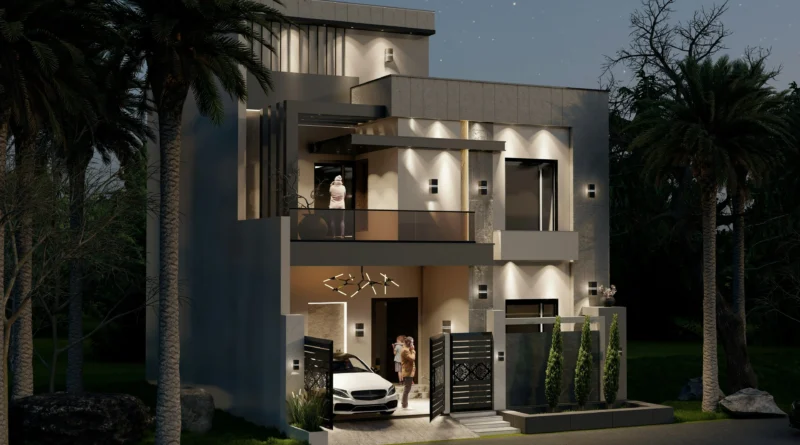
How to Plan a Functional House Design Step by Step
Creating a house that works well and fits your style goes beyond just placing rooms. It involves mixing imagination, careful planning, and smart choices. A solid house design mixes good looks with daily ease. You might be building fresh or updating an old spot. Each part—from spotting needs to picking finishes—matters a lot for a smooth end result. I recall a friend who skipped early planning and ended up with a kitchen far from the dining area. That made meals a hassle. Simple steps can avoid such issues.
What Are the First Steps in Planning a Functional House Design?
Before drawing lines or making plans, the base of your work comes from good prep. You start by figuring out your daily life. You also look at what matters most to you. Plus, the land’s features can shape the final look. Take a basic yard survey. It shows slopes or trees that might block views. This sets a strong start.
Defining Lifestyle and Needs
Any practical house design kicks off by knowing who stays there. You also see how they use each area. Say a family with kids wants big open spots for watching playtime. Or a pair who works remotely needs quiet office corners. Jot down routine tasks like making food, chilling out, or having guests. Then link them to room ideas. This clear view stops expensive fixes down the road. In one case I heard about, a couple listed needs first. They avoided cramming a home gym into a tiny bedroom later.
Evaluating Site Conditions
The land sets limits on your ideas. Things like sun paths, steady breezes, hills, and nearby buildings change choices for windows, warmth layers, and power savings. Pros like builders often check the spot closely. They find spots for best daylight. They also boost sights without losing quiet spots. For example, in a hilly area, you might place bedrooms on the lower side to dodge road noise.
Setting Budget Parameters
Handling money covers more than building bills. It takes in approvals, planning costs, setup items, and yard work. Setting cash aside at the beginning keeps main goals in sight. When you must pick and choose, it helps. You could spend extra on strong bones of the house. Then save on fancy outer layers if lasting build is key. Aim for about 10% buffer for surprises, like rising wood prices. That keeps things steady.
How Does Space Planning Influence Functionality?
After you set aims and limits, arranging areas turns thoughts into real shapes. Room setups shape easy movement and comfort. No fancy touch beats that for daily use. Think of it like traffic in a town. Bad paths cause jams; good ones let you glide.
Zoning for Efficiency
Zoning splits the home into open spots like the sitting room, personal zones like sleep areas, and work spots like cooking or washing rooms. You group like tasks close by. This cuts extra steps and boosts private feel. For instance, put washrooms near beds. It eases pipe work. It also keeps them away from guest zones. In a 1,500-square-foot home, this setup saved a family 20% on walking time between chores.
Circulation Flow
Good movement cuts down on extra paths. It makes shifts between areas simple. A smart hall or linked open space feels natural. Friends won’t puzzle over next steps. Builders use hints like floor patterns or taller ceilings to lead the way. I once visited a place where the entry flowed right into the kitchen. It made hosting dinner parties a breeze—no awkward turns.
Flexibility in Layout
Today’s life needs room to change. Sliding walls or rooms that do double duty let areas shift with time. You can make a spare room a work spot or kid zone. No big rebuild needed. This works great for growing families. One example: a den that becomes a nursery in year two, then a study later.
How Can Natural Light Shape Your House Design?
Daylight acts as a key builder tool. It sways feelings, power bills, and how big rooms seem. In dim winters, it lifts moods. In hot summers, it warms without extra heat. Balance is everything here.
Orientation for Daylight
Point main living spots south in cooler north areas. This grabs winter sun for cozy heat. Roof edges block summer blaze. Roof windows or high side ones pull light into deep corners. Side ones alone can’t always do that. A client I know added a skylight over the stairs. It turned a dark hall into a bright path.
Balancing Light and Shade
Too much sun brings harsh shine or extra warmth. Too few rays make rooms dull. Add slats, shade frames, or plants to soften the glow all day. You keep the cheer without downsides. For a west-facing window, sheer curtains cut glare by half while letting 70% light through.
Energy Efficiency Through Lighting Design
Mixing sun with man-made lights drops power needs a bunch. Bright LED bulbs with auto dimmers react to outside glow. This tweak boosts ease and trims bills over years. In tests, homes with this saved up to 30% on lights alone. It’s a win for wallet and planet.
What Role Do Materials Play in Functionality?
Picking stuff for build affects looks, care needs, and earth effects. Choose wrong, and you fix often. Choose right, and it lasts with little fuss. Wood swells in wet spots if not treated—real headache.
Durability and Maintenance
A working home picks stuff that fits the job. Use rock for busy floors. Pick water-proof coats for wash areas. Go for solid wood where feet tread often for a warm step. Choose items that wear well to skip constant fixes. In kitchens, quartz counters beat granite for stain resistance in family homes.
Sustainability Considerations
Green picks like fast-grow bamboo for floors or reused metal lower harm to air. They hold up strong and look nice. Getting from nearby spots also drops shipping waste. It helps local jobs too. Bamboo renews in five years, way faster than oak. That’s a smart swap for eco minds.
Texture and Comfort
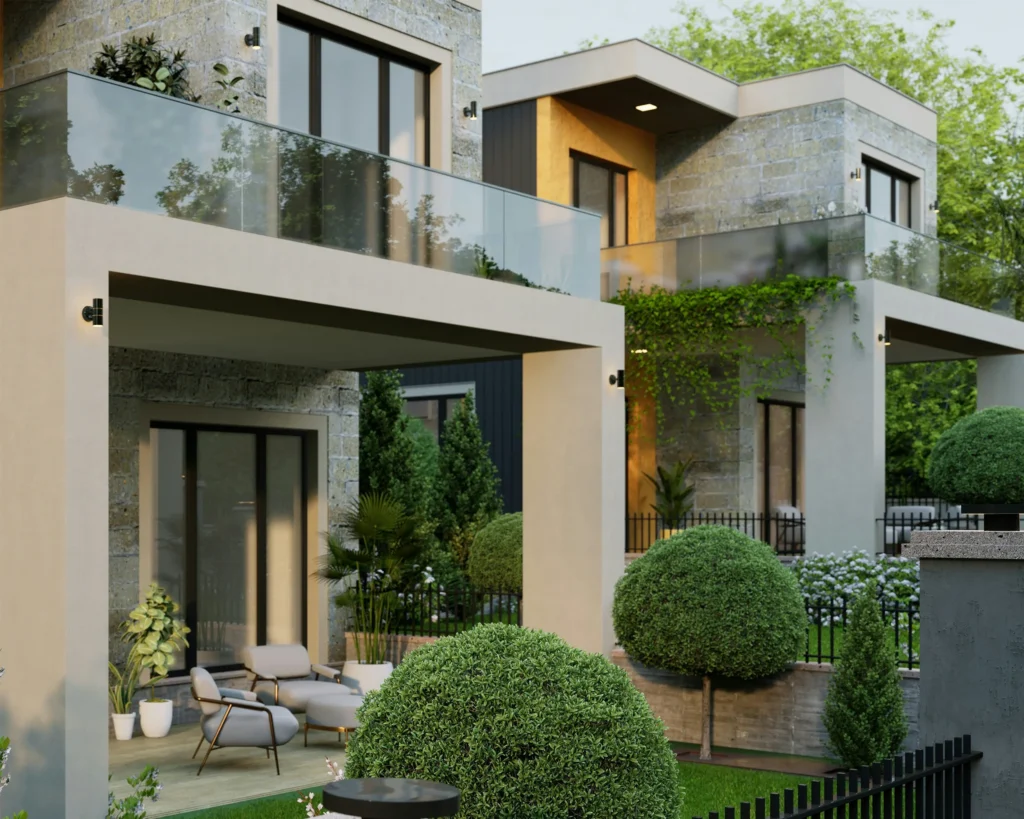
Feel of surfaces adds layers past just hue. Bumpy stone pairs well with flat walls. Gentle fabrics soften hard floors. These touches make rooms welcoming, not cold displays. Imagine wool rugs on tile—cozy feet in winter. It grounds the space nicely.
How Should Technology Be Integrated Into Modern House Design?
Gadgets add ease but need to fit into the build smoothly. They shouldn’t take over the look. Plan them in early, or wires show everywhere. That’s messy.
Smart Home Systems
Auto lights, heat controls, and safety setups run on your schedule. Lights fade when you leave. Shades move with sun shifts. Wire them in walls at the start for hidden neatness. A basic setup costs under $500 and pays back in saved time. My neighbor’s system locks doors via phone—peace of mind on trips.
Energy Management Tools
Clever heat gauges watch habits to set warmth right. Sun boards with power banks free you from line ups and downs. More folks pick this for steady bills. In sunny spots, panels cover 50% of needs. Pair with good insulation for full effect.
Connectivity Infrastructure
Steady web reach matters like water lines now. Place main boxes in the middle. Or add net spreads during build. Don’t add after walls close—it’s tough. Aim for full coverage in every room. Weak signals frustrate work calls these days.
How Do You Balance Aesthetics With Functionality?
Even pros wrestle with this mix. Pretty pulls to overdo. Real use calls for hold-back. Find middle ground. A flashy chandelier looks great but if it blocks paths, it’s no good.
Proportion and Scale
Right sizes bring calm in any style. From plain boxes to fancy homes. Big chairs in tiny spots clog up. Small items placed smart make tight areas feel wide. In a 800-square-foot place, wall shelves double storage without crowding floors.
Color Psychology
Hues change how spaces feel. Warm shades make snug nooks. Cool ones stretch views. Base with soft tones. They let fun pops change with fads. Blues calm bedrooms; yellows cheer kitchens. Test samples in real light first.
Detailing That Serves Purpose
Smart touches like shelves in stair voids or hidden handles keep things tidy. They add use without mess. Clean lines stay open. Under a window seat, drawers hide toys—kid-friendly win.
Why Is Collaboration With Professionals Essential?
Seasoned owners still gain from pro help. Builders turn vague wants into solid plans. Solo tries often miss code rules or weak spots. Team up early for best results.
Role of Architects and Designers
Builders link strong frames with nice views. Room pros fine-tune fit through chair spots and stuff picks. They match daily ways from the get-go. An architect once redid my cousin’s sketch. It fixed a roof that would leak.
Coordination With Engineers
Frame pros check weight flows. System experts manage air, power, and pipes. They hit comfort and rule needs across the whole build. This covers every home part well. In quake zones, their input saves lives—non-negotiable.
Communication Throughout Construction
Steady talks stop mix-ups between what you want and what gets built. Key when changes pop up mid-way. Like surprise soil issues or new rules. Weekly check-ins keep all on track. One delay from poor chat cost a project $2,000 extra.
FAQ
Q1: What Is the Average Time Required for Designing a House?
A: Typically between 3–6 months depending on complexity; larger custom homes may extend up to a year due to iterative revisions between architect and client approval stages.
Q2: Can Small Houses Still Feel Spacious?
A: Yes—using open layouts, large windows, mirrors, and lighter color palettes visually expand limited square footage without increasing actual size.
Q3: How Much Should Be Allocated for Design Fees?
A: Usually 8–15% of total construction cost covers architectural design services including preliminary concepts through permit documentation stages (source: American Institute of Architects 2023).
Q4: Are Sustainable Materials More Expensive?
A: Initially yes by 5–10%, but reduced maintenance plus energy savings often offset higher upfront costs within five years according to U.S. Green Building Council data (2022).
Q5: When Should Interior Designers Join the Project?
A: Ideally during schematic design phase so spatial planning aligns seamlessly with furniture dimensions, lighting schemes, and overall aesthetic direction from the start rather than as an afterthought later on.