
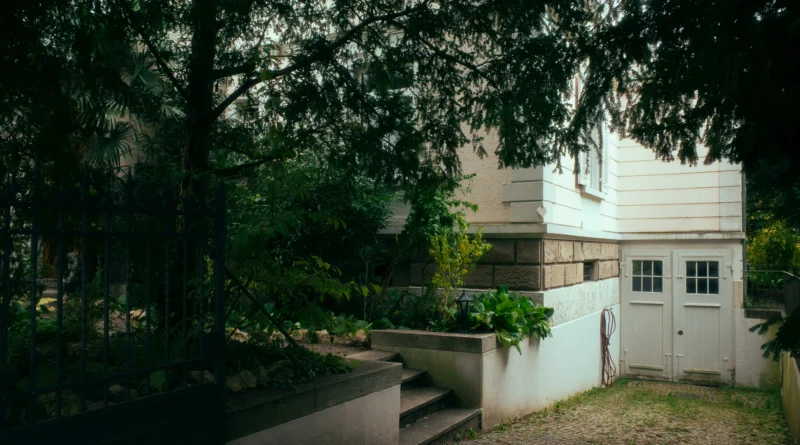
What Are The Best Materials For A Barn Style House
A barn style house mixes old farm charm with today’s practical ways. It takes the cozy feel from country buildings. But it fits into modern life. When you build one, picking good materials is key. This is not only for style. It’s also for lasting strength, warmth keeping, and smart spending. Each material adds its own touch to the house. Some keep it looking old-timey. Others give it a factory-like edge. This piece looks at top materials for barn style houses. It explains why they work well for years of use.
Why Should You Care About Material Selection?
Before we get into details, think about why picking materials counts so much. The choices you make affect power use, fix-up costs, and even how much you can sell the house for later. In barn style homes, big open rooms and shown frames are usual. So every material shows up and does a job at the same time. I recall a builder friend who skipped good picks once. His project ended up costing extra in repairs after just a few rains.
Structural Longevity and Strength
Barn style houses often have wide open areas and tall rooms. These setups need materials that hold up heavy loads and pulls without bending much over time. Steel beams or made wood supports are common fixes. They keep their form when things get heavy. And they let you have big inside spaces. Builders like to use laminated veneer lumber (LVL) or glulam beams. These offer solid power plus a nice look. For example, in a recent build in the Midwest, glulam helped span 30 feet without extra posts. That kept the flow open and airy.
Energy Efficiency and Insulation
Your material picks change how well the house stays warm in cold times or cool in hot spells. Insulated metal panels or SIPs (structural insulated panels) show up a lot in new barn homes. They cut down on heat leaks and boost power scores. If you go with wood sides, add spray foam inside to get close results. Studies from the U.S. Department of Energy show these can save up to 20% on bills yearly. It’s a small step that pays off big in the long run.
Maintenance and Weather Resistance
Various weather hits materials in different ways. In wet spots, raw wood might twist or break down. In dry places, metal could grow with the heat. So pick treated wood or coated steel to make care simple. Homeowners often put on guards like sun-proof stains to make things last longer. Take a humid spot like Florida—there, folks swear by those treatments after seeing neighbors’ wood fail fast.
What Are the Best Exterior Materials for a Barn Style House?
The outside sets the tone and shields the barn home. It has to stand up to rain and wind. At the same time, it should match your style wants—maybe old farm feel, factory sharp, or simple clean.
Reclaimed Wood Siding
Used wood stays popular. It gives a real worn look. Plus, it’s kind to the earth. Every board has its own rough feel and color shifts that fresh wood misses. But used wood calls for a seal to fight water and bugs. A smart way is to take boards dried in a kiln. Then treat them with borate guards before putting them up. In one old barn redo in Vermont, this method kept the siding looking great after 10 years of harsh winters.
Metal Cladding
Wavy metal sides now go hand in hand with fresh barn looks. It brings a smooth factory style. And it’s safe from fire with little upkeep. Galvanized steel or aluminum sheets can go for many years if coated right against rust. They bounce back sun rays well. This keeps inside spots cooler in summer heat. Builders note that in sunny Texas spots, these cut cooling needs by 15% or so.
Fiber Cement Panels
Fiber cement mixes cement’s hard side with plant fiber’s bend. It looks like wood lines but fights fire, rot, and bugs better than true wood. It’s heavier than some choices. Yet its long life often makes up for the setup cost in the end. For coastal builds, this has become a go-to since it handles salt air without much fuss.
How Do Roofing Materials Affect Performance?
The roof sits at the heart of looks and work in a barn style house. Steep side roofs shape its main outline. Picking the right one can make all the difference in tough weather.
Standing Seam Metal Roofs
Standing seam roofs hold up well. They last 40 to 70 years based on the coat’s quality. And they need less fixing than tile roofs. Their up-and-down joins let water run off fast. This works great in places with lots of rain or snow. In Colorado mountains, these roofs have saved homeowners from heavy snow pile-ups time and again.
Asphalt Shingles
They don’t look as bold in view. But asphalt shingles win fans for low price and easy swaps. Top-grade thick shingles copy slate or wood chunk styles. They give fair guard against weather. For a budget barn in the suburbs, these often fit the bill without breaking the bank.
Wood Shakes or Shingles
If you want true old feel, cedar chunks bring top warmth in shade and touch. They hold heat on their own. But they need steady care against green growth and wear. These suit mild weather spots better than super wet ones. A Pacific Northwest home I heard about treats theirs yearly and they’ve lasted over 25 years.
Which Interior Materials Complement the Barn Aesthetic?
Inside a barn home, shown wood meets shiny touches. It’s a mix of tough and smooth. This setup keeps the farm spirit alive while adding daily ease.
Exposed Timber Beams
Showing the main beams brings realness to the plan. It highlights the work put in. Oak or Douglas fir pieces grow nicer as they turn darker with age. A clear oil rub brings out the lines without hiding small flaws. In wide living areas, these beams often become the room’s star, drawing eyes upward.
Polished Concrete Floors
Concrete floors add a new edge to wood parts. They work well with under-floor heat systems. This is handy for big open spots you see in barns. Plus, they’re easy to clean after muddy boots come in from outside chores.
Natural Stone Accents
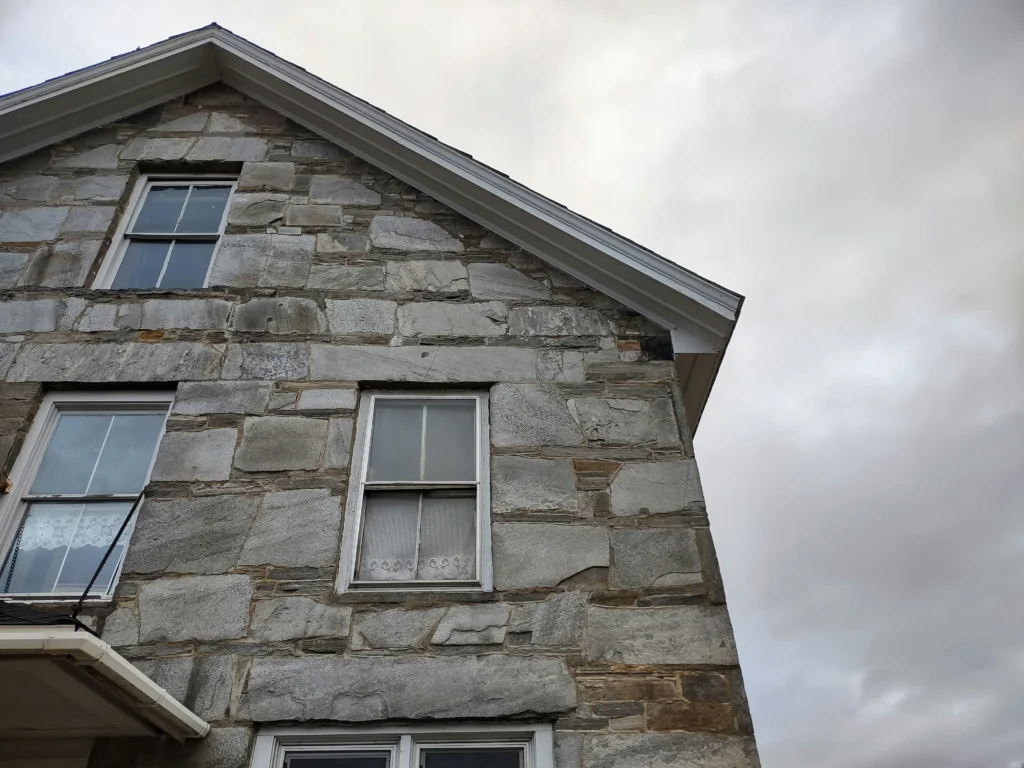
Stone spots like fire hearths or side walls anchor the inside look. They hold steady on heat. Stone takes in warmth by day and lets it out slow at night. This helps keep rooms comfy without extra work. In a chilly evening, that slow release feels just right.
What Are Sustainable Material Options?
Green choices go beyond ads. They touch daily ease and running costs of your home. With climate talks everywhere, more folks look for ways to build light on the earth. It’s not always easy, but the payoffs show up in lower bills and a clearer conscience.
Engineered Wood Products
Made woods like cross-laminated timber (CLT) use small trees in smart ways. Yet they match big log strength. They’re steady in size with less scrap from making. A factory using CLT cut waste by half in one project, per industry reports.
Recycled Metal Components
Reused steel cuts the air harm a lot compared to new sheets from digging ore. This helps green builders chase LEED badges. In urban spots, recycled bits often cost less too, blending savings with earth care.
Low-VOC Finishes and Paints
Inside air gets better when you skip high VOCs. Use water-based covers or plant oils over strong chemical ones on wood. This cuts bad smells and health worries. Families with kids notice the fresh air right away.
How Do Regional Factors Influence Material Choice?
Local weather shapes how materials do over many years, not just short times. From coast to plains, tweaks keep things solid. Ignoring this can lead to early fixes nobody wants.
Cold Climate Considerations
In north lands with snow weight, sharp metal roofs stop build-up. Triple-glass windows cut heat loss through big window spots common in barn plans. In Minnesota winters, these setups keep homes snug without sky-high heat costs.
Humid Climate Adjustments
For south shore zones with year-round damp, mix sides beat plain wood. They handle swell from wet-dry shifts better. Down in Louisiana, builders pick these to avoid the rot that plagues old wood homes.
Arid Region Adaptations
In dry lands where sun rules over rain, shine-back coats on metal sides keep inside cool. This cuts need for strong cool air without overdoing it. Arizona spots use these to stay livable in 100-degree days.
FAQ
Q1: What Is the Most Durable Exterior Material for a Barn Style House?
A: Galvanized steel cladding generally outlasts most alternatives due to corrosion resistance when properly coated; many manufacturers guarantee service life beyond 50 years under normal conditions (source: American Iron & Steel Institute 2023).
Q2: Are Wooden Barn Homes Energy Efficient?
A: Yes—when combined with modern insulation systems like SIPs or spray foam between framing members; these reduce air leakage substantially according to U.S. Department of Energy studies (2022).
Q3: Can Reclaimed Wood Be Used Structurally?
A: Only after grading verification by certified inspectors since not all reclaimed lumber meets load-bearing standards established by ASTM D245 specifications (Wood Council Report 2021).
Q4: Which Roofing Type Is Best for Snowy Areas?
A: Standing seam metal roofs perform best because their interlocking panels shed snow quickly without ice dam formation risks typical of shingle systems (National Roofing Contractors Association 2020).
Q5: How Can You Make a Barn Style House More Sustainable?
A: Choose renewable materials like bamboo flooring, recycled steel framing elements, low-VOC finishes, plus install solar-ready roofing systems compatible with photovoltaic arrays approved under Energy Star guidelines (EPA 2023).