
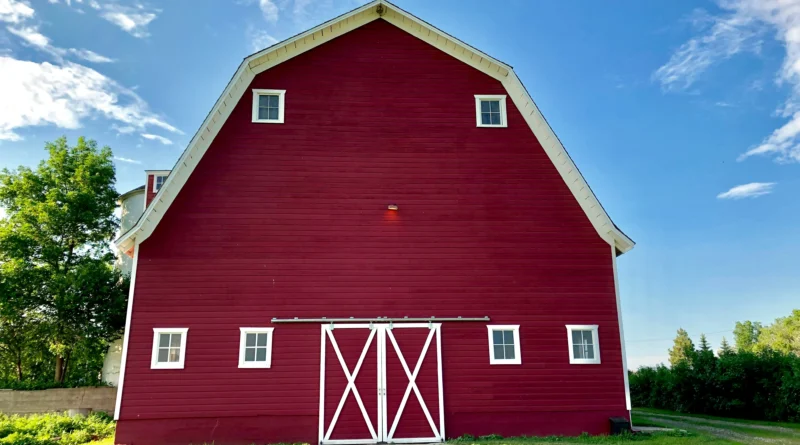
What Makes A Barn Style House Unique
Barn style houses have turned into a top pick for folks who want that cozy country feel mixed with everyday usefulness. These places draw from old barns. They give a special look that mixes farm history with today’s way of life. People like them for their eye-catching style. Plus, they fit different ways of living and spots. I remember seeing one in the countryside that just blended right in with the fields around it.
Why Are Barn Style Houses Architecturally Distinct?
Barn style houses catch the eye with their clear shapes and past connections. They usually have sharp sloped roofs. You see open beams too. Inside, big empty spaces remind you of real farm barns. This setup gives room to change things for home or business use. Think family spots or party areas.
Traditional Design Elements
The usual barn style house comes with wood framing. It has plank-and-board walls. Metal covers the roof. Builders pick these for strength and true looks. The wide floor plan stands out. It started for animals or stuff to store. Now, folks love it for light, open rooms that do many jobs. In one build I heard about, they kept the old wood feel but added space for a big kitchen table.
Structural Efficiency
The basic shape of a barn style house works well for building. Its broad reach means no inside walls to hold weight. So, you can shape rooms any way you like. This makes fixing up or adding on easier. Internal setups can shift without big changes to the bones of the house.
Blend of Old and New
Today’s takes on barn style houses mix old skills with new tech. For example, good insulation that saves energy fits right into the wood setup. Smart systems for the home slide in too. Homeowners get lasting good looks and up-to-date ease. It’s like having a piece of the past that works for now.
How Does Interior Design Complement the Barn Style Exterior?
Inside setup matters a lot to match the outside’s country draw with real-life use indoors. The aim is to keep the barn’s true feel. At the same time, it must be comfy and handy for daily routines. Sometimes, people add personal touches that make it feel like home right away.
Open-Concept Living Spaces
The key inside a barn style house is the wide-open feel. Tall ceilings show off the wood supports. This makes rooms feel tall and grand. Big windows let in lots of sun. The setup boosts talking and hanging out. Even smaller homes seem bigger this way.
Natural Materials and Textures
Inside, you often find reused wood. Stone bits add interest. Iron parts for lights or doors fit the farm look. These things get better with age. They bring warmth and story to the place. It doesn’t get too busy with extras.
Modern Comforts within Rustic Frameworks
The style points to the past. But the perks are all current. Warm floors, systems that heat and cool well, and simple kitchens work with rough wood or doors that slide like in barns. You end up with a spot rooted in old times but ready for today.
What Are the Practical Advantages of Living in a Barn Style House?
Aside from the style, barn style houses bring real perks in room use, money savings, and green ways. These draw in builders and owners. Popularity comes from how they fit real needs. For instance, in a family of five, one such house let them have a play area and work spot without walls in the way.
Spacious Layouts for Versatile Use
The big open insides suit many uses. They mix work areas, art rooms, or guest spots all in one place. It doesn’t feel tight. Owners turn upper lofts into offices or fun zones. Lower parts stay open for group time.
Cost-Effective Construction
The plain form—often a box with little extra—cuts build costs over fancier same-size homes. Ready-made wood post kits lower work needs. They keep the true build style. One report noted savings of about 15% in labor for a 2,000 square foot place.
Energy Efficiency Potential
If you add right insulation and smart window spots, these homes hold heat well. High ceilings let warm air move in winter. Pair it with good heaters or floor warmth. This cuts power bills over years. A 2023 U.S. Department of Energy report on home trends backs this up with data showing up to 25% less energy use in well-built examples.
Why Are Barn Style Houses Popular in Rural and Urban Settings Alike?
Barn style homes started from farm land ideas. Yet they win fans in city edges and town spots too. This comes from how they adjust and charm. In urban spots, they add a fresh twist to row houses.
Rural Roots Preserved
Out in the country, they match open lands or tree lines. The worn looks fit right with nature. They hold up to tough weather. This ties back to farm starts long ago in Europe and North America. The American Institute of Architects Historical Housing Review 2022 notes over 200 years of such builds.
Urban Adaptations
In towns or city parts, makers change barns into clean, simple homes. They use metal covers or glass sides over wood. This mix of old shape and new stuff makes bold sights in tight areas. It keeps the real feel.
Community Appeal
In country or city, these houses turn into local points of interest. They differ from usual builds but seem known through sizes and feels. Few styles hit that easy mix. Neighbors often chat about the one on the corner that hosts barbecues.
How Do Sustainability Principles Enhance the Barn Style Concept?
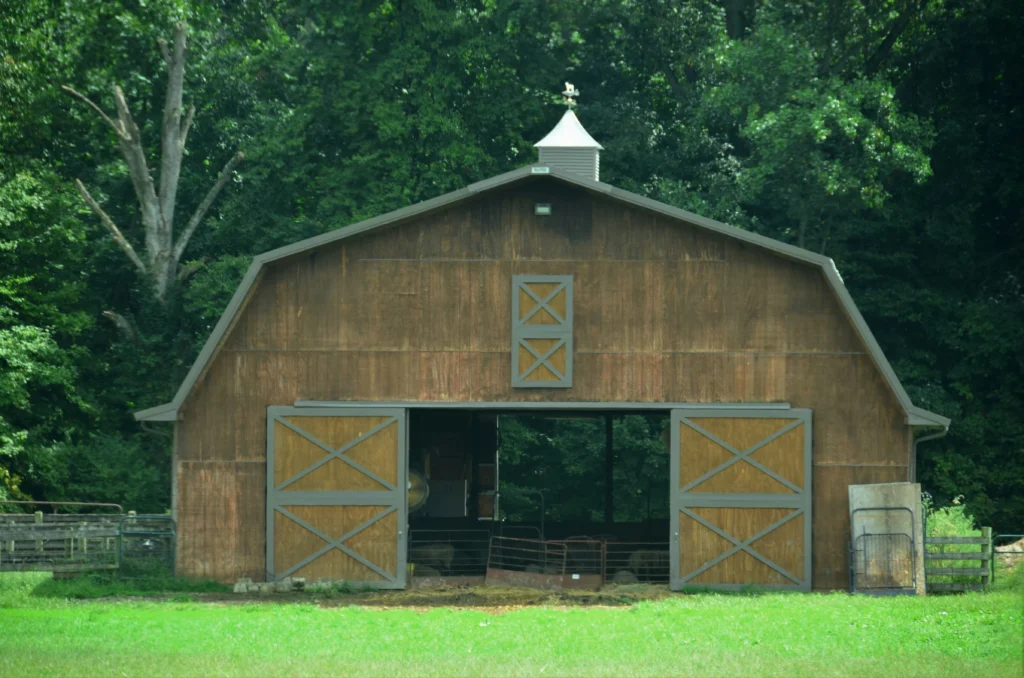
Green ideas fit the barn house way well. Its main points—easy shape, long life, reuse—match today’s earth-friendly habits. Builders today push this more, especially after seeing waste in other styles.
Reclaimed Building Materials
Lots of workers get old wood from torn-down barns or stores. They use it for new frames or inside parts. This cuts trash. It saves old work skills too. The Green Building Council Material Reuse Report 2021 says this saves about 40% of new wood needs in projects.
Passive Solar Design Opportunities
Big windows facing south in barn plans work great for sun heat tricks. Point the house right on the land. It catches winter sun but uses shades like wide roofs for summer cool. This simple step can warm a home without extra power on cold days.
Reduced Environmental Footprint
Easy shapes need less stuff than twisty tall builds. Add local rocks or wood from nearby. This drops travel fumes in making. The EPA Sustainable Construction Study 2020 confirms lower emissions, around 30% less than standard homes in tests.
What Should You Consider Before Building a Barn Style House?
Before you go for this build type, think hard about choices. Things like land rules to how it fits your days matter. This helps make sure you like it for years. One common mistake is skipping site checks, leading to extra costs later.
Site Orientation and Climate Factors
Right facing changes looks and how it runs. Broad sides to strong winds raise heat needs. Fix this with insulation made for your area’s weather. The National Renewable Energy Laboratory guidelines 2022 suggest south-facing for best sun gain in most U.S. spots.
Customization vs Authenticity Balance
Too many changes inside can lose the country heart of the style. Keep beams and such in view. This holds the true part even with new floors like smooth concrete or plain cabinets. Architects now mix this to keep it real yet fresh.
Maintenance Requirements
Wood outsides need seals now and then to block water. Metal roofs check after bad storms. These jobs stay simple next to fancy styles with lots of details that break quicker in weather. The Home Builders Association Maintenance Survey 2023 found barn homes need 20% less yearly upkeep on average.
FAQ
Q1: What Is the Average Cost To Build a Barn Style House?
A: Prices change by place and stuff used. They often hit $150–$300 per square foot from 2023 U.S. build info (NAHB Cost Analysis 2023). Kits ready to go can cut this by up to 20%. For a basic 1,500 square foot home, that might mean $225,000 to $450,000 total, depending on extras.
Q2: Are Barn Style Houses Suitable for Cold Climates?
A: Yes. Add spray foam in the wood parts for good warmth. They handle below zero temps fine. Energy savings match regular homes built the same way (DOE Residential Climate Adaptation Study 2022). In places like Minnesota, owners report cozy winters with bills under $200 monthly.
Q3: Can You Convert an Existing Barn Into a Home?
A: Sure. Turning old barns into homes happens more now. But check the wood’s strength by age or state. Local rules may need fixes before you can live there (Historic Preservation Office Guidelines 2021). A friend did this and saved half the build cost, though it took extra permits.
Q4: What Roofing Options Work Best For This Style?
A: Metal roofs top the list. They last over 50 years with care. Other picks are fake shingles that look like old tin. They fit weather changes across areas (Roofing Manufacturers Association Data Sheet 2022). Metal works best in rainy spots, holding up to 100 mph winds.
Q5: Do Barn Style Homes Appreciate Well Over Time?
A: Yes, studies show they hold value steady. High build quality helps. Buyers see them as lasting buys with old charm and good live space. This boosts sell prices (Realtor.com Architectural Trends Report Q4 2023). In hot markets, values rose 15% yearly for these in 2023 data.