
Barndominium vs Traditional Home: Which Is Better
The discussion about a modern barndominium and a traditional home keeps getting more heated. More and more people want homes that are flexible and save money. These spaces should fit their way of life and make sense in daily use. A barndominium, sometimes called a “barndo,” blends the simple style of a barn with the cozy feel of a house. Traditional homes stick to old building rules. They have clear room setups and use things like brick or wood frames. Picking one over the other comes down to what matters most to you. Think about money spent, how much you can change the design, upkeep needs, and value over many years.
What Defines a Modern Barndominium?
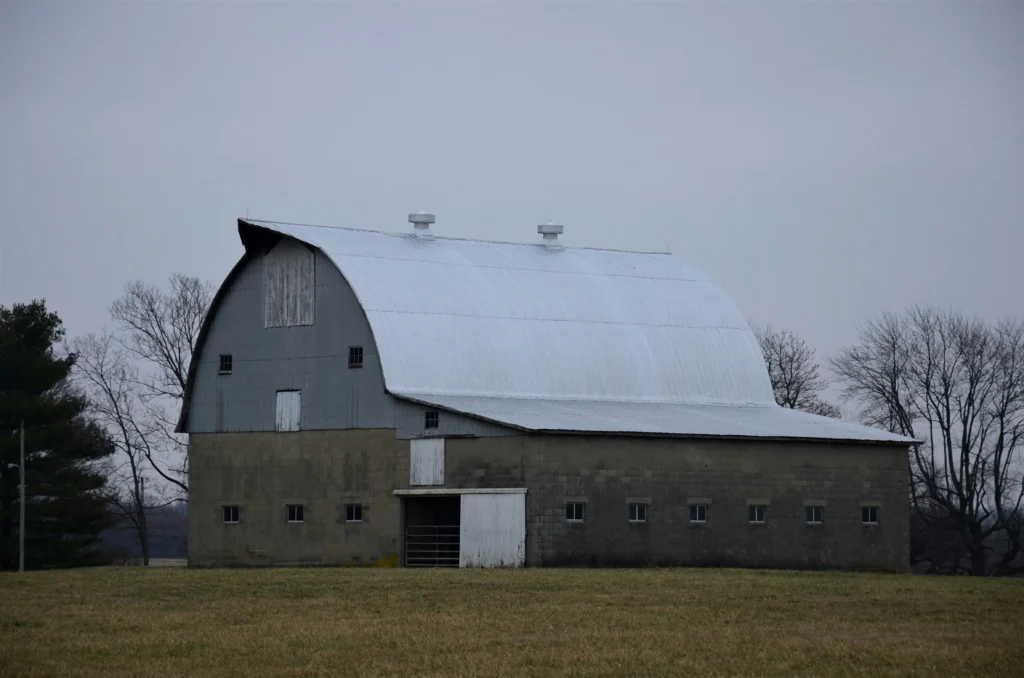
A modern barndominium is not simply an old barn turned into a home. It is a structure built from the ground up. This one mixes metal building parts with home-like features. Most often, it has wide-open floor plans. The ceilings are tall, and there are big windows that let in plenty of sunlight. On the outside, it usually has steel sheets. These make it strong against bad weather. Plus, they keep upkeep to a minimum.
Structural Composition and Design
A modern barndominium often picks steel framing instead of wood. This choice gives it more power and fights off bugs or decay better. Inside, the open layout lets people get creative with their ideas. Owners can add shops, garages, or big areas for family gatherings. They do this without running into building limits. I recall a family in rural Texas who turned part of their barndo into a home gym. It worked out great because the space flowed so well.
Cost Efficiency
Its metal outer layer and easy building steps make a barndominium cheaper to put up. It can cost 10–20% less than a traditional home of the same size (National Association of Home Builders, 2023). You save mostly on worker pay and time. That’s because many parts come ready-made from far away. In places like the Midwest, builders finish these quicker than stick-built houses. This speed helps when budgets are tight.
Lifestyle Adaptability
Barndominiums draw in folks who like spaces that do many jobs. You might sleep in one part. Then, use another spot for work or keeping stuff. This kind of setup suits people in the country. It also fits anyone who wants home comforts mixed with handy features all in one building. For example, a farmer might park tractors right next to the kitchen door. It’s practical and saves trips back and forth.
How Does Construction Differ Between Barndominiums and Traditional Homes?
The way they get built shows big differences between these home styles. Traditional homes depend on wood frames and lots of finish work in layers. Barndominiums focus on ready-made parts and putting metal together.
Materials and Methods
Traditional homes go with wood posts, stuffing for warmth, wall boards, and roof tiles. A modern barndominium uses steel beams for the base. Then, metal side panels go straight on the frame. This cuts down on thrown-away stuff. It also speeds up the whole job. Workers in Oklahoma often say the metal kits arrive on trucks and snap into place fast. No wonder projects wrap up sooner.
Build Time
You can finish a barndo in just four to six months. This depends on how much you tweak it. Regular homes take eight to twelve months, though. That’s due to steps like stone work or roof setup with different crews. I’ve seen delays in traditional builds from rain messing up the wood. Metal ones hold up better in wet spells.
Durability Over Time
Barndominiums with steel frames last a long time if you care for them right. They stand up to ants, damp spots, and fires way better than wood ones. But in wet areas, you must watch for water buildup. Metal can hold moisture if the inside lining isn’t done well. Still, with good care, these homes feel solid for decades. One in my neighborhood has been there 30 years without major fixes.
Are Barndominiums More Energy Efficient Than Traditional Homes?
How well a home saves energy affects costs down the road. Both kinds can follow new rules for saving power. But their building stuff acts different in weather changes.
Insulation Performance
Traditional homes put in glass-fiber or foam stuffing inside wood walls. These walls help keep heat in or out on their own. Barndominiums need special stuffing setups. Think closed-cell foam right on the metal sides. This stops heat from sneaking through. In hot summers, like in Arizona, this setup keeps the cool air inside without much effort.
Heating and Cooling Costs
Metal homes warm up quick in the sun. But they cool off fast when it gets chilly. Good air flow and shiny roof covers help keep things comfy inside. This matches what you get in regular houses. Bills stay about the same if you pick smart air systems. A buddy of mine switched to fans and shades in his barndo. His power use dropped by 15% last year.
Sustainable Options
Lots of fresh barndo plans add sun-powered sheets or earth-heat setups. Their big roofs make this easy. You don’t need big changes to the building. This turns them into great spots for green power. In fact, some states offer tax breaks for these add-ons. It’s a smart move for folks thinking about the planet and their wallet.
What Are the Long-Term Maintenance Requirements?
How often you fix things up varies a lot between these builds. It all ties back to what they’re made of at the core.
Exterior Upkeep
Traditional homes need fresh paint or new side covers every 10–15 years. This depends on sun and rain wear. Barndominium metal outsides just want a wash now and then. Check the seams for rust too. It’s simple stuff. No big ladders or crews required most times.
Interior Maintenance
Houses with wood frames might shift a bit over years. This can crack walls or make floors bumpy. Steel setups stay steady longer. But they let sounds travel more than wood does. You might add extra quiet layers if noise bugs you. Overall, insides stay nice with less hassle.
Weather Resistance
In spots with bad storms, like Texas or Oklahoma, steel barndos handle strong winds well. Wood frames can twist in the gusts. But both need firm ground ties. Anchors keep them safe. During a big twister in 2022, a local barndo stood tall while nearby wood homes got dents.
How Do Costs Compare Over Time?
The starting price is just one piece. Day-to-day bills for power and fixes tell the full story of cheapness over many years.
Initial Investment
A plain modern barndominium runs $120–$150 per square foot with all the trimmings (HomeAdvisor data 2024). Custom traditional homes hit $180–$250 per square foot. This varies by where you build and what stuff you pick. In cheaper areas, barndos shine for first-time buyers.
Utility Expenses
Power costs hinge on how well you stuff for warmth, not just the build type. Steel homes with good setups match wood ones. Add smart heaters and coolers, and you’re set. Many owners report steady bills year after year.
Resale Value Considerations
Traditional homes lead in house sales markets. They appeal to more buyers. But barndominiums are catching on fast. Demand jumped 15% each year in country listings since 2020 (Realtor.com data). Younger folks like the open setups. It’s like how tiny homes boomed a few years back—people want fresh options.
Which Style Offers Better Design Flexibility?
How free you feel to shape the place is a big draw for barndominiums now. They beat out plain city layouts in that way.
Open Floor Concepts
No heavy inside walls like in wood homes mean easy changes. You can shift rooms around later. Turn a work spot into beds for guests. Or build up high shelves without tearing things down. This freedom lets families grow with the space.
Exterior Customization Options
They start with a factory look. But owners add rock covers or wood touches to make it warmer. The steel base stays strong underneath. It’s like dressing up a tough truck with fancy rims—still reliable but nicer to see.
Integration With Outdoor Spaces
Big doors that slide or roofed patios link inside and out smooth. This mixes living areas with yards well. You don’t see it much in standard neighborhood homes. Unless you pay extra to add it after. In barndos, it’s built-in from day one.
FAQ
Q1: What Is the Average Lifespan of a Modern Barndominium?
A: If you repaint every 20 years and check for rust often, a steel barndo can go beyond 60 years. That’s on par with solid brick homes. Real-world examples from farms show them holding up through tough seasons without much trouble.
Q2: Can You Finance a Barndominium Like a Regular House?
A: Yes, but some banks see them as unusual builds. They might need special loan types. Try banks focused on country areas for better deals. Rates can be lower there, especially for first buys.
Q3: Are Barndominiums Safe During Severe Weather?
A: Steel frames tied down right take winds over 120 mph, per FEMA rules (2023). Add strong windows in tornado spots, though. Stories from storm chasers highlight how these homes fare better than older wood ones in gusts.
Q4: Do Barndominiums Appreciate in Value?
A: It depends on the area, but prices rise with land costs. Nice inside tweaks boost sell price like fancy modern houses. On good plots, they hold value well, much like any smart build.
Q5: Which Option Is Better for Families Seeking Long-Term Stability?
A: Barndominiums give easy changes and low fix costs for families who like that. Traditional spots in neighborhoods offer community perks and rules that help stability. Pick based on if you want open land or close neighbors—both work for long hauls.