
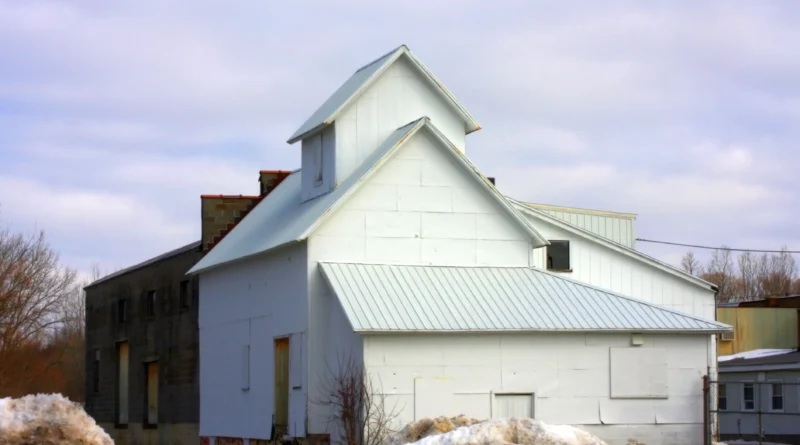
How To Design The Perfect Modern Barndominium
Creating a modern barndominium mixes the simple appeal of old barn buildings with the neat usefulness of today’s homes. For people who know about building or design, this kind of house gives a wide range of options. It joins tough materials with careful looks. The job needs focus on how spaces connect, how strong the build is, and how things look and work together. Each choice, from stuff used to the way rooms are set up, changes how the place looks and does its job in real life. I remember seeing one in Texas where the owners added a small porch just because they loved watching sunsets—little touches like that make it feel personal.
What Defines a Modern Barndominium?
The words “modern barndominium” mean a house based on barns but made for easy living. It often has big open areas, tall ceilings, and outside walls of metal or wood. These give a feel of country life mixed with smooth new styles. Inside, you might find shiny concrete floors, beams that show, and huge windows. They let in lots of sunlight. In my view, these homes work well in places with wide land, like farms turned into cozy spots.
Architectural Characteristics
A modern barndominium mostly has a square or L-shaped base. This way, it uses materials and room wisely. The roofs are usually pointed or slanted. They look nice and let water run off well. Lots of plans add good insulation panels inside steel frames. These help keep the inside at a steady temperature. And they do not hurt the overall look. For example, a 2,000-square-foot build in Oklahoma used this setup and stayed cool even in hot summers.
Material Selection
Usual materials are wavy metal sheets on the sides. They go with reused wood or rock touches. These picks last a long time. And they need little fixing up. Inside, the finishes mix rough work surfaces with soft feels. Think real wood or flat paint colors. Builders often pick these because they hold up against weather, based on what I’ve read in construction guides from the last few years.
Spatial Configuration
The wide-open plan stays at the center of the idea. Living spots run right into kitchens and eating areas. This makes group spaces great for families or friends visiting. Private rooms sit in calmer parts of the house. They keep things quiet without breaking the open feel. It’s like having a big family room that still gives you a spot to hide away.
How Should You Plan The Layout For Functionality?
When you plan the layout of your barndominium, consider how people will use each part every day. Usefulness matters most. Every bit of space should have a job. At the same time, keep the look smooth between work spots and fun areas. Sometimes, folks forget about pet areas—adding a corner for the dog can make daily life smoother.
Open Floor Concept
An open floor plan means more than taking out walls. It builds links between different parts while keeping things comfy. Put the kitchen in the middle. This way, people can talk while cooking. Views across the living areas make the space feel bigger. In one project I heard about, they even added an island counter that doubled as a homework spot for kids.
Zoning Strategy
Zoning splits the building into clear zones for different activities. There are public ones like the living room and kitchen. Then semi-private spots, such as a home office. And private areas for bedrooms. This setup helps with sound control. It also saves energy by putting like areas close. For instance, keeping bedrooms away from the noisy kitchen cuts down on echoes at night.
Flow And Circulation
Easy movement relies on smart paths between rooms. Wide halls, doors that slide like barn ones, and few inside blocks keep the view going. They also guide people naturally through the house. Think of it as walking without bumps—smooth and simple.
Why Is Structural Design Crucial In A Barndominium?
Barndominiums blend home comfort with the big size of barns. So, the build’s strength is very important for safety and lasting time. Steel frames often take the place of old wood ones. They are stronger for their weight. This choice works well in wet areas too, where wood might rot faster.
Framing Systems
Steel framing holds up big areas without walls in the middle to carry weight. It lets you change the floor plan easily. Plus, it fights off bugs and dampness better than raw wood. That’s a smart pick for places with lots of rain or humidity. Data from building reports shows these frames cut down on repairs by up to 30% over 20 years.
Foundation Considerations
Most modern barndominiums rest on strong concrete slabs. These act as both the base and the floor. This method speeds up building time. It also gives good heat storage to help control inside temperatures. In colder spots like the Midwest, this keeps homes warmer without extra heating costs.
Load-Bearing Efficiency
The wide roofs common in barn homes need good checks on how weight spreads. Builders use truss setups or stiff frames to manage up-and-down pressures well over open insides. This keeps everything steady, even in windy storms. One engineer tip is to always test for local weather patterns before finalizing.
How Can You Enhance Energy Efficiency And Sustainability?
Being kind to the earth is a big part of new homes now. It’s not just talk. Adding green tools from the start cuts down on bills later. And honestly, with energy prices rising, it’s a must-do for most families.
Insulation And Ventilation
Spray foam that closes cells gives better block against heat or cold than glass fiber types. Good air flow from roof vents or windows you can open stops wet build-up. It also lets fresh air in. For a 1,500-square-foot home, this can save about $500 a year on power, per energy audits.
Renewable Energy Integration
Put solar panels on roofs facing south. They can cover much of your power needs. Add battery packs for times when the grid goes out. This is getting common for people far from cities. In sunny states like Arizona, owners report paying almost nothing for electricity after setup.
Water Management Systems
Catch rain water with systems tied to gutters. Use it for watering plants or even clean it for home needs in country spots without city water. This saves water and lowers bills. A simple setup might collect 10,000 gallons a year from a average roof.
What Interior Design Elements Define A Modern Barndominium?
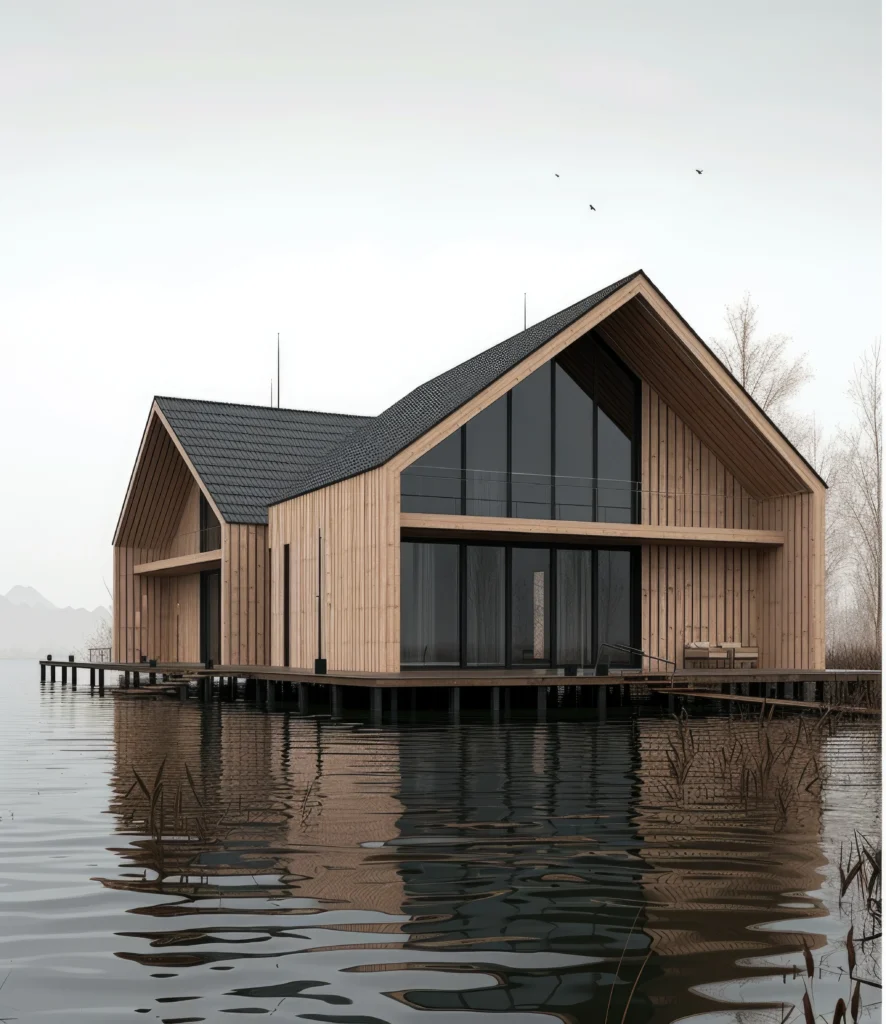
Inside design links the rough outside with classy new touches. The best mix of surfaces adds cozy feels in a tough shell. It keeps things fancy too. Sometimes, adding family photos on walls makes it feel lived-in right away.
Color Palette And Lighting
Plain colors such as white, dark gray, or light tan fill modern barndominiums. They make light from big windows seem brighter. Extra lights like hidden LEDs or hanging ones give depth when the sun goes down. Soft bulbs around 2,700 Kelvin work best for a warm glow.
Furniture And Fixtures
Pick furniture with simple shapes made from real stuff like oak wood or soft leather. Metal parts in dull black or shiny brass go well with shown beams. These choices make the space feel put-together without trying too hard.
Texture And Finishing Details
Mix flat concrete floors with old wood on ceilings. This adds touch differences that ease the hard metal feel. It keeps the true barn look alive. In practice, a light rug over concrete helps with cold feet in winter.
How Do You Balance Cost With Quality During Construction?
Handling money decides if your build stays on track without losing good work. It’s a balance, and skipping corners can cost more later. Pros always say plan for surprises like material price jumps.
Material Cost Planning
Steel costs change with the seasons. Sign deals with sellers soon to avoid money risks. Old materials can cut costs. But check them for strength before using. In 2023, some areas saw steel prices drop 15%, making it a good time to buy.
Labor And Contractor Selection
Choose workers who know post-frame builds well. They put things together fast. This cuts down on fix-ups from wrong fits, which happen a lot in mixed builds. A good team can finish a week early, saving on wages.
Long-Term Maintenance Savings
Spend more at first on strong covers, like coated metals or wood treated against weather. This means less fixing over many years. It saves big money later, even if it costs extra up front. Owners often see payback in just five years.
FAQ
Q1: What Is The Average Cost Of Building A Modern Barndominium?
A: Costs change a lot by area and what you pick, but they usually fall between $120–$200 per square foot. This comes from U.S. building info in 2023 from the Home Builders Association. For a basic 2,000-square-foot one, that might total around $300,000, give or take local fees.
Q2: Can A Barndominium Be Two Stories?
A: Yes, two-level plans are getting more common. But they need stronger frames to hold the extra weight safely. Adding a loft for storage can make it practical without full second floors.
Q3: Are Barndominiums Suitable For Urban Settings?
A: They started in the country, but city builders now make smaller ones. They fit city rules for mixed spots like shops below homes. In places like Austin, these blend right in with modern vibes.
Q4: How Long Does Construction Usually Take?
A: It depends on how tricky it is and the weather. Most finish in 6–9 months after getting permits and prepping the land. From the Construction Industry Report 2022. Rainy seasons can add a month or two.
Q5: What Makes A Barndominium Different From A Traditional Home?
A: It mixes farm shapes with home uses. Big areas without middle walls give way more change options than regular houses built around set weight walls. This freedom lets you redesign rooms easily as needs grow.