
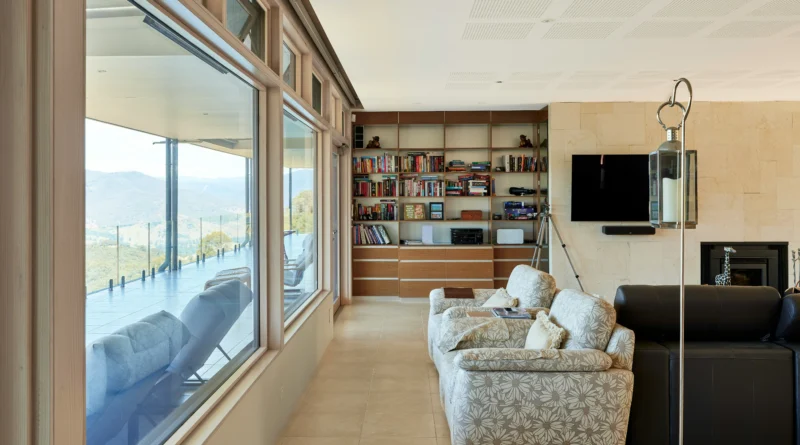
Is Open Concept House Design Still Worth It
Open concept house design has been a big trend for many years. You see it in shiny magazines, sample homes, and TV shows about fixing up houses. Walls vanish to make one wide, breezy area. But lately, builders and people who own homes are wondering if these open setups still work well for everyday life. This piece looks at the good points, bad points, and new ways of thinking about open concept homes. It focuses on how ways of living and job habits are changing now.
I remember walking into a friend’s place last summer. Their kitchen flowed right into the living room. It felt so inviting at first. But then, with everyone talking at once, it got chaotic. That got me thinking about whether this style holds up today.
Why Did Open Concept House Design Become So Popular?
The open concept idea didn’t just pop up suddenly. It grew from changes in society and new building ideas. These focused on family ties and room to move around. Builders started taking out walls between the kitchen, eating area, and living space. This made a shared spot for everyone.
The Rise of Social Interaction Spaces
Open setups helped people talk easily from one spot to another. You could cook and chat with friends at the same time. Or watch the kids while doing chores. Walls gone made this simple. This style matched a move toward relaxed home life. It was different from older houses with strict room splits from the middle of the last century.
Take a typical family dinner. Without walls, laughter bounces around freely. Everyone feels part of the fun. But is that always a good thing? Sometimes, you just want a quiet chat in the corner.
Influence of Modern Architecture
Builders like Frank Lloyd Wright pushed for smooth spaces. These mixed inside and outside areas. His Prairie-style homes had long views and joined rooms. This was an early version of today’s open concept design.
Wright’s ideas came from nature. He wanted homes to feel like part of the land. In one of his houses, you could see the garden from the kitchen. That blurred lines in a nice way.
The Role of Media and Real Estate Marketing
TV programs and house sale ads pushed the thought that open spaces meant fancy and up-to-date living. People buying homes linked big open areas with better worth. This held true even if it wasn’t the best for real daily use.
Real estate folks often say, “Look at this great flow!” It sells houses fast. But after living in one, some buyers rethink it. Ads make it seem perfect, yet reality hits different.
Does Open Concept Design Still Fit Today’s Lifestyle?
Ways people live have shifted a lot since open floor plans took off. Remote jobs, kids learning online, and families living together across generations are normal now. So, many home owners question how much open space they truly want.
Life moves quicker these days. Phones buzz all the time. A big open room can feel overwhelming with all that activity.
Remote Work Challenges
When several folks share a huge area, sounds turn into a problem. A video call in the kitchen might bother someone watching shows in the living room. Lots of home owners now put in sliding screens or clear glass walls. This brings back some private spots. Yet it keeps the brightness.
Picture this: Dad’s on a conference call. Mom’s blending a smoothie nearby. The noise echoes everywhere. No wonder people add those dividers. I’ve heard from friends it’s a game-changer for focus.
Family Needs and Personal Space
Families see that kids require calm spots for schoolwork or games. These should be away from grown-up tasks. The health crisis showed how key it is to have bendy zones in a house. Pure open styles find it hard to offer that.
In my neighborhood, one family turned a corner of their open space into a kid’s nook with bookshelves. It worked okay, but they still wished for more walls sometimes.
Energy Efficiency Considerations
Warming or cooling a single big zone costs more than handling smaller ones. Houses with tall roofs and nonstop areas deal with bigger power bills. This happens a lot in places with hot summers or cold winters.
For example, in Texas, where it’s scorching, open homes can feel like ovens. Folks end up cranking the AC, and the bill skyrockets. Closed rooms let you cool just where needed.
What Are the Key Advantages of Open Concept Homes?
Even with some complaints, open concept house design gives perks that draw many home owners. If planned with care, this openness boosts looks and everyday use.
It’s not all bad. Plenty of people swear by it for parties. The space just hums with energy.
Enhanced Natural Light Flow
Taking out walls lets sun reach farther inside. This cuts down on fake lights. It also makes even tiny houses feel roomy.
Sunlight streaming in? That’s pure joy. Mornings feel brighter, and moods lift. In a 1,200-square-foot home, it tricks the eye into thinking it’s larger.
Better Social Connectivity
For groups that enjoy hosting or hanging out, open setups build bonds. Cook a meal and talk with visitors. Or check on children at the table while they study.
During holidays, it’s magic. Everyone gathers without feeling cramped. Laughter fills the air naturally.
Flexible Use of Space
No set borders mean you can shift furniture easily. One wide spot works as an eating area at night. Then it turns into a workout space come morning. It fits what you need right then.
I’ve seen folks rearrange for movie nights. Couches form a circle, and voila—a theater in your living room.
What Are the Disadvantages of Open Concept Living?
Any choice in design has downsides. Open plans seem nice on paper. But they can bring real troubles that hit comfort and ease of living.
Sometimes, the dream fades fast. What looked great in photos feels off after a week.
Noise Amplification Problems
Without walls to soak up sound, noise spreads quick. Pots banging or loud talks take over the whole area. This makes it tough to focus for anyone close by.
Try reading a book while the blender roars. It’s impossible. Echoes bounce off every surface.
Lack of Privacy
Open areas offer few places to hide or be alone. Basic things like sitting with a book get broken by home sounds or sights around you.
Want to take a quick nap? Good luck with kids running about. Privacy feels like a luxury here.
Limited Storage Opportunities
Walls usually hold hidden spots for stuff—closets, racks, cabinets. When you knock them down, those go away. Home owners have to think smart. They use built-in pieces or secret spots to make up for it.
In one remodel I read about, they added floor-to-ceiling cabinets along edges. It helped, but planning ahead is key. Without it, clutter builds up fast.
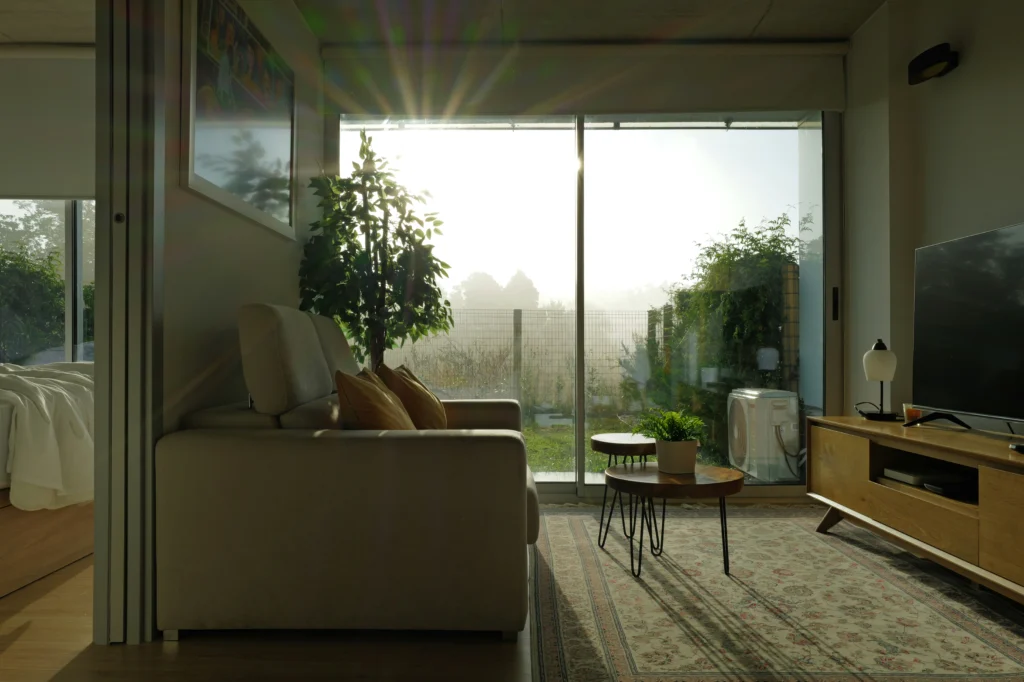
How Can You Balance Openness with Functionality?
You don’t need to pick all-open or all-closed setups. Many builders today suggest mixed styles. These blend both ideas in smart ways.
Finding that middle ground takes trial and error. But it’s worth it for a home that fits real life.
Zoned Layout Concepts
Zoning makes soft shifts. Think different ceiling heights or short walls. These mark off areas without shutting them completely. For example, a low barrier behind the couch splits living and eating zones. You still get the flow.
It’s like drawing invisible lines. One family used area rugs to zone their space. Dining here, lounging there—simple and effective.
Smart Material Choices
Sound-absorbing boards, floor coverings, and rough textures tame noise. They don’t need real walls. These add a cozy feel to big rooms. Comfort goes up too.
Rugs muffle footsteps nicely. Pair them with soft cushions, and the space warms right up. No more cold, echoey vibes.
Use of Sliding or Glass Partitions
Moving walls from foggy glass or wood strips give options. Shut them for alone time. Push them aside for togetherness.
Sliding doors are handy. Open for breakfast chats, closed for bedtime stories. Flexibility at its best.
Are There Market Trends Shifting Away from Open Concepts?
House sellers note changing tastes among buyers now. It’s not like ten years back. Some still like open for party potential. Others want clear rooms for jobs at home or visitor stays.
The market’s evolving. What sold hot in 2010 might sit longer today if it’s too open.
Post-Pandemic Buyer Behavior
After long stretches working inside during shut-downs, folks seek splits between work spots and chill areas. This flips old trends that put openness first.
Zoom fatigue was real. People craved walls to tune out distractions. Surveys show 60% of buyers now list privacy high on their list.
Regional Differences in Demand
In city flats with little room, open stays popular. It makes space seem bigger. In outer areas with more land, half-open styles are picking up speed.
New York apartments thrive on flow. But in spacious suburbs like those near Chicago, folks build nooks for offices. It matches the yard size.
Influence on Resale Value
Open once meant sure higher sale prices. But fresh data shows it’s mixed (source: National Association of Realtors 2023). Buyers check how well the setup works over just openness when deciding.
In a 2023 report, homes with flex zones sold 15% faster in some markets. Pure opens lagged if noise was an issue.
What Future Directions Could House Design Take?
The days ahead won’t drop openness totally. Instead, they’ll rethink it with better plans. These fit shifting ways of life, not just what’s trendy.
Designers are getting creative. Tech and green ideas mix in. It’s exciting to watch.
Multi-Functional Room Design
Rooms with changeable furniture switch fast. Office during the day. Spare bed at night. This handles bendiness without losing alone time fully.
Sofas that fold into beds? Genius. One couple I know uses Murphy walls for guests. Space saves big time.
Integration of Technology in Layout Planning
Smart house tools now handle light areas and heat separately in shared spots. This beats old open styles for saving power.
Apps let you dim lights in the kitchen while brightening the lounge. It’s like having zones without building them. Energy drops by 20-30% in tests.
Sustainable Building Practices
Builders mix nature touches like plants inside with partly split setups. This balances air movement and sun spread. It cuts long-term power needs naturally.
Indoor vines along half-walls? They clean air and soften looks. In eco-homes, this cuts bills and feels fresh. One project in California used it to hit zero-waste goals.
FAQ
Q1: What defines an open concept house design?
A: It means taking out inside walls between main spots like kitchen, dining room, and living room. This makes one big ongoing area. It boosts chats and sun flow.
Q2: Why are some homeowners moving away from this layout?
A: Jobs from home need private spots more. Sound issues also make full-open less handy than mixed choices today.
Q3: Can you retrofit an existing home into an open plan easily?
A: It varies by load-bearing walls. Talk to a builder first. Safety matters before touching any supports that hold up the frame.
Q4: Does an open layout increase property value?
A: Not every time now. Folks check how it works in real use. Homes with adjustable zones might do better than plain opens, based on trends (National Association of Realtors 2023).
Q5: How do you maintain coziness in an open space?
A: Add layers of soft things like mats and cloths. Pick warm light colors. Group chairs to make small “rooms” inside the big one. Keep it open but snug.