
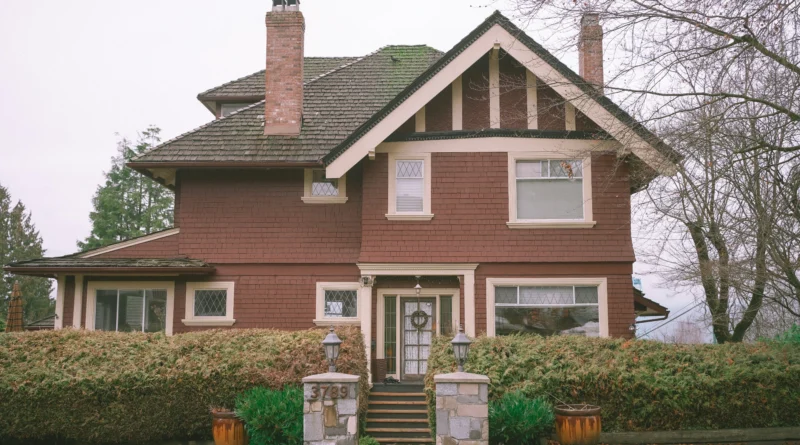
How Many Different House Styles Exist Today
The world of home building is wide and always changing. When you see houses in different countries, you notice how local culture, weather, and new tools shape the way folks build and live. From old-fashioned small homes to smooth modern looks, the choices seem without end. This piece looks at the key groups of home designs that people use now, where they come from, and what sets each one apart in shape and use.
What Defines a House Style?
A home design is more than its looks. It shows social habits, materials on hand, and local effects. You might see it as a mix of building ideas and real-life needs. Some designs come from the past. Others grow from fresh ways to build or make homes greener.
Architectural Characteristics
Building features cover roof types, window sizes, stuff used, and fancy bits. For example, Colonial homes usually have even fronts and windows spaced just right. Craftsman houses focus on handmade wood parts and open beams. These signs help sort homes into known groups. I recall walking through a neighborhood once, spotting those even windows right away—it makes spotting styles fun.
Cultural and Regional Influences
Weather has a big hand in forming building ways. In sunny spots like the Mediterranean, white stucco walls and red tile roofs keep rooms cool inside. But in cold places like Scandinavia, sharp-angled roofs push off heavy snow fast. Local ways also shape looks. Japanese homes often use sliding doors and wide-open areas. This setup helps blend with nature smoothly.
Evolution Over Time
Home designs change as people’s lives shift. The big factory boom brought cheap-made items like metal and glass. That sparked new building waves, such as Modernism. Now, current ways mix old ideas with today’s push for less energy use and smart setups. It’s interesting how something like a simple glass window can trace back to those factory days.
How Many Major House Styles Are Recognized Today?
The count changes based on how experts sort them out. But most builders and history buffs say there are about 20 to 30 main home designs known around the world right now. These go from old local types to the latest sharp builds.
Traditional Styles
Old-style homes pull a lot from past European or early settler ways. Think of Georgian, Victorian, Tudor, and Neoclassical types. Each one has clear marks. Victorian places show busy trim and uneven setups. Georgian ones stress neatness with brick outsides and even shapes. In my view, those brick walls just scream solid history—I’ve seen a few that have stood for over 200 years.
Modern Styles
Modern building started in the early 1900s. It pushed back against too much decoration. It likes plain shapes, straight lines, big open rooms, and rough materials like cement or glass. Branches include Mid-century Modern, designs from Bauhaus ideas, and simple Minimalist homes. These put use first, not frills. Take a Mid-century home—those flat roofs and big windows let in tons of light, perfect for sunny afternoons.
Contemporary Styles
Today’s homes show fresh thinking, not tied to one time. They add green tech like sun-powered panels or plant-covered roofs. They also use bendy room plans that fit busy lives. Unlike Modernism’s hard rules, these pull from many old ways freely. It’s like mixing your favorite recipes into one meal—tasty and practical.
Why Do Different Regions Favor Certain House Styles?
Local likes come from surroundings, ways of life, money matters, and stuff nearby. A dry-land home handles hot sun way different from one in wet weather.
Climate Adaptation
In warm, wet areas like parts of Southeast Asia or Central America, homes on raised posts guard against floods. They let air flow under the floors too. In chilly north spots like Canada or Scandinavia, thick padding and tiny windows hold in warmth well. Picture a snowy Canadian winter—those small windows cut the cold draft right down.
Material Availability
What’s around often picks the design. Wood rules in North American country spots because trees are everywhere. Stone wins in Mediterranean lands with lots of rock sites. Bamboo stays key in Asian builds for its strong yet light build. I’ve read about bamboo houses in Vietnam that bend in storms but don’t break—pretty smart use of what’s local.
Cultural Identity
Building ways show who people are through shapes and meanings. Moroccan riads have middle yards that stand for family closeness. Japanese townhouses called machiya balance private spots with group areas. American ranch homes catch after-war suburb dreams of wide-open spaces. It’s neat how a courtyard can feel like the heart of a home, drawing everyone together.
How Have Technology And Sustainability Changed House Design?
New tools have flipped how builders tackle tough spots. From computer drawings to earth-friendly build methods that cut down trash.
Smart Home Integration
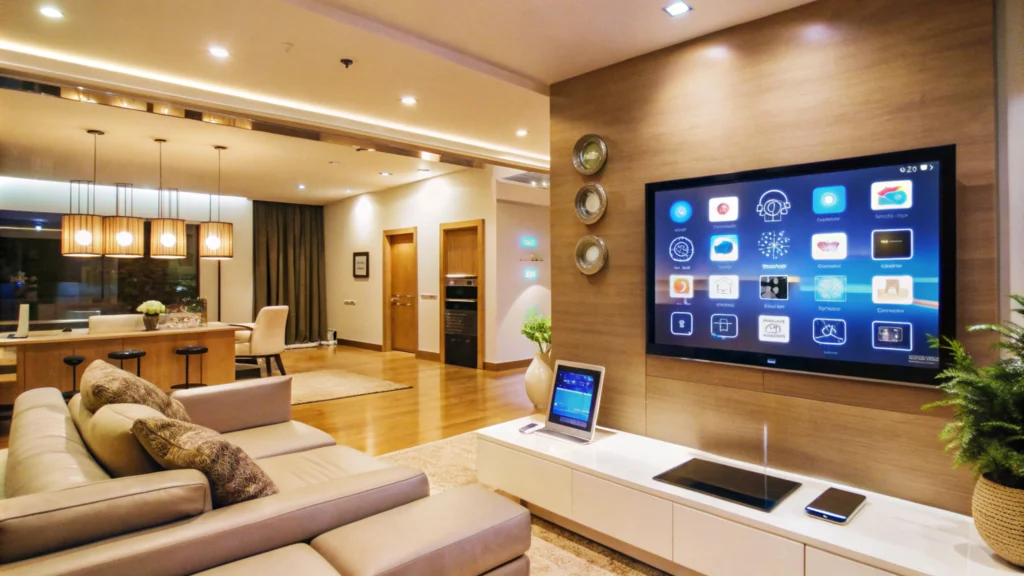
Now, homes add auto systems for light switches, heat control, safety checks, and even gadget running via phone apps. This tech boost makes living comfy. It also saves power. Imagine coming home to lights that turn on just as you walk in—small things like that make daily life easier.
Green Building Materials
Folks who care about the planet pick reused metal frames or saved wood over new stuff. Paints with low bad smells help clean air inside. Two-layer windows block heat loss much better than old single ones. In one project I heard about, switching to those windows dropped heating bills by 30%—real numbers that add up.
Energy Efficiency And Renewable Systems
Sun panels fit right into roofs these days, not looking clunky. Earth-heat systems pull steady ground warmth for all-season comfort. They skip old fuels. This trend grows in new homes everywhere. It’s becoming common; even small towns now have homes with these setups to cut costs long-term.
What Are The Most Popular House Styles In The United States?
The U.S. has so many cultures and wide lands. It shows almost every world design, tweaked for local spots.
Craftsman Bungalow
Craftsman bungalows started in the early 1900s Arts and Crafts push. They highlight handmade touches. Tapered porch posts, built-in shelves, and natural stuff like wood shakes or rock bases stand out. These homes feel warm and welcoming, like a hug from the past.
Colonial Revival
Colonial Revival took off after the 1876 big fair honored U.S. roots. Its even fronts with middle doors bring back early English spots. But inside, they add today’s easy rooms in big spaces. Many families love the classic look—it fits right into cozy neighborhoods.
Ranch Style
Ranch homes boomed after World War II. Suburbs needed cheap one-floor plans for family days. Their long flat shapes mix inside and outside living. Sliding doors lead to patios or yards. On a hot summer day, opening those doors turns the house into an outdoor extension—super handy for barbecues.
What Emerging Trends Are Shaping Future House Styles?
World home ways now stress flexibility. Homes should handle weather shifts or life changes without losing nice looks.
Modular And Prefabricated Homes
Pre-made parts speed up building. They cut waste by putting pieces together away from the site. Then, they set them up on the land. These blocks grow easy as families change. It’s like Legos for houses—add a room when you need it, no big hassle.
Tiny Houses And Minimal Living
Cost worries and green thinking drive tiny homes under 400 square feet. They push less stuff and easy moves on trailer bases. This stays a small but rising choice, especially for young folks. One tiny house owner shared how it freed them from big bills—frees up time for travel instead.
Biophilic Design Concepts
Builders now weave plants into the build. Wall gardens clean city air. Inside yards let sun reach far rooms. Natural feels like rock or bamboo help minds stay calm in busy spots. It’s a way to bring the outside in, making homes feel alive and fresh.
FAQ
Q1: What Is The Difference Between Modern And Contemporary House Styles?
A: Modern points to an old push for plain looks in the early 1900s. Contemporary covers today’s building ways. It mixes many ideas, including green tech.
Q2: Which House Style Is Most Energy Efficient?
A: Passive houses top the list. They use tight seals and air systems that grab back heat. This keeps fresh air going all year.
Q3: How Many Different House Styles Exist Worldwide?
A: Experts spot 20–30 main types around the globe. But with local twists, sub-types go over a hundred (source: Architectural Digest 2023). It’s wild how many variations pop up in just one country sometimes.
Q4: Why Do Some Homeowners Choose Traditional Designs Over Modern Ones?
A: Lots pick old looks for their homey feel and fine work. They also fit better in areas with rules to keep history safe.
Q5: Are Sustainable Homes More Expensive To Build?
A: Upfront prices can run higher for special stuff or setups. But power savings pay back in a few years, per U.S. Department of Energy data (2022). Plus, it feels good knowing you’re helping the planet a bit.