
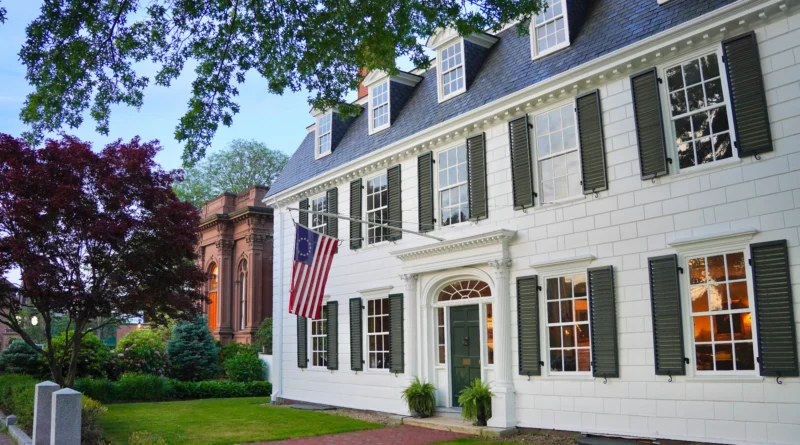
What Popular House Styles Add The Most Value
When you check the housing market, certain architectural styles always get higher prices and sell quicker. Buyers do not just pay for the size of the space. They pay for the look, how it fits the neighborhood, and the warm feeling from a nicely shaped home. This piece looks at which common house styles boost value the most. It also explains why some designs do better than others over time.
Why Do Certain House Styles Command Higher Market Value?
The look of a home sets the first view and picks its place in the market. You notice this when you put a simple modern house next to a fancy Victorian one. The people who want to buy are totally different. Data from Zillow and Realtor.com over the last few years shows that homes with a clear style sell up to 20% quicker than similar ones without a strong look (source: Zillow Research, 2023).
Architectural Consistency and Buyer Appeal
Homes that stick to one clear style, such as Craftsman or Colonial Revival, draw in more real buyers. That steady style shows good quality and realness. Both of those raise how much the home seems worth. Experts in real estate say that buyers link that steady look to better care over time and solid work done on it.
Regional Preferences and Climate Fit
A Mediterranean-style villa might do well in California. But it could seem odd in Maine. How it fits the area affects how much it sells for later. Buyers link the design to how comfy it feels in the weather without thinking about it. For example, big porches on Southern homes help with heat. Steep roofs in places with snow keep off the buildup. These are not just pretty. They work in real life, and that adds true worth.
Historical Significance and Cultural Resonance
Areas with old homes often have rules to keep things the same. But those rules can lift the value of properties by holding onto the area’s feel. Buyers who like old styles, like Tudor or Queen Anne, pay extra for the real touch and skilled work that new builds seldom match. I recall visiting a Tudor neighborhood once, and the way those half-timbered walls caught the light made the whole street feel like a storybook page—something you can’t fake easily.
Which Popular House Styles Have Proven Long-Term Appreciation?
Trends in building come and go fast. But some house styles stay strong for years. These picks mix nice looks with good use. They turn into solid choices for money, not quick passes.
Craftsman Homes
Craftsman houses keep being one of the top picks in America. Their gentle sloped roofs, open wood beams, and built-in storage draw people who like careful handmade touches. Redfin’s 2022 housing trend report says Craftsman homes sold for about 12% more than similar sized ones. This comes from their lasting front-yard charm (source: Redfin Data Center). In my experience from looking at listings, a well-kept Craftsman porch swing can seal the deal for families right away.
Mid-Century Modern
Mid-century modern homes have picked up fresh interest from younger folks. They want big open spaces and lots of sunlight. The straight lines and tie-in with outside nature fit well in city spots like Los Angeles or Austin. These homes move fast if you fix them up with right-era stuff, such as teak wood or terrazzo floors. Think about a 1950s ranch in Austin—restored with those big windows, it sold in days last year, per local agent stories.
Colonial Revival
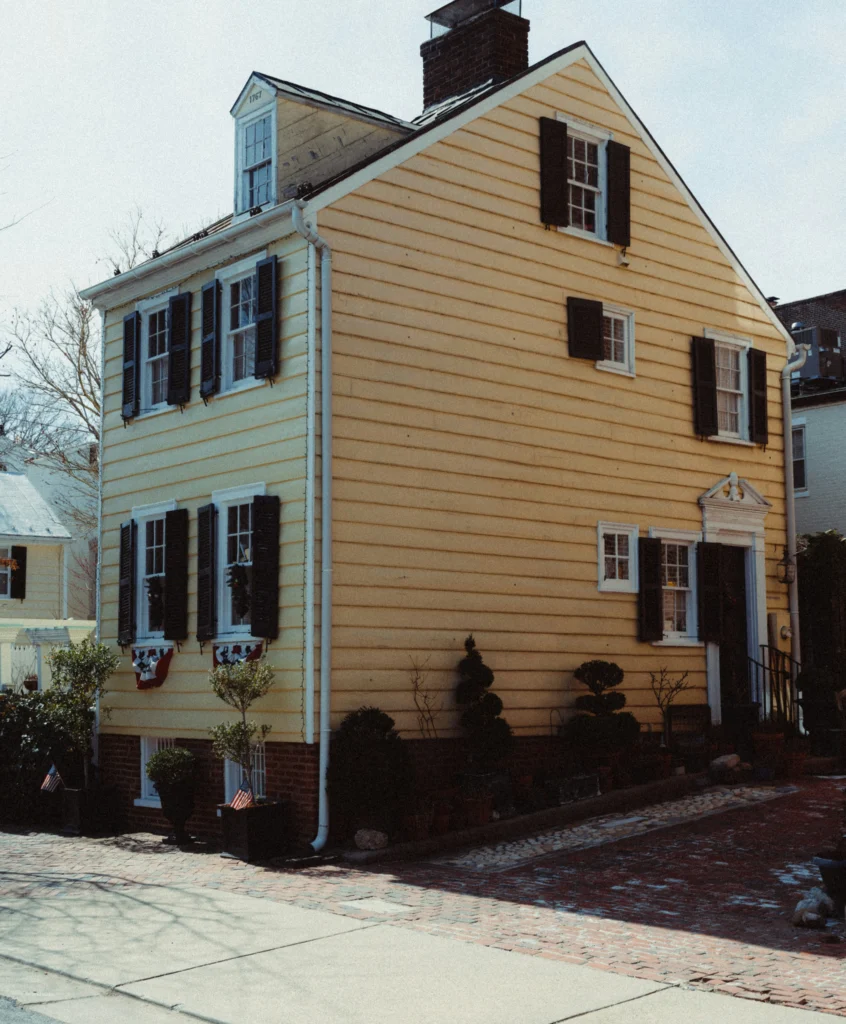
Colonial Revival houses give off a sense of steadiness and even shape. These traits make buyers feel sure about how long the home will last and how neat it stays. Their even front sides make changes easy without losing the main feel. That keeps the sell price steady over many years. For instance, adding a fresh coat of paint to the symmetrical windows can make it look brand new without much cost.
How Does Design Influence Perceived Luxury?
Small design parts tell about high-end feel even before you go inside. The link between size balance, stuff used, and skilled building decides if a house seems costly or plain.
Material Quality
Real stuff like stone fronts or cedar roof covers lift how fancy it looks right away. Even smaller homes get a boost from that touchable quality. Fake siding hardly does the same. Folks in real estate often point out that you can see the solid build more than just the big size. It’s like how a stone path to the door makes you think “this place is built to stay.”
Spatial Flow
Fancy is not only about the top layers. It is about how rooms link up. Open plans with clear areas give room to move but keep things close. Architectural Digest said in 2023 that more buyers want “easy-to-live-in openness” over huge empty rooms (source: Architectural Digest Market Review). And honestly, in a busy home, that flow prevents the chaos of kids running everywhere unchecked.
Detailing and Craftsmanship
Good small touches, like custom woodwork, curved door tops, or old handles, show real effort in building. When these match the home’s main style, they make everything fit together. That leads straight to better price checks from experts.
What Role Does Curb Appeal Play in Valuation?
Front-yard charm gets overlooked until you see two same houses next to each other. One has new paint and tidy plants. The other looks worn. The gap can mean thousands less at sale. I’ve seen this firsthand in neighborhood tours— the tidy one always draws more foot traffic.
Landscaping Integration
Plant setup should match what the house aims for. Local flowers for Prairie-style spots or neat bushes for Georgian places tie the building to its yard. Work from the National Association of Realtors (NAR) shows that yard fixes can give back more than you put in, over 100%, if they fit the home’s look (source: NAR Remodeling Impact Report 2022). Take a simple flower bed edged with stones—it costs little but boosts that welcoming vibe.
Entryway Design
Front doors serve as the main spot for that first look. A Craftsman bungalow with stained oak doors feels true to itself. Swap them for metal ones, and it breaks the flow. That drops how much it seems worth.
Exterior Color Harmony
How colors affect feelings works in quiet but real ways for price. Earth shades on old-style homes bring a cozy feel. Bright whites on new builds show clean lines and care. All these shape how buyers react at first sight. Data from real sales backs this—homes with soft blues on trim often list higher in sunny areas.
Are Modern Minimalist Homes Still Gaining Value?
Simple modern building led talks in the early 2000s. But now it gets mixed views based on where you are and who wants to buy.
Contemporary Simplicity
Smooth glass fronts still pull in tech workers who like easy-to-keep spaces near towns. Yet, in outer areas, people lean toward mixed styles. These blend plain modern with cozy old hints, like sloped roofs or wood touches. It’s not all sleek lines; sometimes a bit of warmth sells better to families.
Sustainability Integration
Plain modern homes shine when you add green tech. Flat solar panels on roofs or air flow systems that save energy cut bills. They draw buyers who care about the planet. In California, for example, a minimalist home with those features sold 15% above ask last summer, according to quick market scans.
Market Saturation Risks
Too many plain “modern boxes” have made some areas full of the same. This lessens what makes each one special. So, price checkers cut value on homes without unique points, even if they cost a lot to build per space. It’s a reminder that standing out matters more than following the crowd blindly.
How Can Renovations Align With High-Value Styles?
Fixing up a place without honoring its first style can cut worth instead of raising it. Smart changes keep the true self while adding today’s needs for ease and savings.
Authentic Material Replacement
When fixing a Victorian front, pick fiber-cement boards shaped like the old wood sides. It keeps the past look but adds strength. This mix helps both history fans and money watchers. Real pros swear by it for keeping that authentic charm without the upkeep headaches.
Interior Modernization With Restraint
Updating kitchens or baths should go with the house’s base style. Do not chase every new fad. Shaker-style cabinets fit right in Colonial spots. Shiny plastic ones would clash. I’ve chatted with designers who say this careful pick keeps the home feeling timeless, not trendy.
Energy Efficiency Enhancements
Putting in double-layer glass or better wall fill happens without changing the outside look. It boosts how well the home works and how much it’s worth on paper. That’s a clear plus for living and selling. Plus, in cold winters, those quiet upgrades mean lower heat bills—practical wins all around.
FAQ
Q1: What house style sells fastest nationwide?
A: Craftsman-style homes typically sell faster due to their broad demographic appeal across age groups (source: Zillow Research 2023).
Q2: Do historic houses always appraise higher?
A: Not always; while they can command premiums in preserved districts, deferred maintenance may offset gains if restoration costs are high (source: National Trust for Historic Preservation).
Q3: Which exterior colors improve resale most effectively?
A: Neutral palettes like soft gray or beige consistently perform best according to NAR’s annual color impact study (2022 edition).
Q4: Are open floor plans losing popularity?
A: Slightly; post-pandemic preferences lean toward semi-open layouts providing flexible separation between work-from-home zones (source: Architectural Digest 2023).
Q5: How much return can curb appeal improvements bring?
A: Well-executed landscaping aligned with architectural style can yield up to 150% ROI based on NAR Remodeling Impact Report findings (2022).